
Erth是一个位于Qasr Al Hosn的阿联酋美食的沉浸式餐饮体验。它向古老的阿联酋烹饪和文化习俗的谦逊和慷慨表示敬意。阿联酋人的烹饪过程在影响空间的设计方向方面发挥了重要作用,因为它帮助重新解释了传统的餐厅类型,使其适应阿联酋人烹饪的动态性质。
Erth is an immersive dining experience of Emirati Cuisine located in Qasr Al Hosn. It pays homage to the humility and generosity of old Emirati culinary and cultural practices. Emirati cooking processes played a significant role in influencing the design direction of the space as it helped reinterpret the conventional restaurant typology into one that accommodates for the dynamic nature of Emirati cooking.
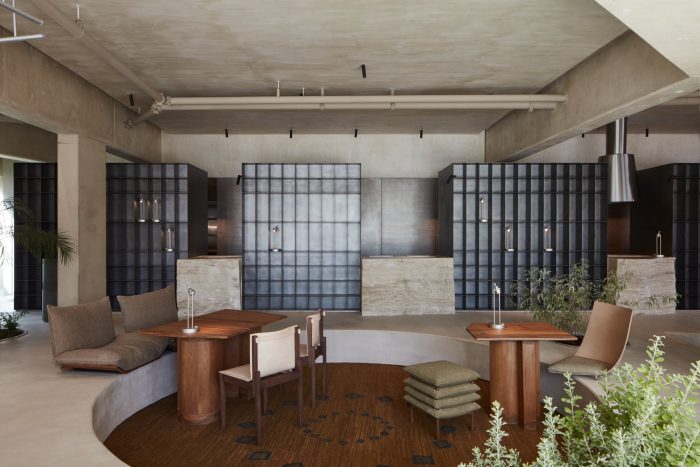
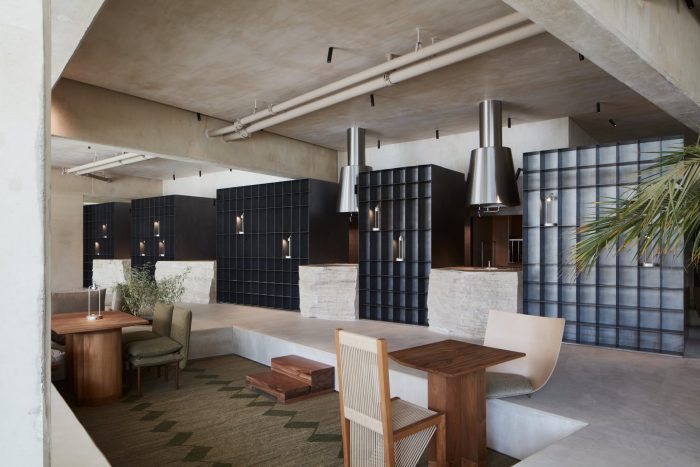
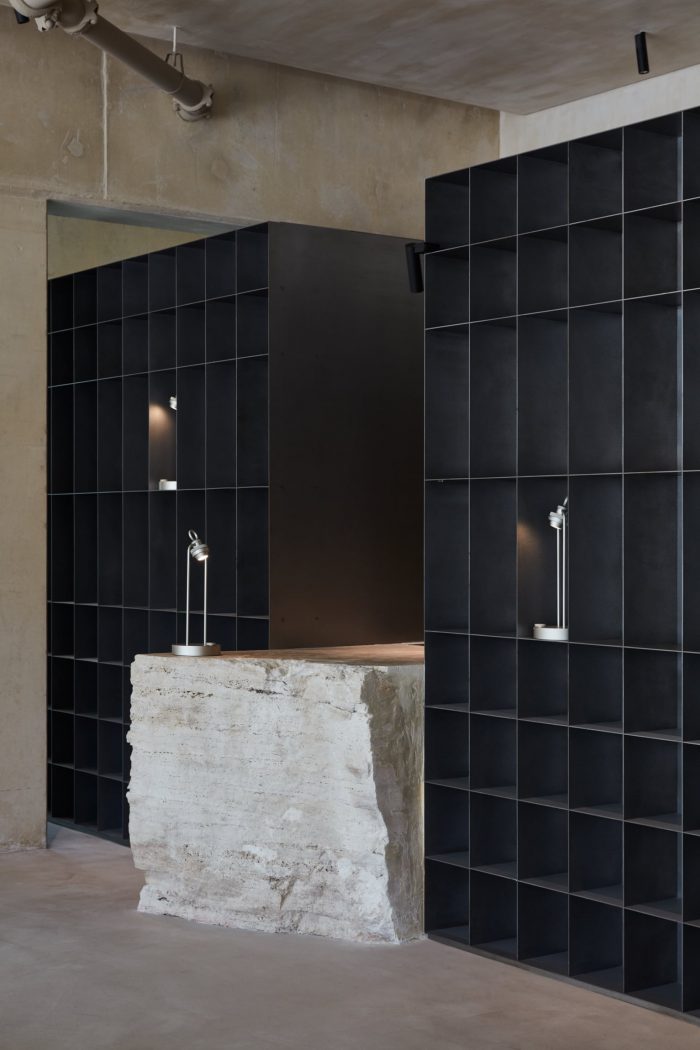
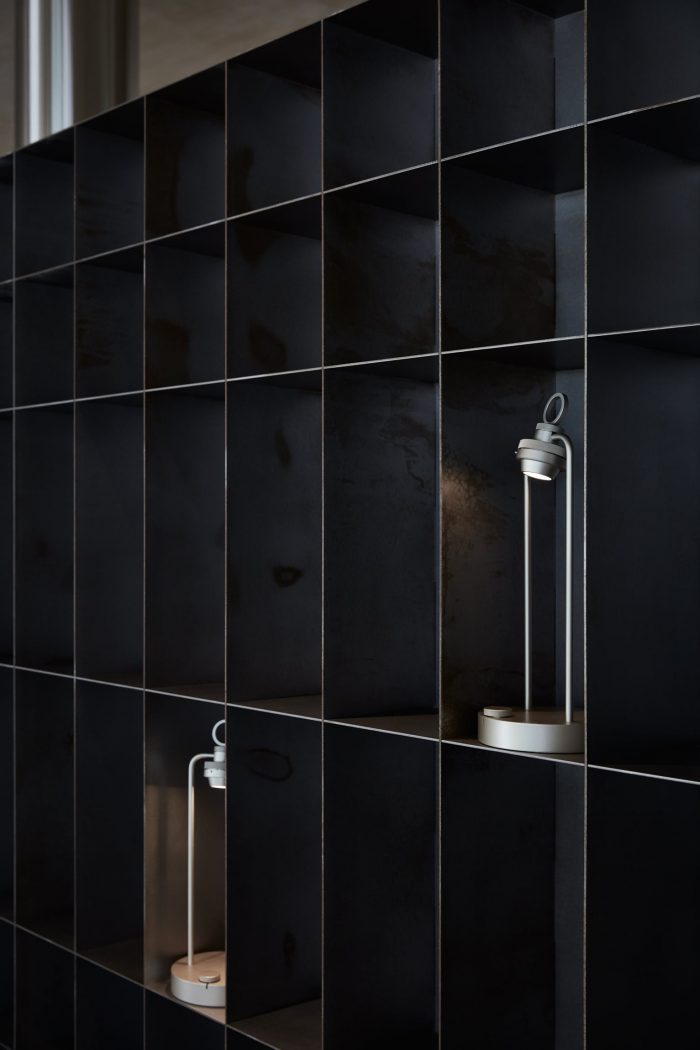
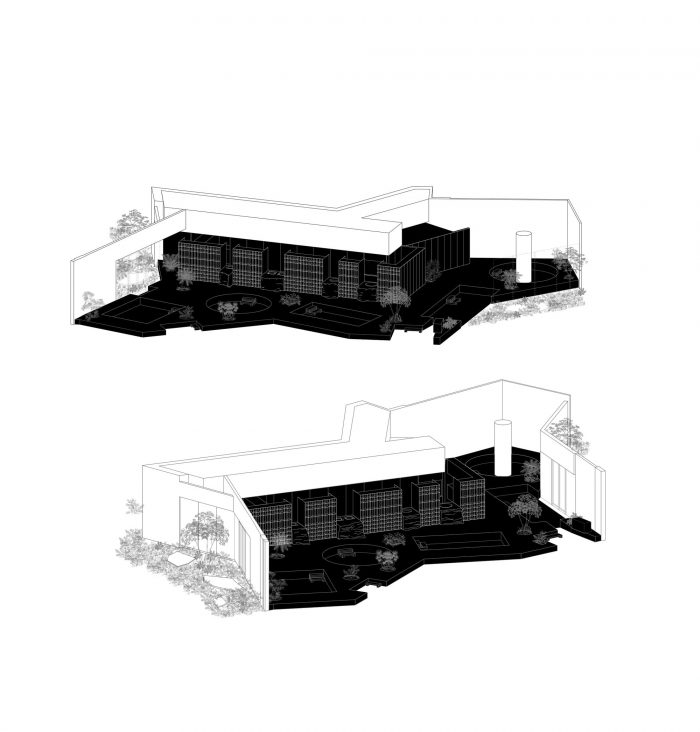
我们的方法是创造一个空间,庆祝烹饪作为一种表演,以及餐厅对传统阿联酋烹饪的折衷方案。厨房作为一个体积被引入到空间中,其口袋揭示了厨房的运作,并框定了食物准备的时刻,如烘烤tanoor面包、烹饪rgag面包,以及准备传统的阿联酋咖啡。更重要的是,该卷以基本香料和配料的展览为特色,因此突出了构成餐厅菜单的元素。
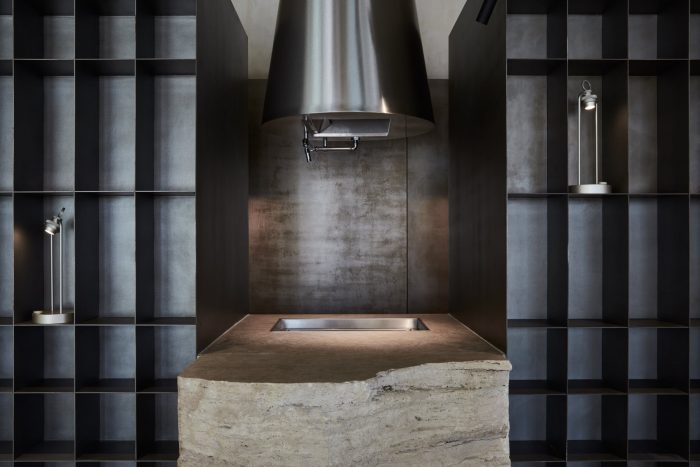
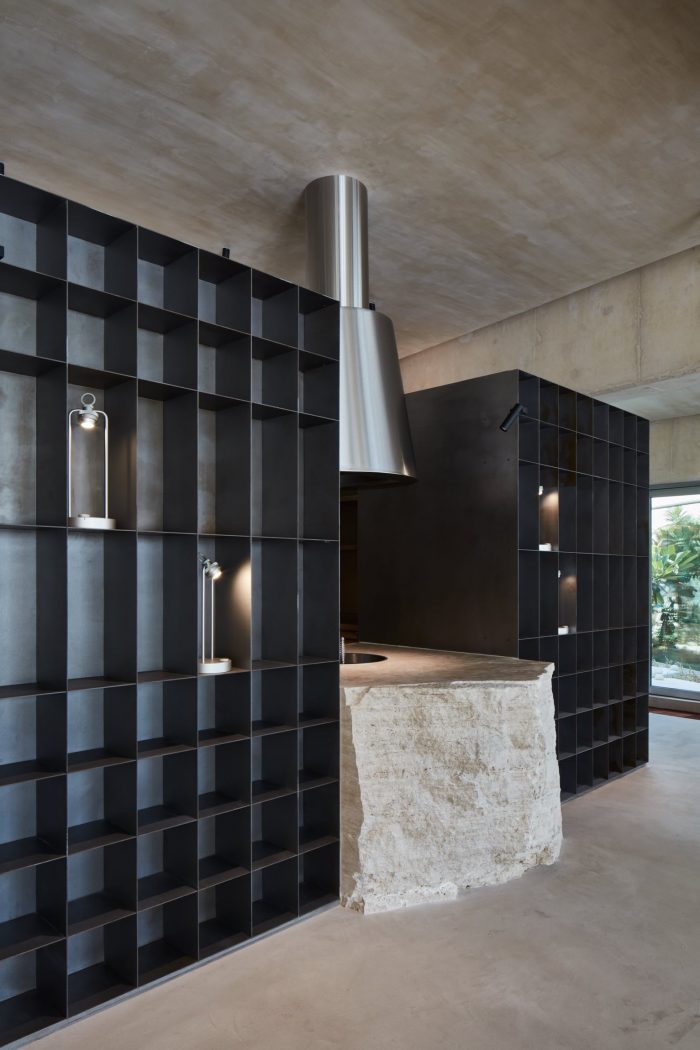
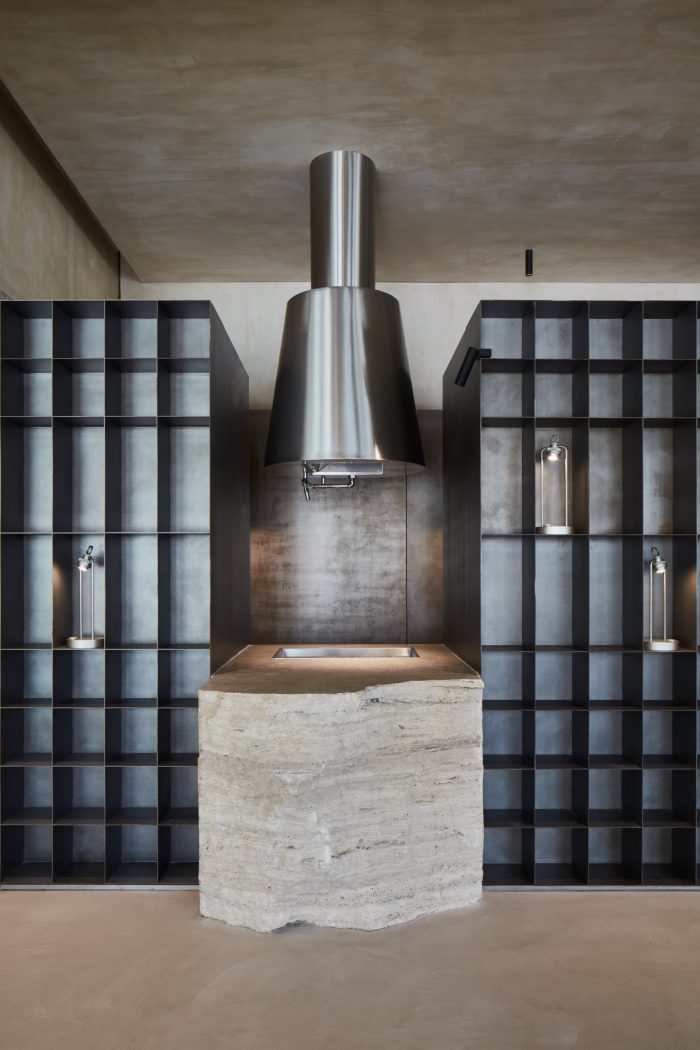
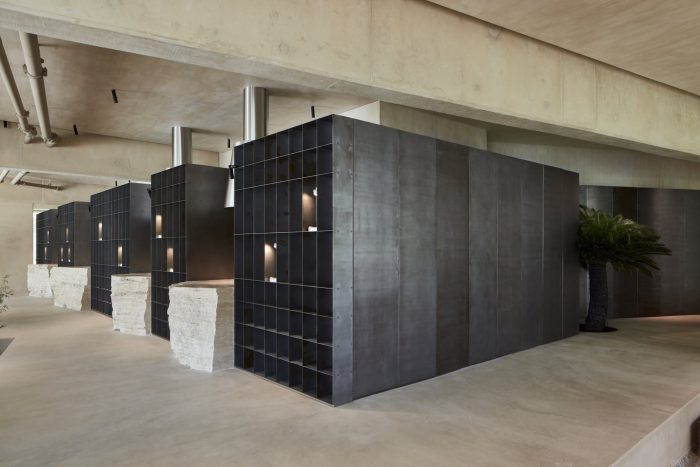
The approach was to create a space that celebrates cooking as a performance and the restaurant's eclectic take on traditional Emirati cooking. The kitchen is introduced into the space as a volume with pockets revealing the workings of the kitchen and framing moments of food preparation such as the baking of tanoor bread, the cooking of rgag bread, and the preparation of traditional Emirati coffee. More importantly, the volume features an exhibit of essential spices and ingredients, hence foregrounding elements that make up the restaurants’ menu.
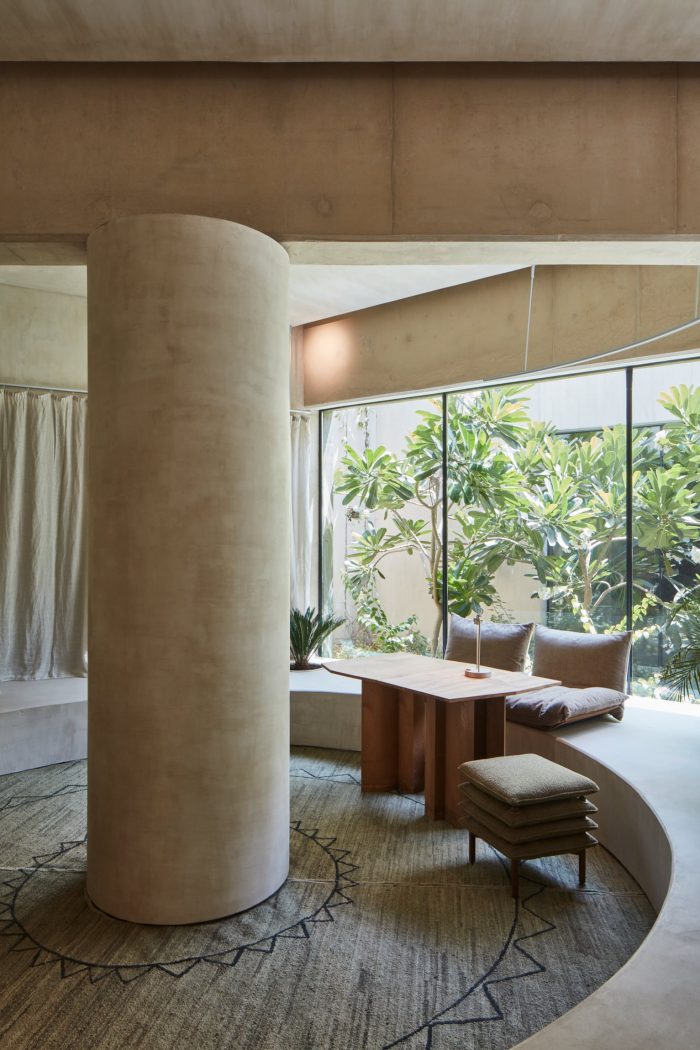
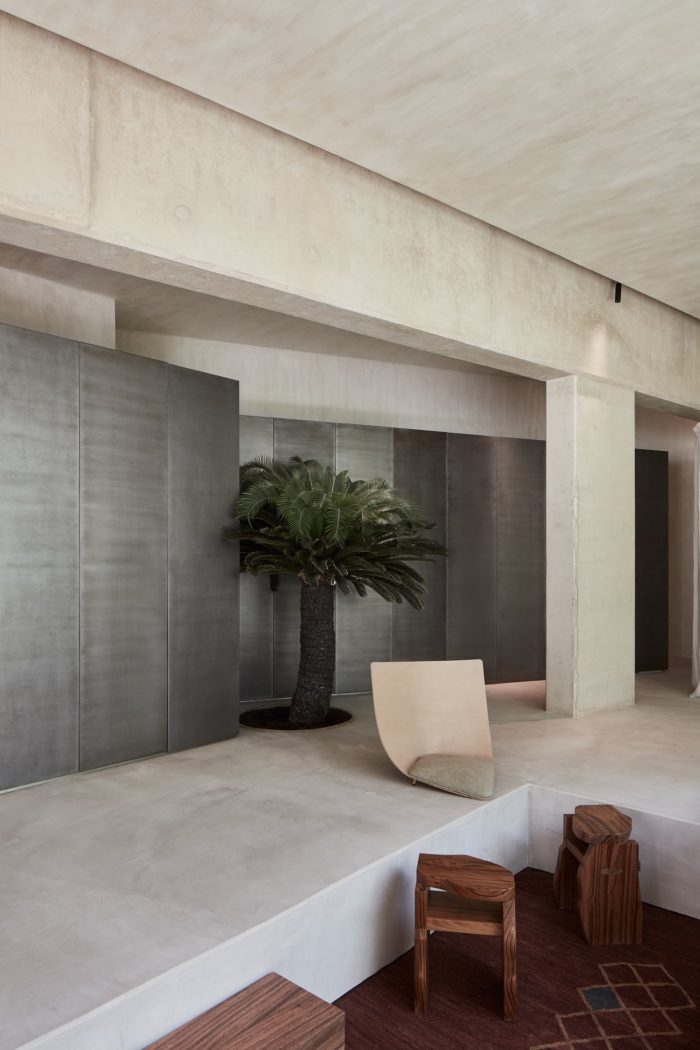
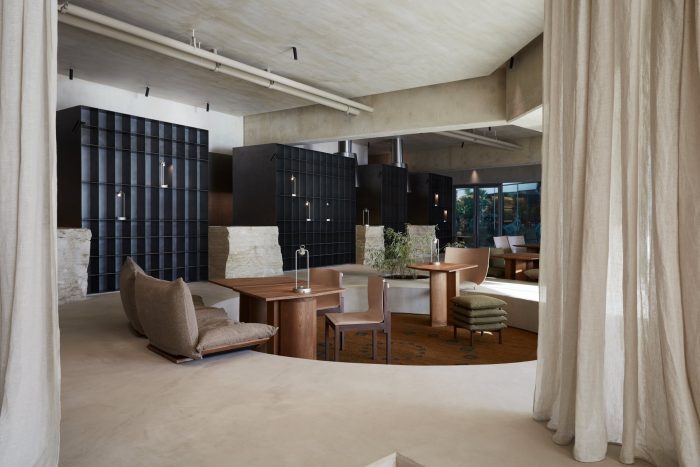
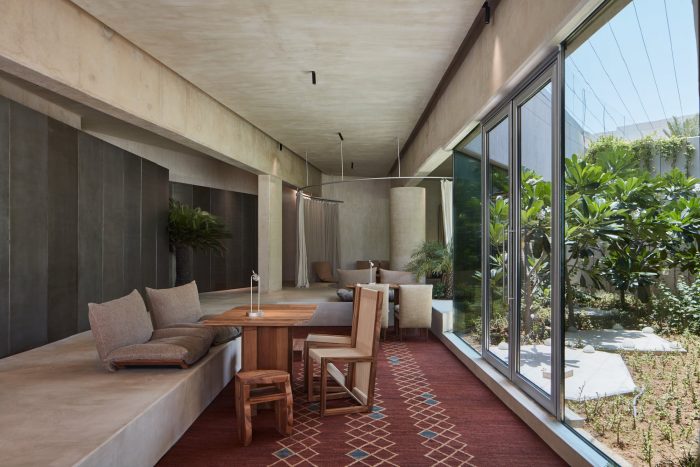
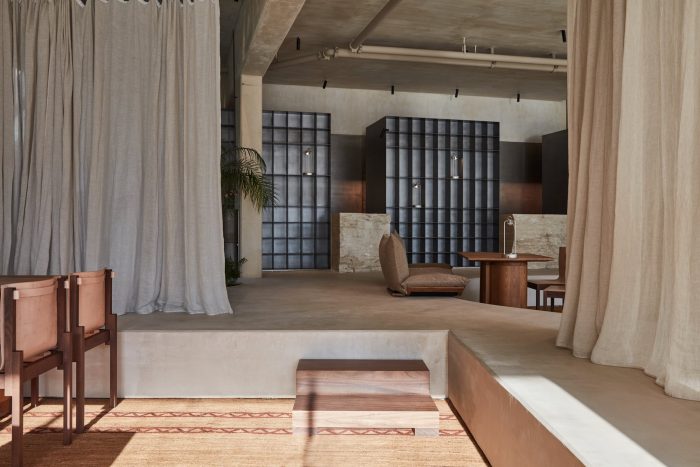
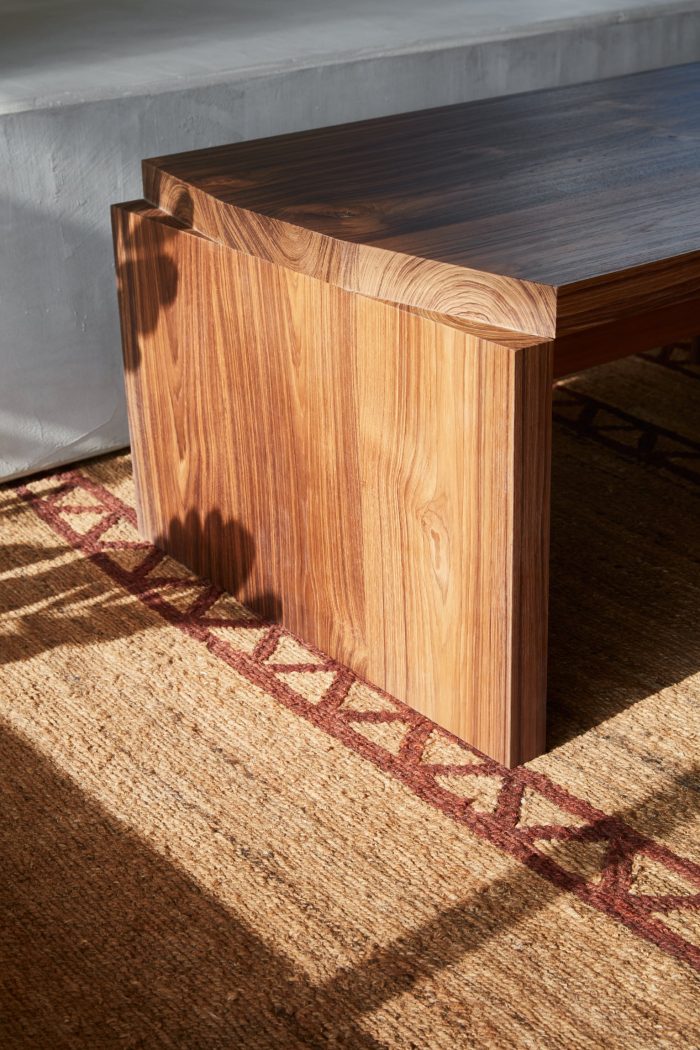
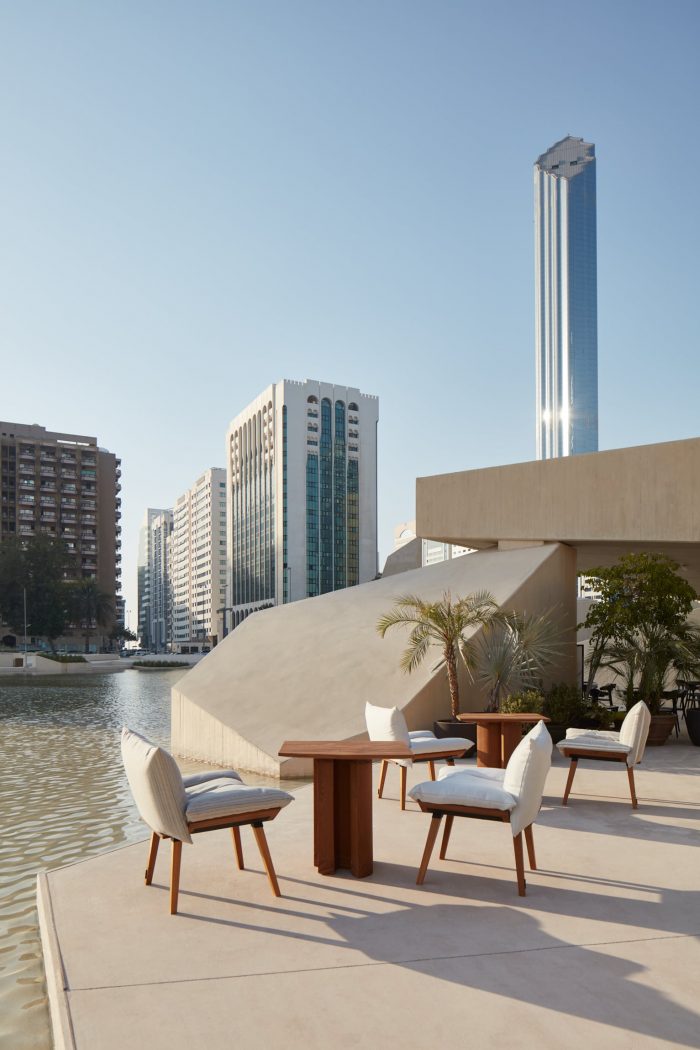
用餐区的意图是重新审视传统的马吉利斯座位,并在一个高处的用餐环境中重新介绍它。在高架地板上开辟出的空间包含了座位区,创造出一种让人联想到古老的马吉利斯座位类型的体验。座位策略也是Aljoud Lootah、Khalid Shafar、Zuleya、Toru和Bahraini Danish与Bone合作设计空间家具的一个令人兴奋的提示。来自这些地区设计师的作品具有俏皮的特点,与场地的尖锐和线性性质形成对比。不拘一格的选择通过使用木材、编织品和皮革增强了空间的特征。
The intention behind the dining area was to revisit the traditional majlis seating and reintroduce it in an elevated dining context. Spaces are carved out of a raised floor to contain seating areas, creating an experience reminiscent of the old majlis seating typology. The seating strategy was also an exciting prompt that Aljoud Lootah, Khalid Shafar, Zuleya, Toru and Bahraini Danish have collaborated with Bone on to design the furnishing of the space. Pieces from these regional designers feature a playfulness that contrasts the sharp and linear nature of the site. The eclectic selection enhanced the character of the space by use of timbers, woven fabrics and leathers.
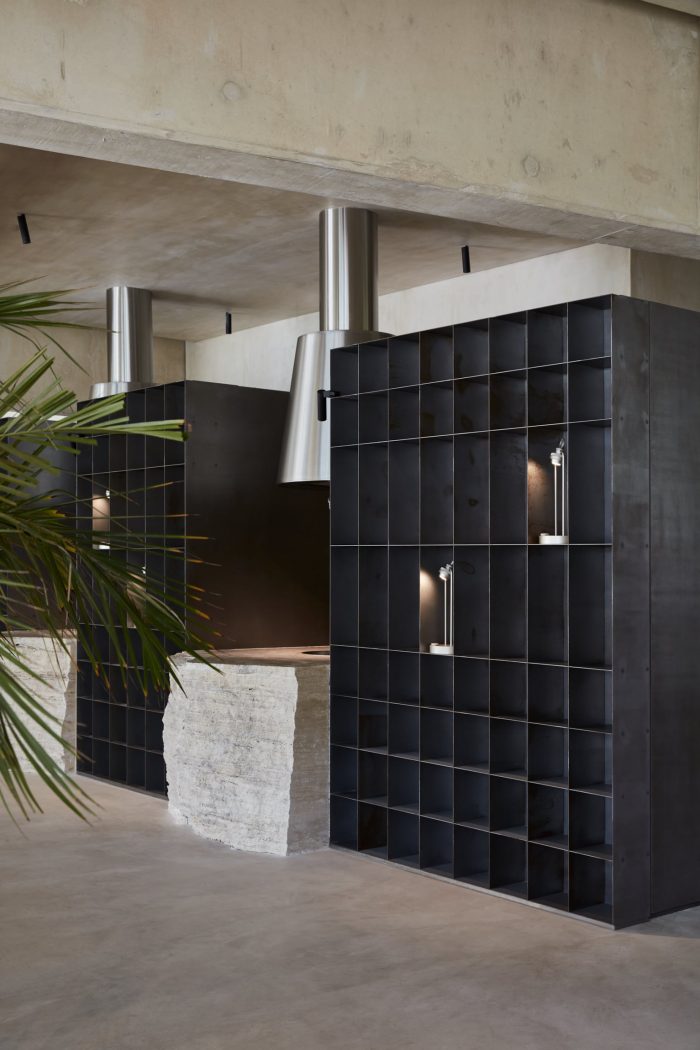
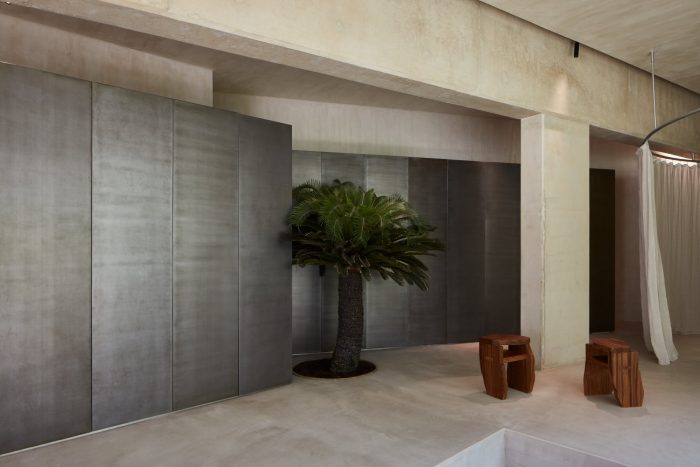
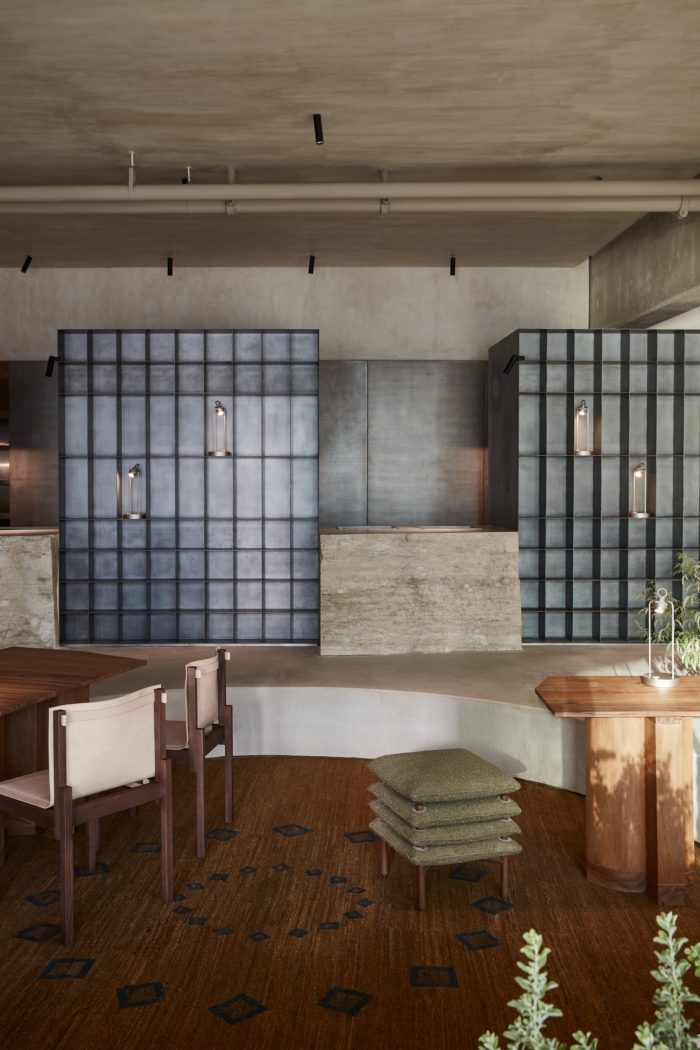
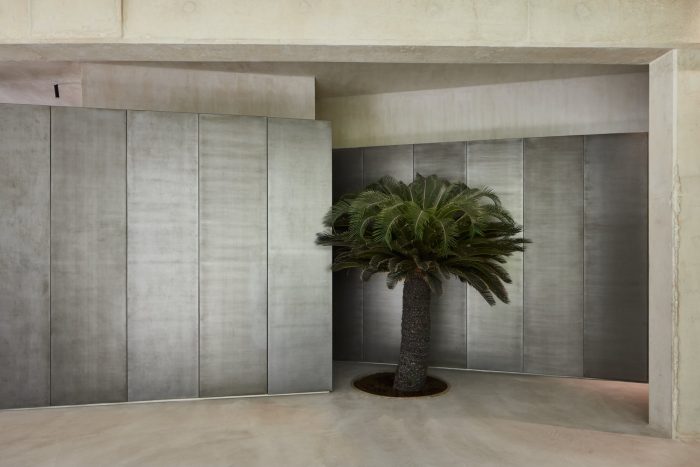
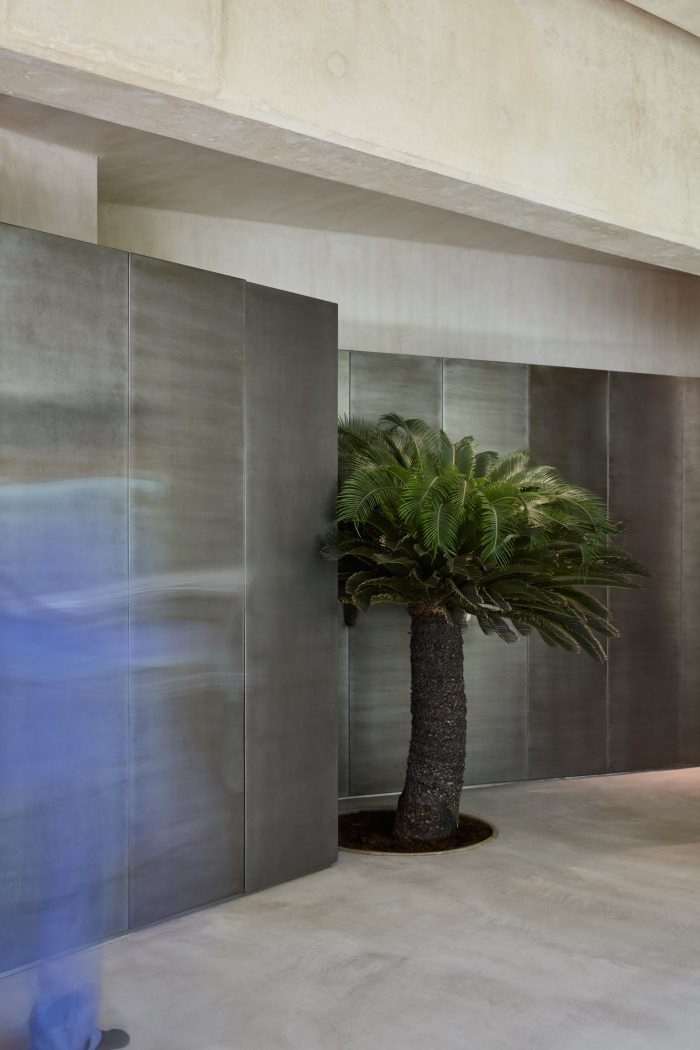
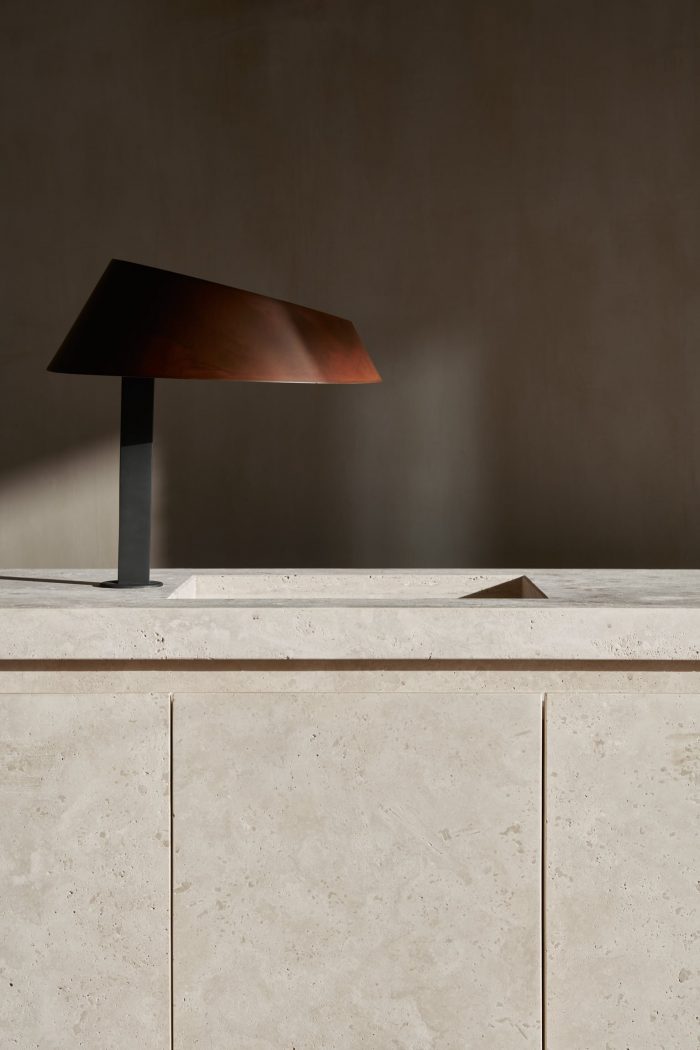
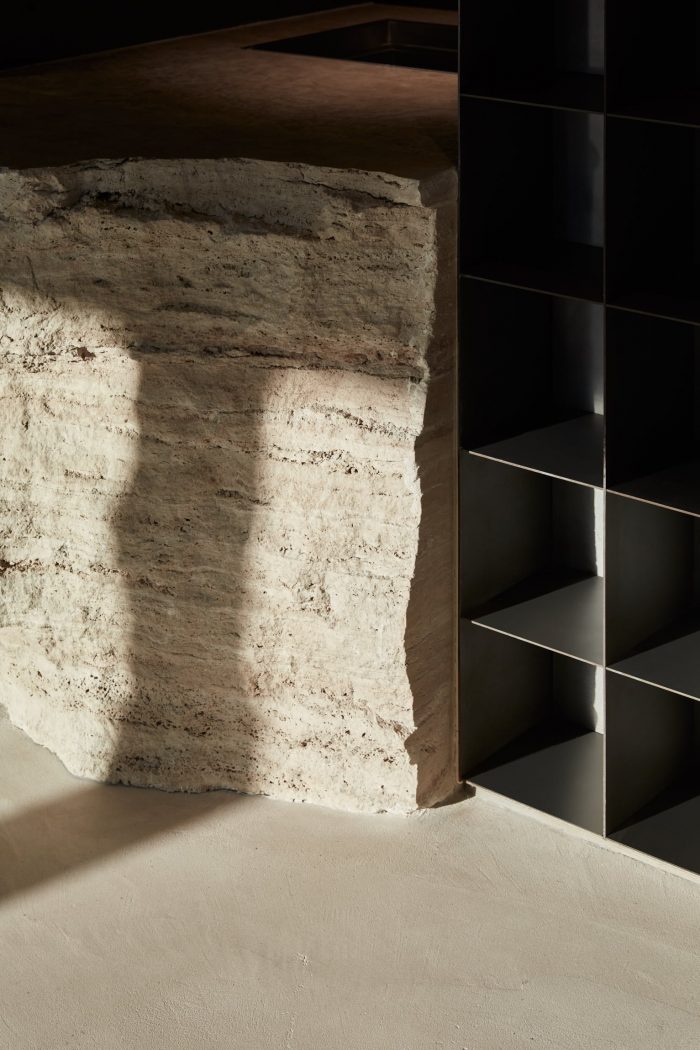
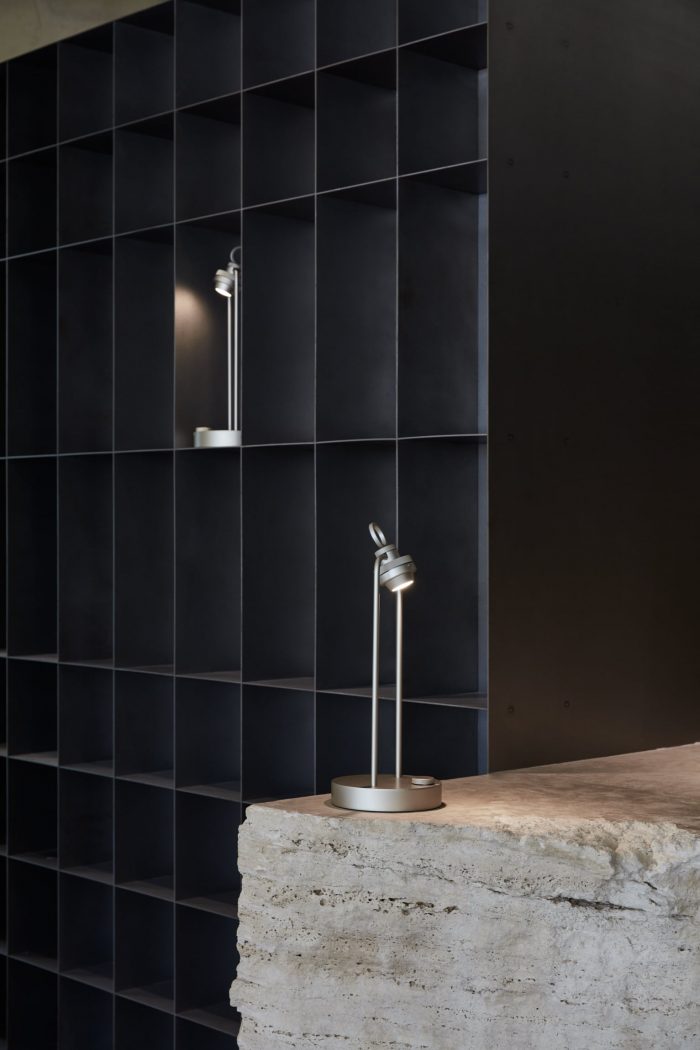
考虑到将空间与阿联酋文化的起源联系起来的方法,材料的选择是为了庆祝自然和原始。通过在室内保持场地原有的混凝土骨架,材料干预保持最小。抬高的地板被处理成加厚的板块,用天然粘土完成,并从中雕刻出了座位空间。厨房的体积是用酸洗的钢和天然切割的石灰华制成的;进一步加强了构成空间的原始方法。柔软的元素,如织物和植物,被用来通过创造封闭的区域来增强空间的亲密性。为了庆祝这些元素在一起工作,我们精心策划了照明,以协调短暂的时刻,让用户在整个白天和晚上都能体验到设计的精妙。
Given the approach to tie the space back to the origins of Emirati culture, the choice of materials celebrates the natural and the raw. The material intervention remained minimal by maintaining the site’s original concrete skeleton in the interior. The raised floor was treated as a thickened slab finished with natural clay from which seating spaces were carved out of. The kitchen volume was made with acid-washed steel and natural cut travertine; further enhancing the raw approach to composing the space. Softer elements such as fabric and plants were utilized to augment the intimacy of the space by creating areas of enclosure. In order to celebrate these elements working together, lighting was carefully curated to orchestrate ephemeral moments that allow the users to experience the subtlety of the design throughout the daytime and evening.
Architects: BONE
Area : 275 m²
Year : 2022
Photographs :Oculis Project
Manufacturers : PSLab, Viabizzuno, Bahraini Danish, Matteo Brioni, Toru, Zuleya
City:ABU DHABI
Country:UNITED ARAB EMIRATES