
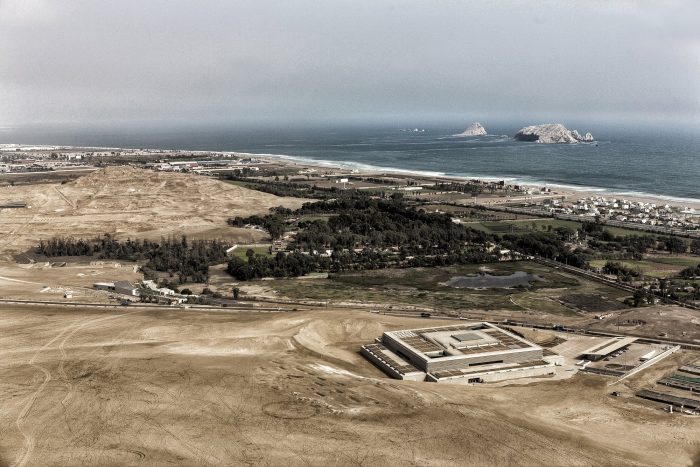
背景。Muna位于Lurin山谷的Pachacamac考古圣地的非物质区域的西部,这个领土记录了3000年的占领,通过其建筑显示了一个漫长的历史转变过程,在一千年前,成为主要的朝圣中心,通过印加公路系统连接到安第斯山脉。
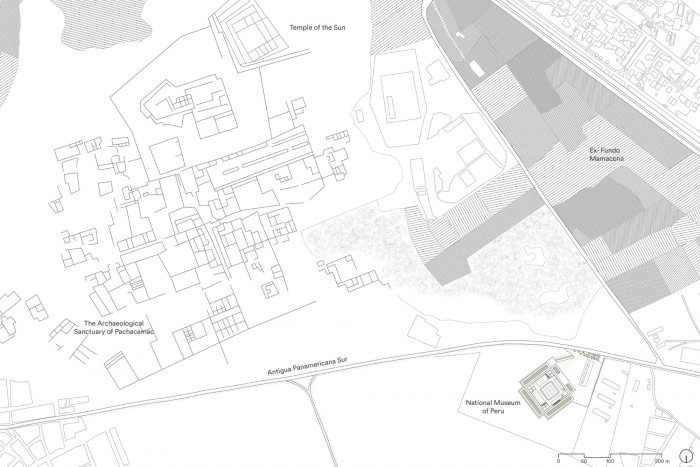
Context. Muna is located to the west of the intangible area of the Archaeological Sanctuary of Pachacamac situated in the Lurin Valley, a territory that registers 3000 years of occupation that shows through its architecture a lengthy historical process of transformation becoming, a thousand years ago, the primarily pilgrimage center connected to the Andes by the Inca road system.
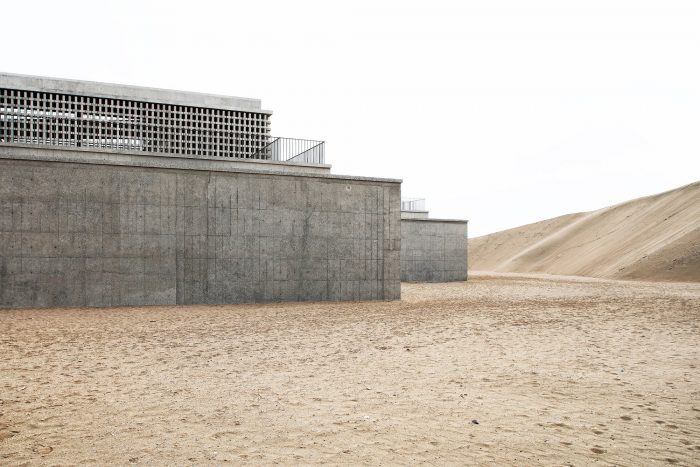
今天,这个神谕的考古预存与利马南部城市化的社会结构共存,创造了一个新的现代景观。文化部作为公共政策推动了一个全国性的建筑竞赛,以开发主要的新空间,用于保护、修复、研究,并与区域文化机构协调,展示我们的考古遗产。
Today the archaeological pre-existences of this oracle coexist with the social fabric of the urbanizations of Lima South creating a new contemporary landscape. The Ministry of Culture promoted -as public policy-a national architectural competition to develop major new spaces for conservation, restoration, research, and exposure of our archaeological patrimony in coordination with cultural regional institutions.
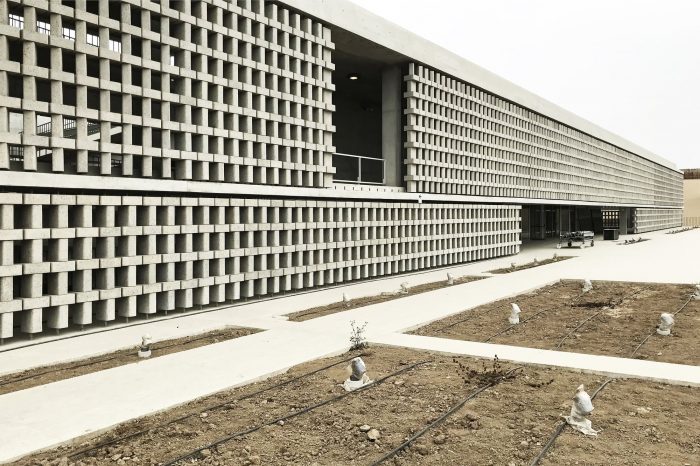
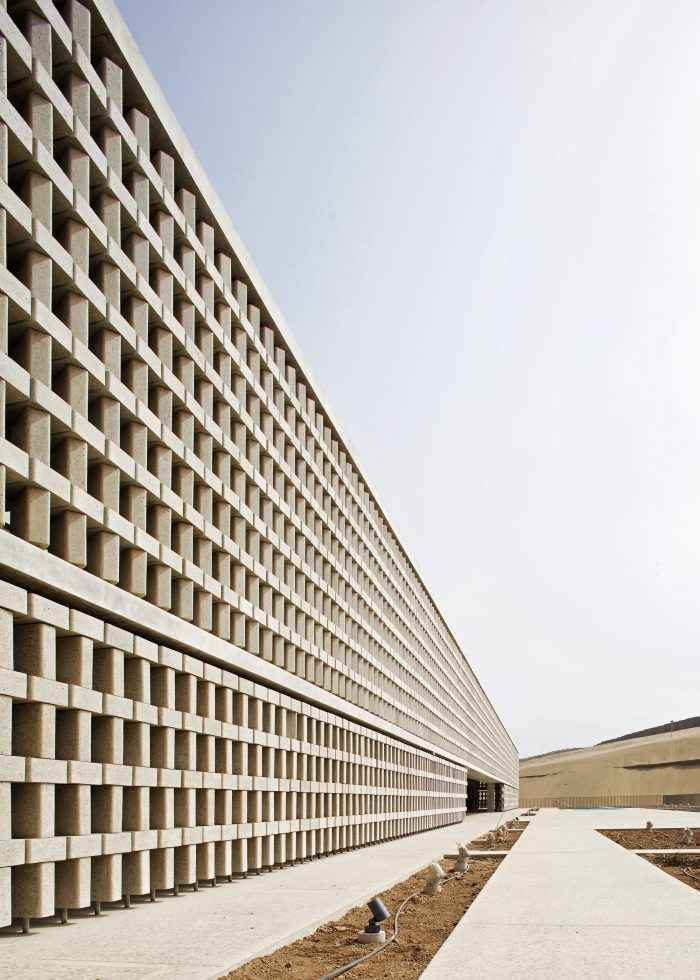
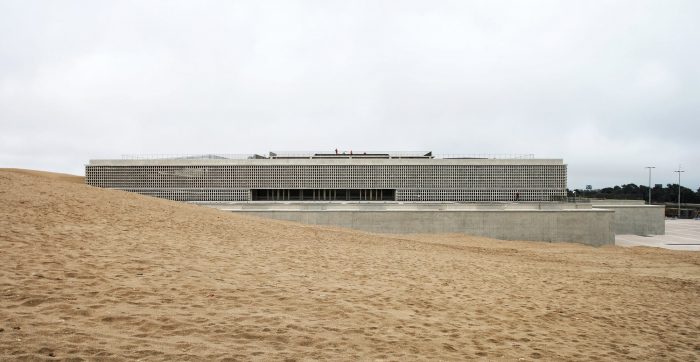
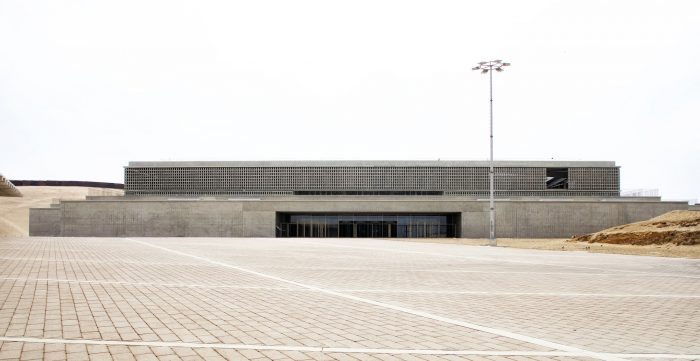
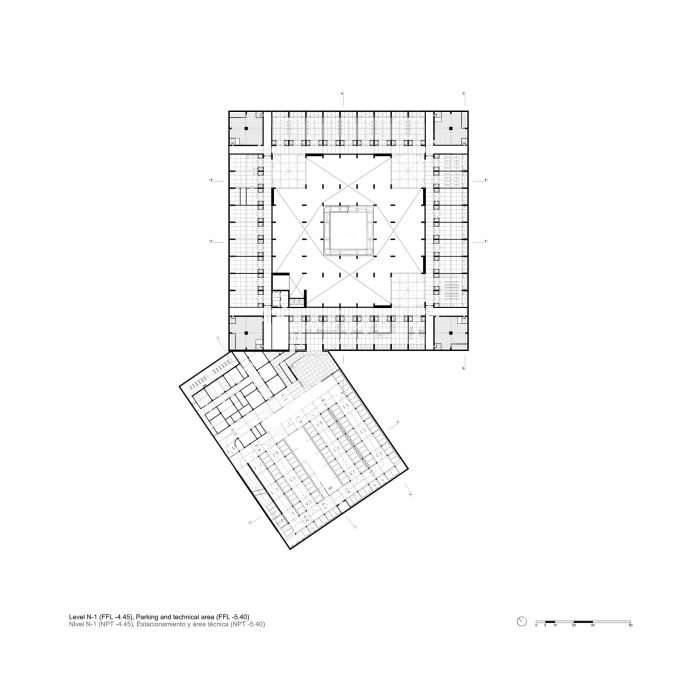
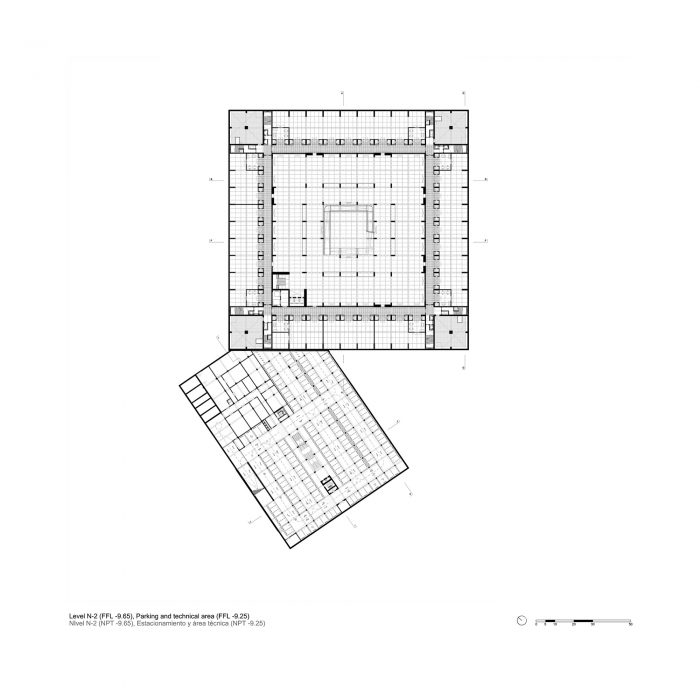
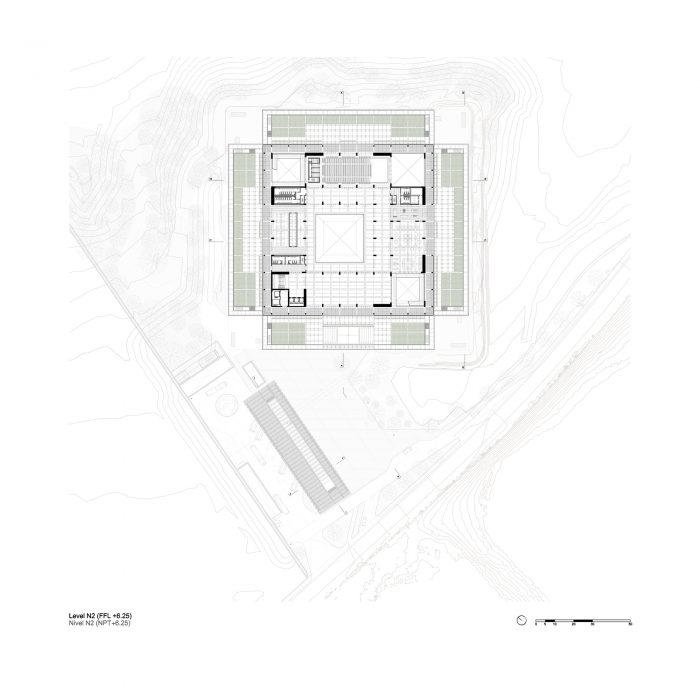
穆纳被设想为一个新的安第斯 "坎查",一个整合了古代和当代景观的基础设施;博物馆刻画了一个灵活的126米乘126米的四角形,有一个大的内部空隙--在这个特定的沙漠景观的现有干旱的空地上的一个清晰和紧凑的体积。
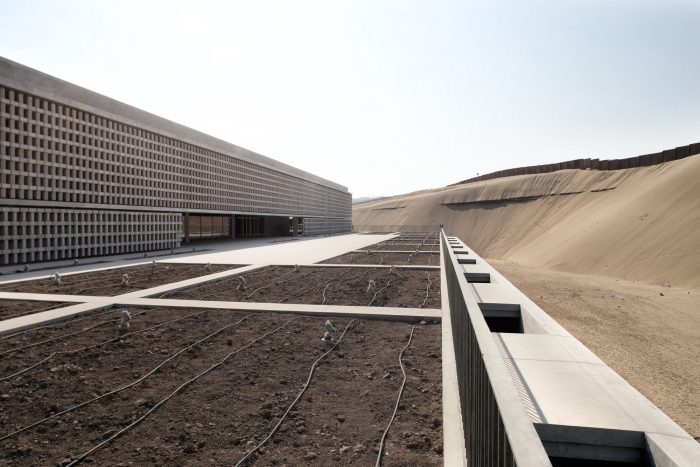
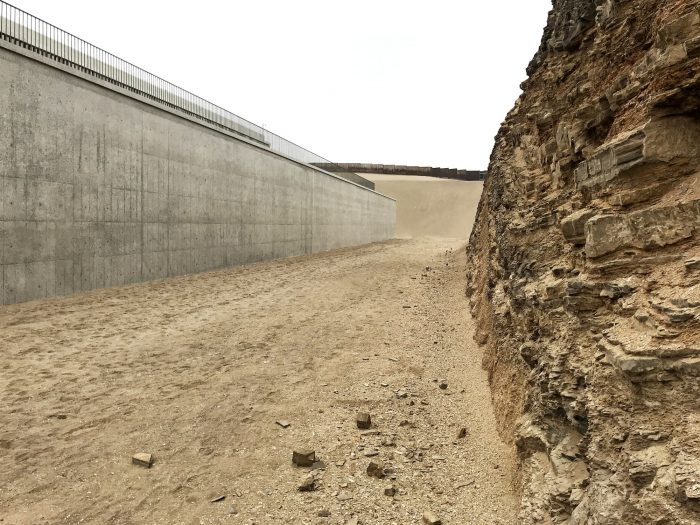
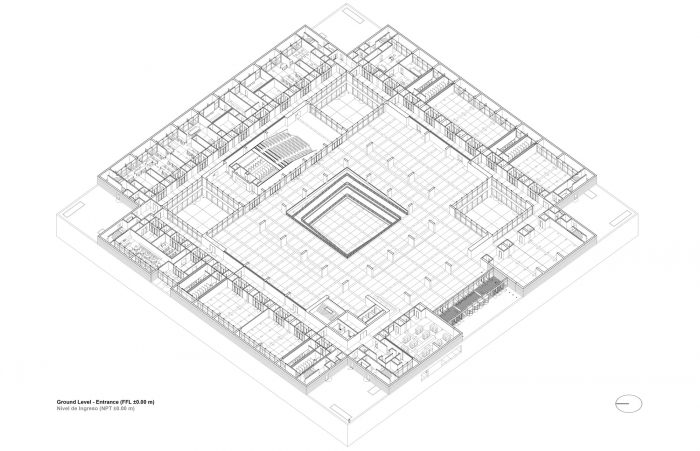
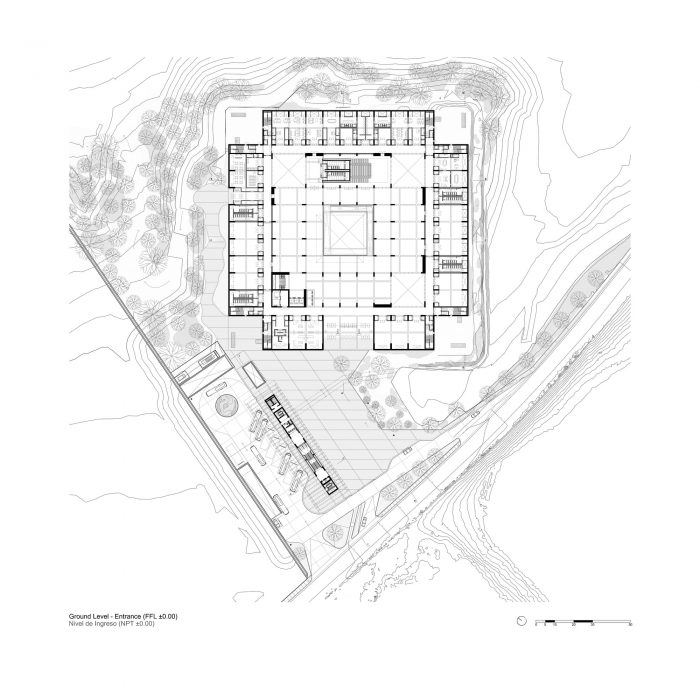
Muna is conceived as a new Andean “kancha”, an infrastructure that integrates both ancient and contemporary landscapes; the Museum inscribes a flexible 126m by 126m quadrangular with a large interior void- a clear and compact volume in the existing arid hollow of this specific desert landscape.
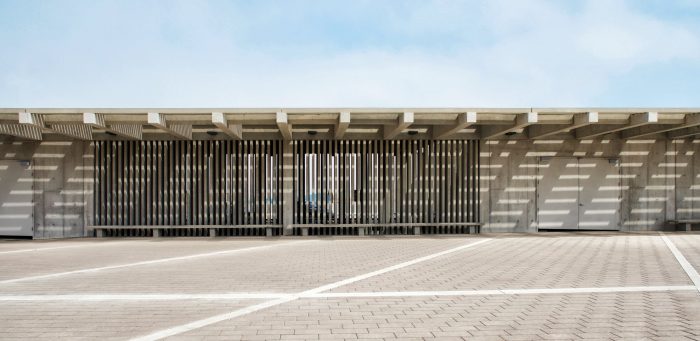
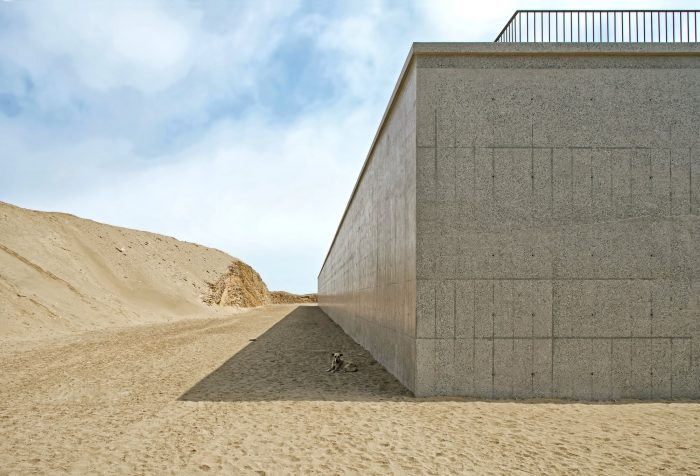
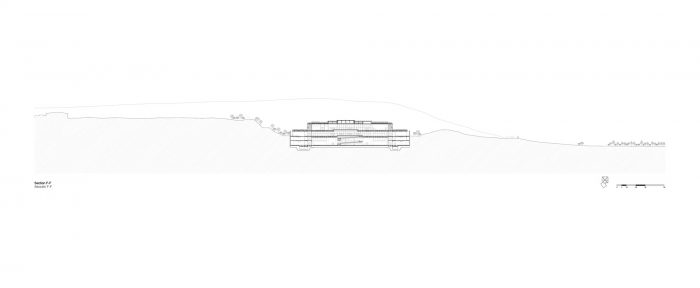
这一干预措施通过占用一个先前被挖掘的区域,稳定并恢复了一个退化和脆弱的场地。这在博物馆和周围的沙丘之间创造了一个公共空间,但并没有接触到它们或在高度上超过它们。
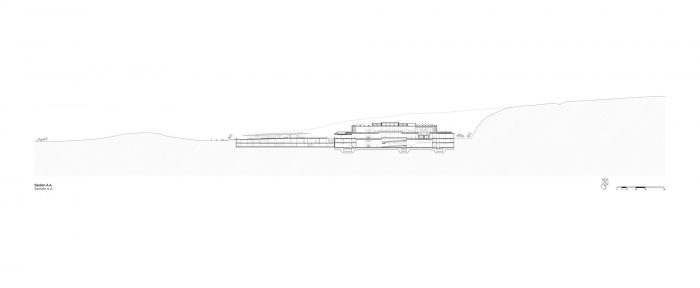
The intervention stabilizes and restores a degraded and vulnerable site by occupying a previously excavated area. This creates a public space between the Museum and the surrounding dunes without touching them or surpassing them in height.
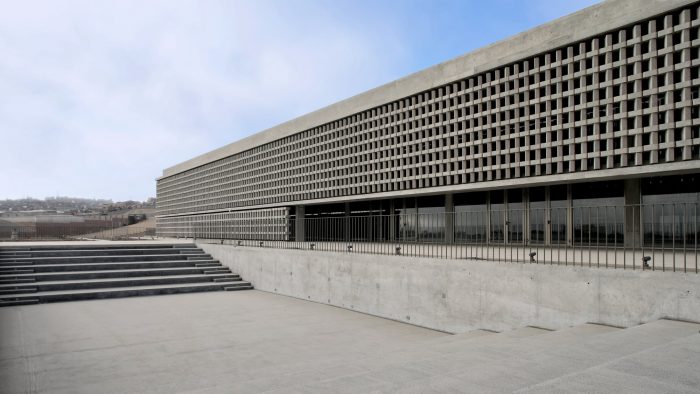
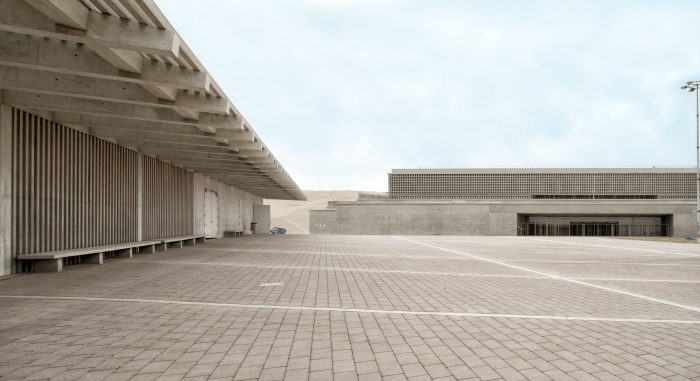
一般的座位是无等级的,并平等对待基础设施的所有方向:四个高架户外平台与帕查卡马克考古圣地、遗址博物馆、太平洋、乌尔皮瓦查克泻湖、农业景观、沙漠塔布拉索以及胡里奥-C-特洛和萨尔瓦多别墅的发展中的城市化有关。
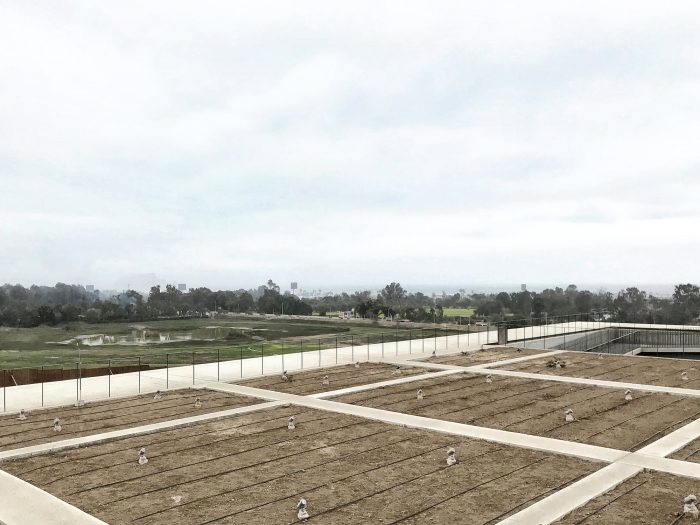
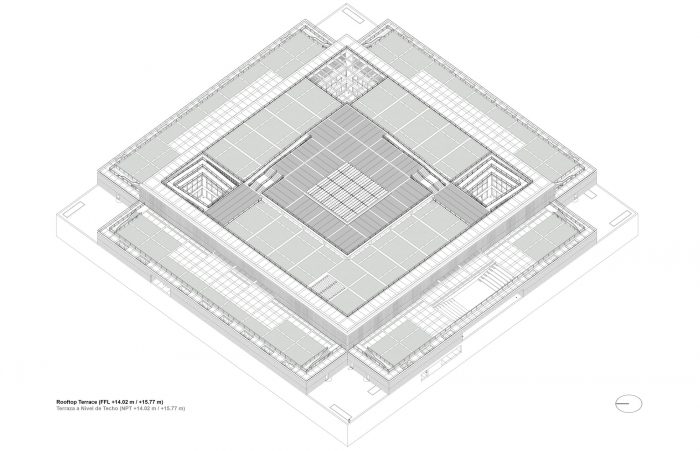
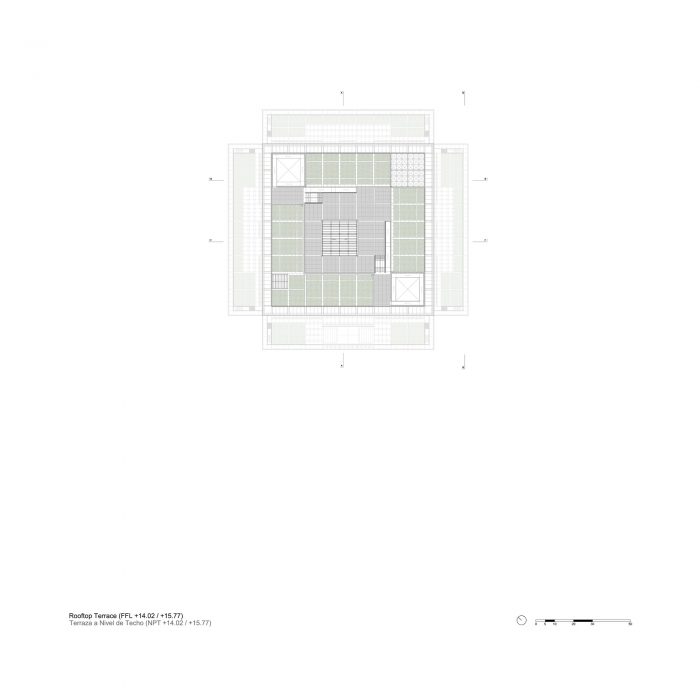
The general seating is non-hierarchical and treats all the orientations of the infrastructure equally: the four elevated outdoor platforms relate to the Archaeological Sanctuary of Pachacamac, the Site Museum, the Pacific, the Urpiwachak lagoon, the agricultural landscape, the desert tablazo, as well as the developing urbanizations of Julio C. Tello and Villa El Salvador
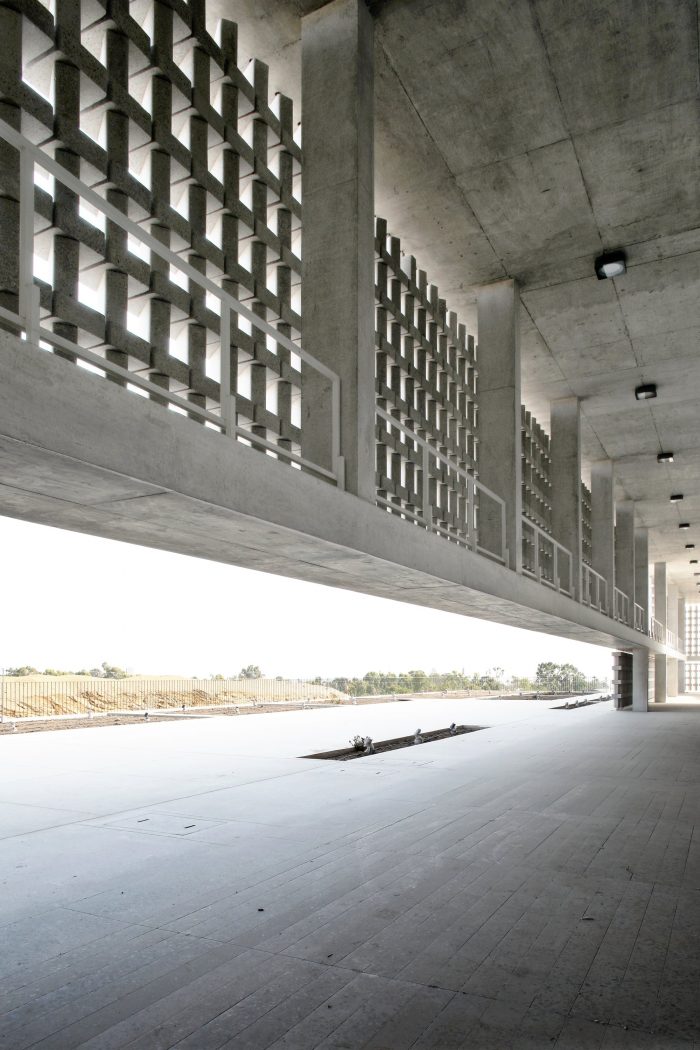
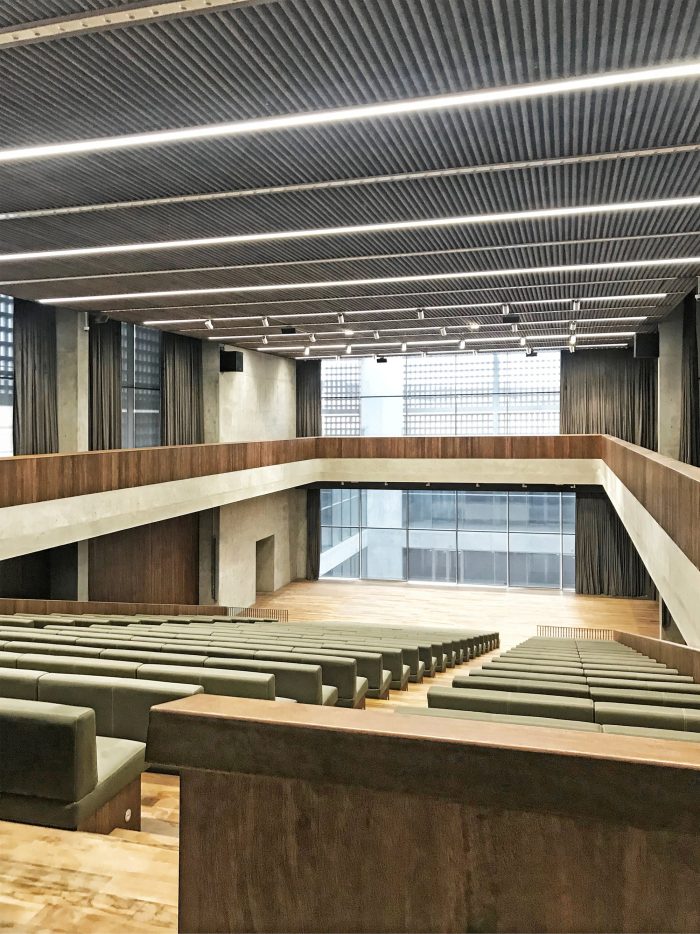
目标。穆纳是国家博物馆系统的中心,旨在保存、保护、恢复和连接国家考古遗产与我们现在的生活文化。这个新的基础设施组织了三个主要项目:一个带有教育项目的研究和保护中心,存储和技术区,以及与社会空间相连的收藏品的公共博物馆区:一个礼堂、餐厅、图书馆和大型灵活的非程序化房间。
Objectives. Muna is at the center of the National Museum System designed to preserve, conserve, restore and connect the national archaeological heritage with our present living culture. This new infrastructure organizes three main programs: a Research and Conservation center with educational programs, Storage and technical areas, and public Museum areas with collections connected to social spaces: an auditorium, restaurant, library, and large flexible non-programmed rooms.
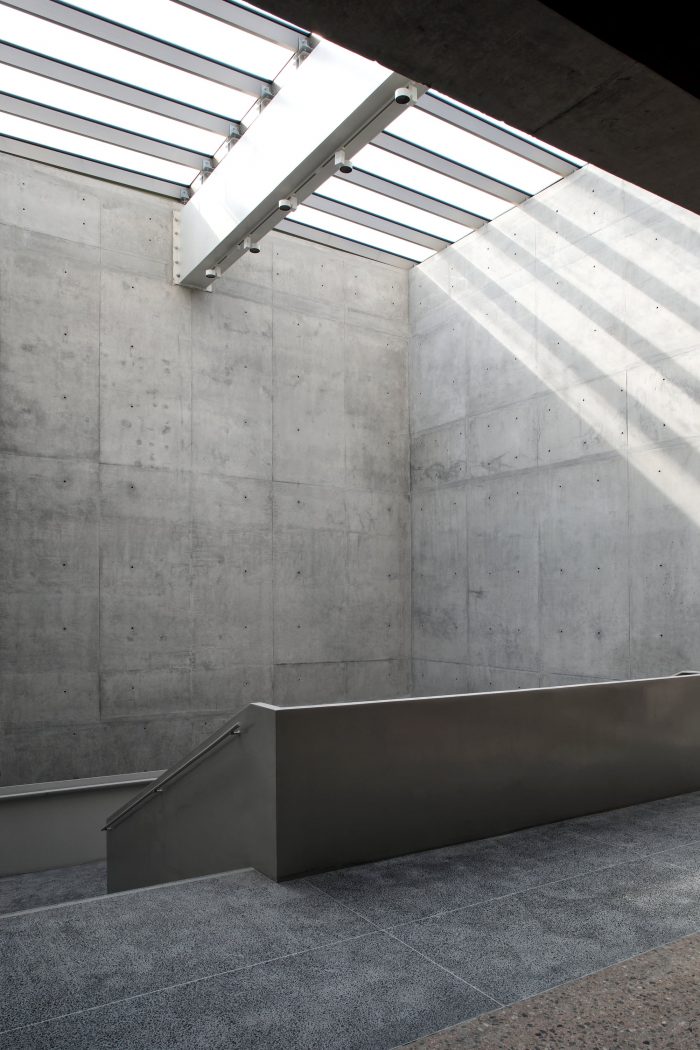
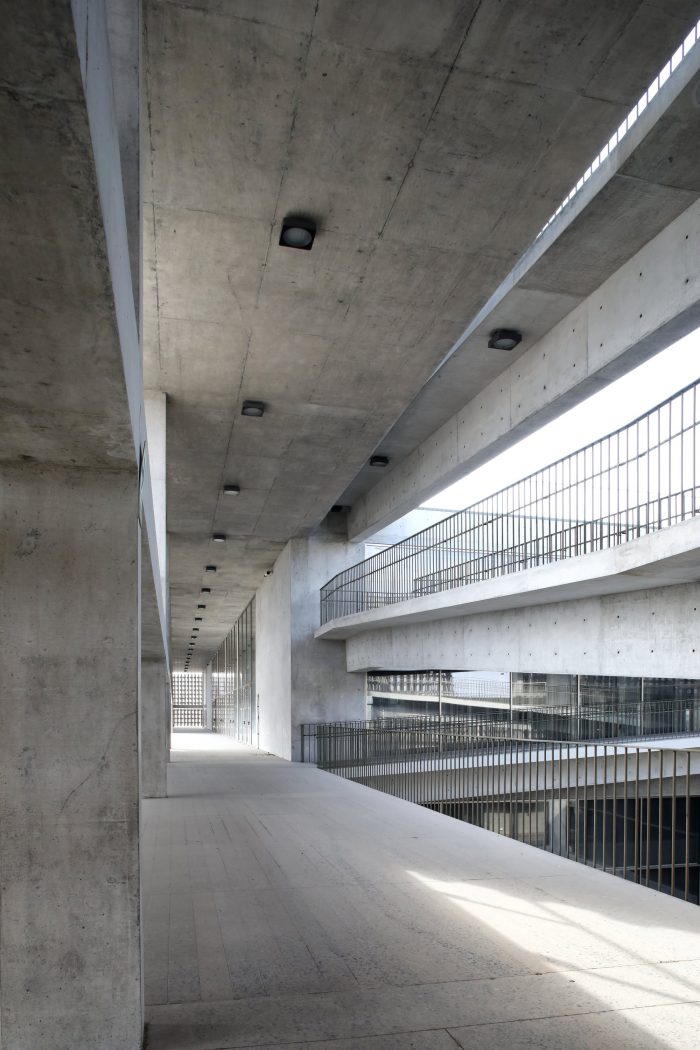
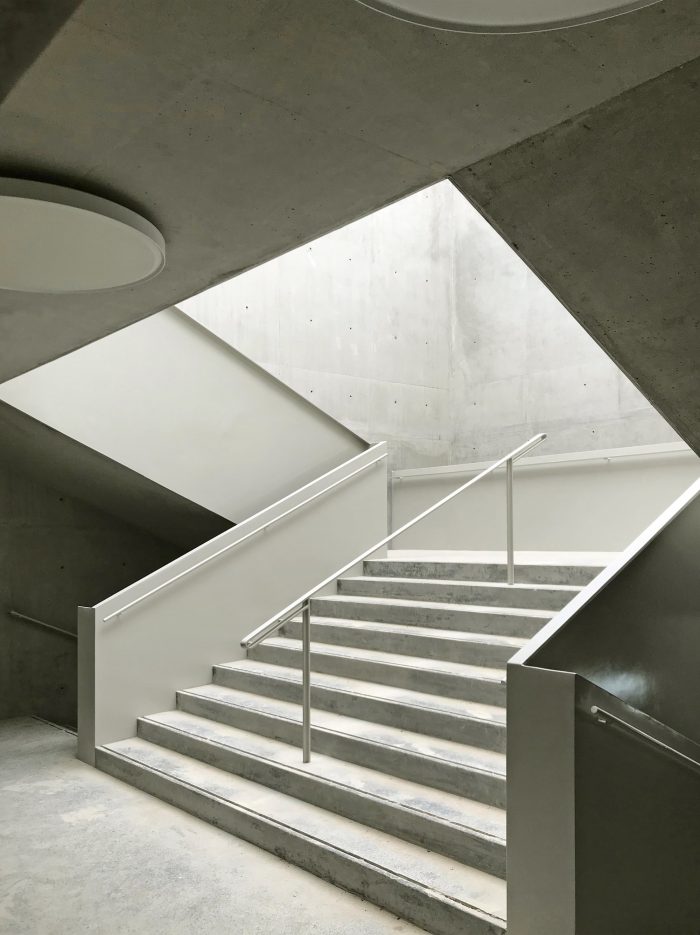
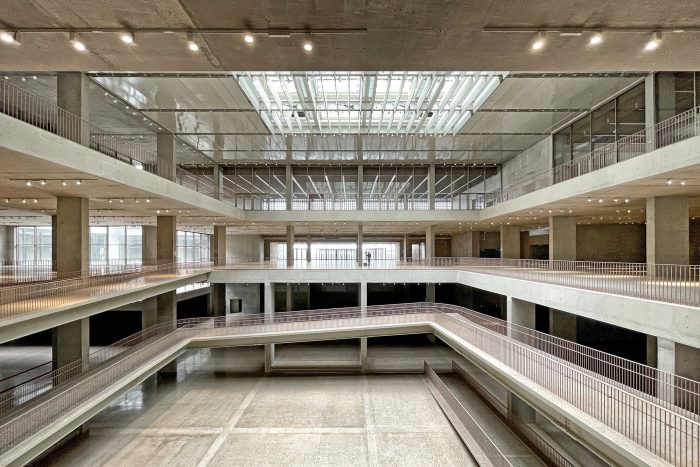
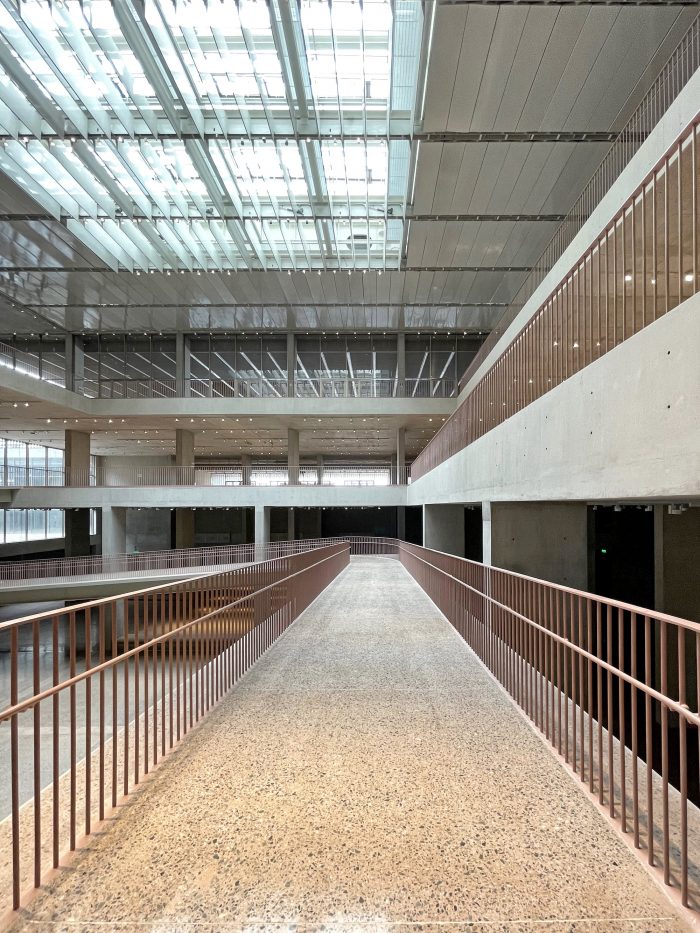
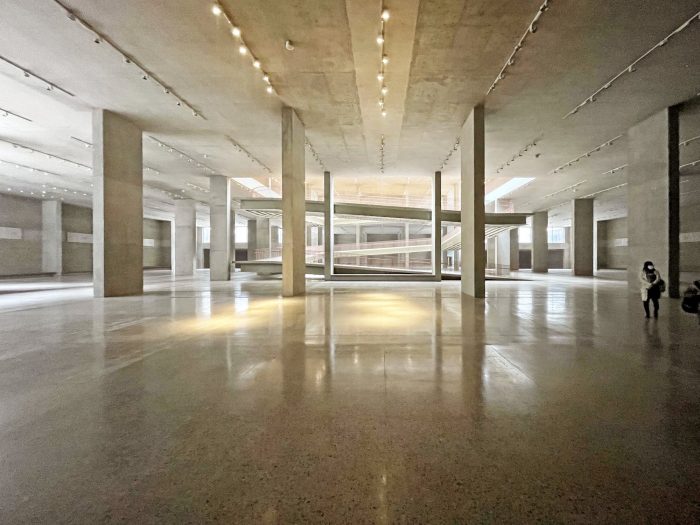
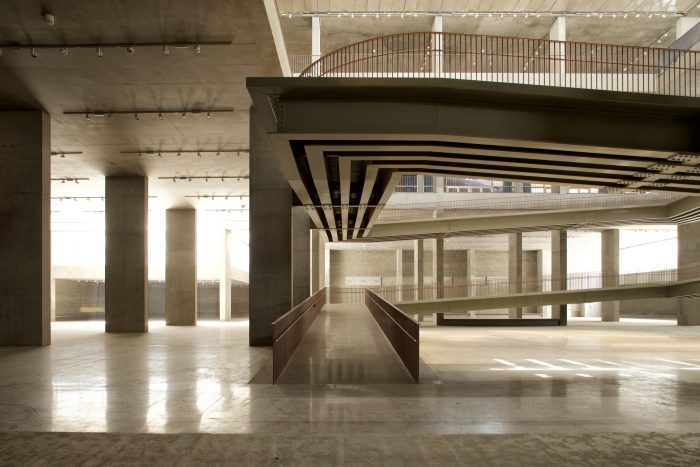
该基础设施为研究人员、工人和参观者之间的无缝接触建立了无障碍的物理条件--为更大的区域范围内的知识交流创造了一个平台。博物馆的建筑提出了一个空间上开放和水平的平台系统,通过一个25米x25米x25米的大型天窗空隙垂直连接。在这个灵活的非计划性空间的周边有一个宽阔的斜坡,将入口层的临时展览空间与地下的博物馆主展览区连接起来。
The infrastructure builds physical conditions without barriers for seamless encounters between researchers, workers, and visitors- creating a platform for the exchange of knowledge intended for a larger Regional context. The architecture of the Museum proposes a system of spatially open and horizontal platforms vertically interconnected by a large 25m x 25m x 25m skylit void. A wide ramp at the perimeter of this flexible non-programmatic space connects the temporary exhibition spaces at the entrance level to the main museum exhibition area underground.
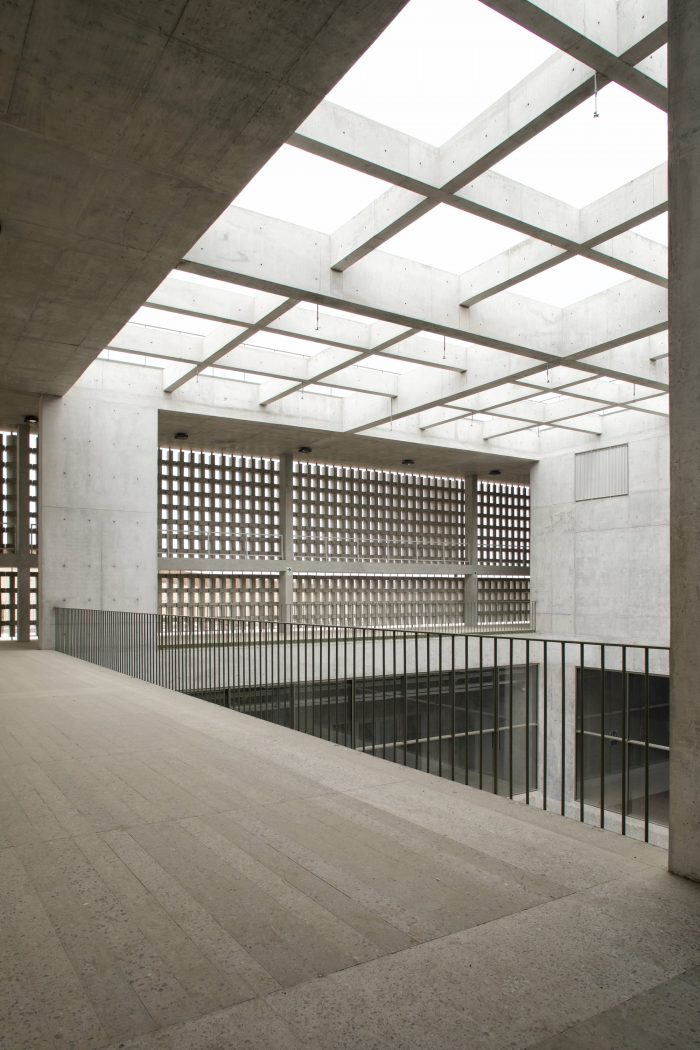
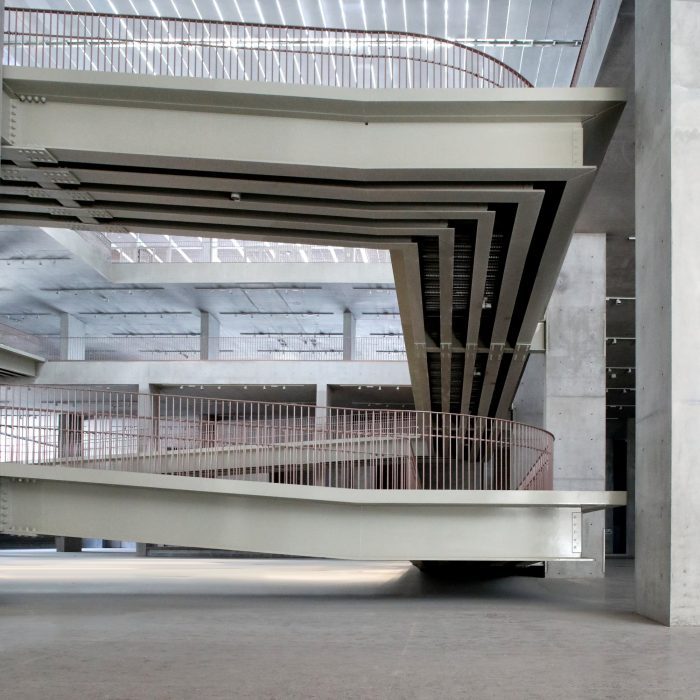
在视觉上,这个空间将所有的展览空间和上面的社会活动连接起来--一个装置和临时干预的地方。同样地,建筑二层的景观项目和周围的本地植被为即兴活动提供了一个生态系统。如果MUNA要提供随着时间推移发展多种博物馆学和博物馆学的可能性,那么它的慷慨和开放的结构是至关重要的。通过这种方式,博物馆在发展我们的当代民族身份方面发挥了基本的文化作用,因为它与秘鲁历史上不同的景观相联系--这个项目包括了我们的不同身份,以实现一个集体的可持续的未来。
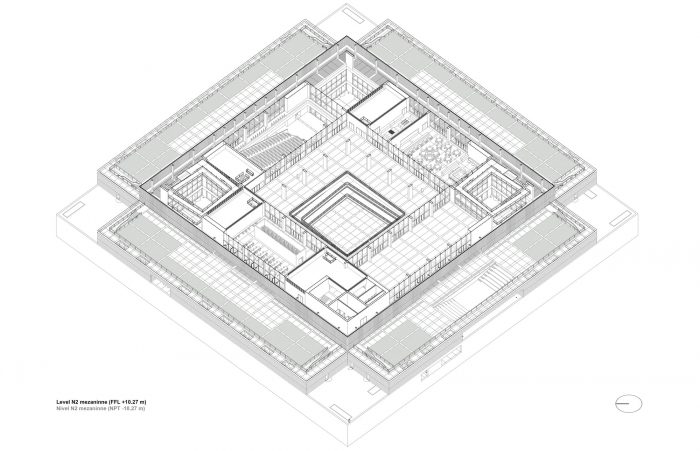
Visually this space connects all the exhibition spaces with the social activities above--a place for installations and temporary interventions. Likewise, the landscape project for the building’s second level and surroundings of native and local vegetation offers an ecosystem for improvised activities. The generous and open structure of the MUNA is essential if it is to offer the possibility of developing multiple museologies and museographies over time. In this way, the museum plays a fundamental cultural role in the development of our contemporary national identity as connected to Peru´s historically varied landscapes- a project which includes our diverse identities for a collective sustainable future.
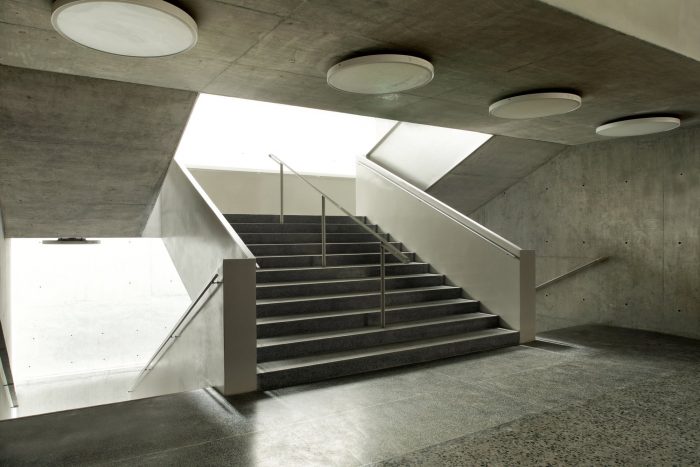
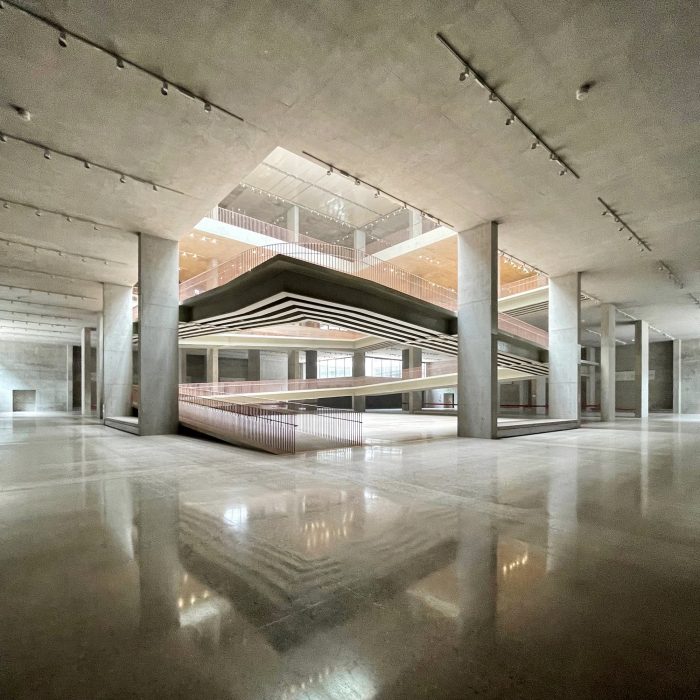
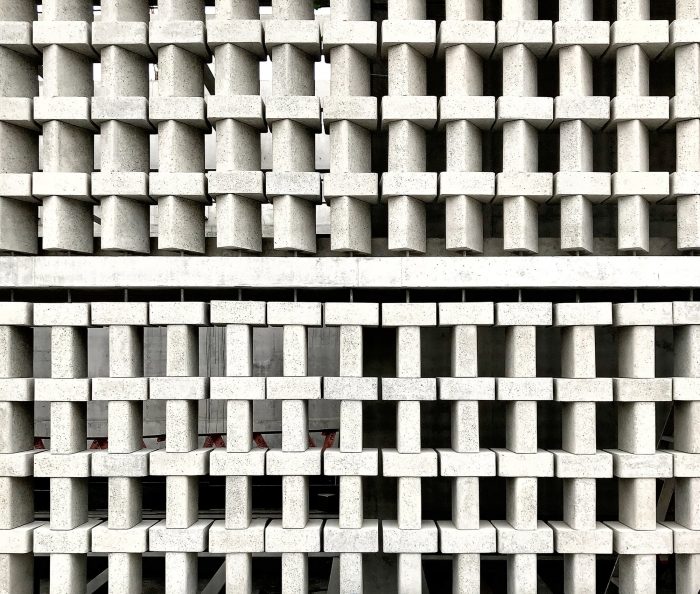
性能。新的基础设施通过在地下建造70%的项目来限制视觉上的存在:这个决定有利于基础设施的抗震性(8块结构板连接到地下技术区)和热力学稳定性。MUNA基础设施的整体热力学建议是被动的,在所有外部水平表面实施厚的自然绝缘楼板(土和植物),并放置移动的混凝土 "土坯",用于风和太阳的纺织屏,与绝缘玻璃隔开4.5米,以保护第二层的公共空间,并提供通往天井的通道,同时将光线引入地下,并提供通往屋顶观测站的通道。
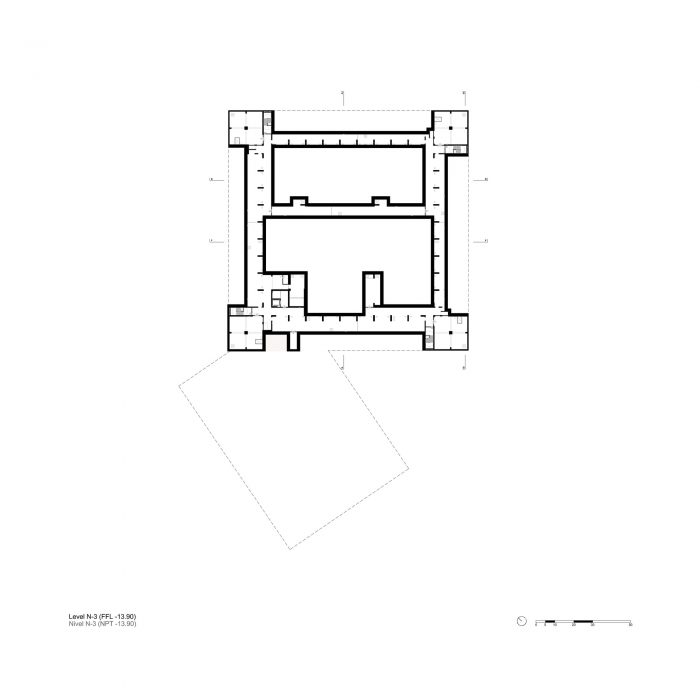
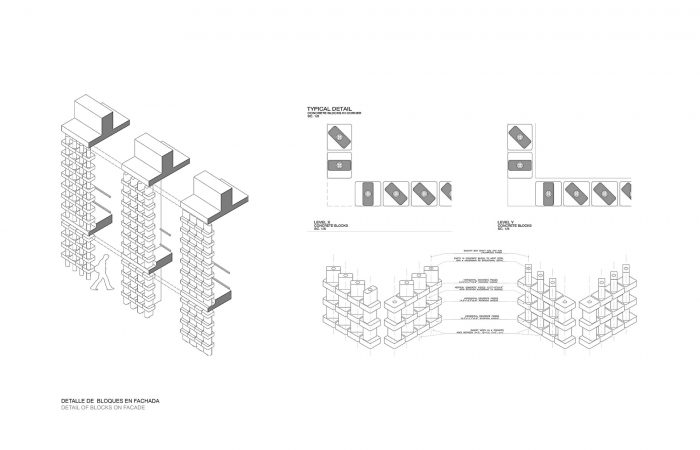
Performance. The new infrastructure limits the visual presence by building 70% of its program below ground: a decision that benefits the infrastructure with both seismic resistance (8 structural plates connected to a subterranean technical area) and thermodynamic stability. The overall thermodynamic proposal of the MUNA infrastructure is passive by implementing thick naturally insulated floor slabs (of earth and plants) on all exterior horizontal surfaces, and the placement of mobile concrete “adobes” for the wind and sun textile screen separated 4.5m from the insulated glass- areas for chance encounters that protect the public spaces on the second level and give access to the patios which simultaneously bring light underground and provide accessibility to the rooftop observatory.
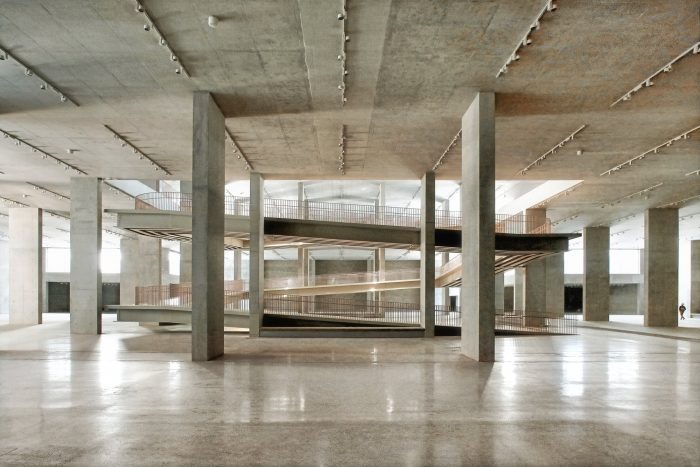
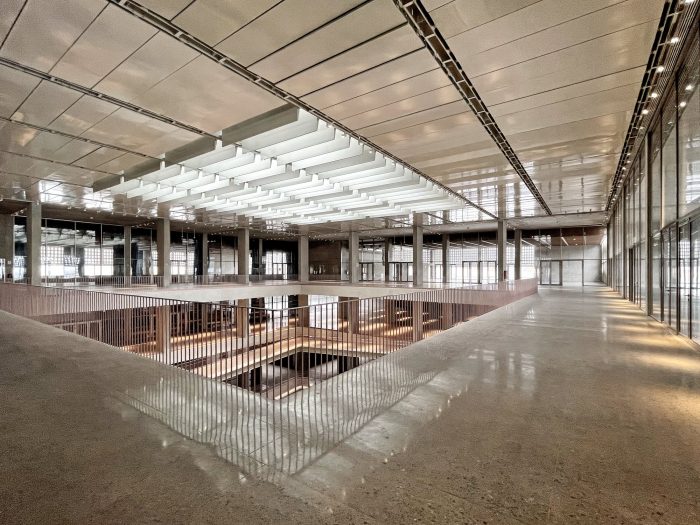
垂直空隙用天顶光照亮,其强度由机械百叶窗控制,允许不同的照明条件,以满足不同时间的展览。该建筑的结构灵活性不仅是展览空间的特点,也是实验室和存储空间的特点;这些位于建筑四面的空间可以作为大空间使用,也可以根据这些活动的计划被分割成小房间。
The vertical void is illuminated with zenithal light whose intensity is controlled by mechanical louvers allowing for different lighting conditions for the temporal exhibitions. The building´s structural flexibility is not only a characteristic of the exhibition spaces but of the laboratories and storage space as well; these spaces on the four sides of the building can be used as large spaces or divided into smaller rooms as the program of these activities is defined.
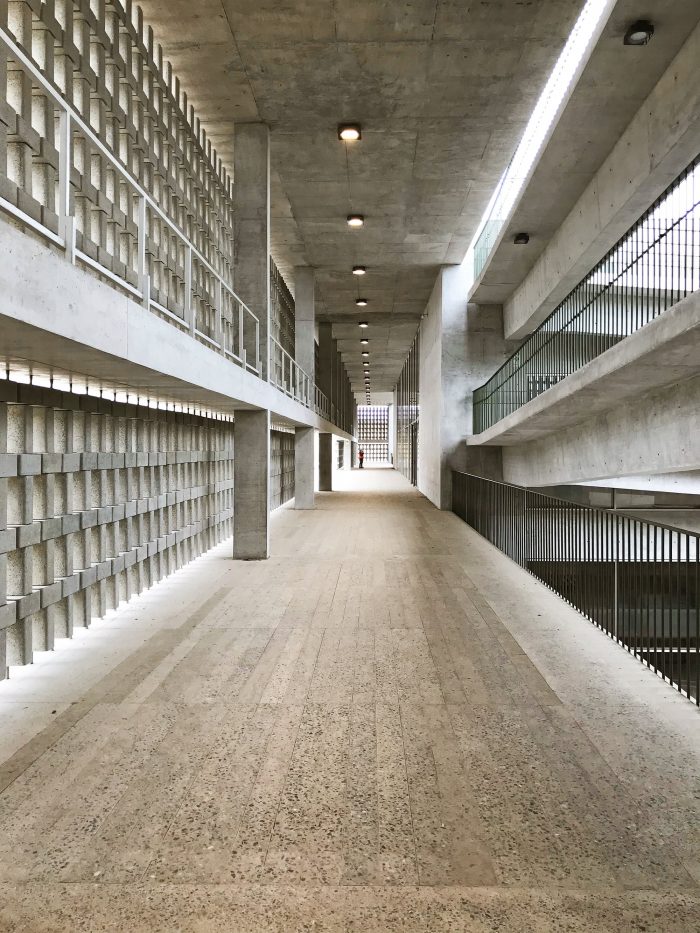
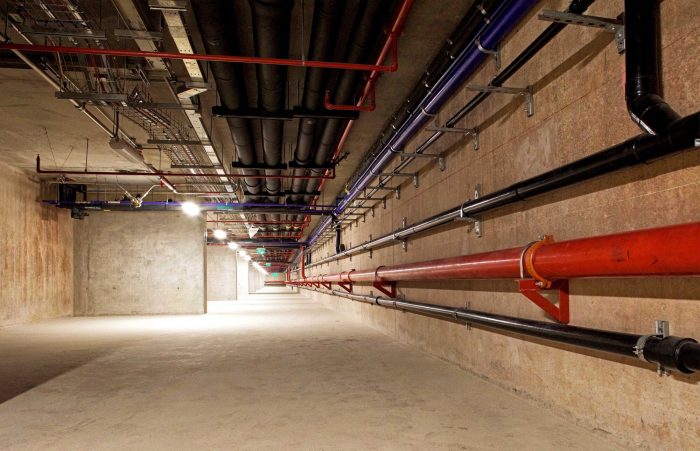
消除这些区域的空间和结构限制是一个关键的策略,它为该机构未来的博物馆学和博物馆学提供了自由—结构和所有装置都是相互独立的。建筑物各层的主要技术装置周边环与宽阔的流通走廊相吻合,允许在不干扰邻近项目功能的情况下进行一般维护。
Removing spatial and structural restrictions from these areas is a critical strategy that gives freedom to the future Museology and Museography of the institution- the structure and all installations are independent of each other. A primary technical installation perimeter ring on all levels of the building coincides with wide circulation corridors allowing for general maintenance without disturbing the adjacent program functions.
Architects: leonmarcial arquitectos
Area : 810609 ft²
Year : 2021
Photographs :Lucho Marcial, Evelyn Merino Reyna
Principal Architects Project : Alexia León y Lucho Marcial
Principal Architects Contest : Alexia León, Lucho Marcial, Paulo Dam, Jose Canziani.
Project Coordinators : Mareika Kardum, Francisco Rodriguez, Alejandra Carreras, María Huamán
Collaborators : Alex Cuadra, Henry Villalta, Luis Falen, Sandro Casanova, Gustavo Reyna, Arturo Ghezzi, Alberto Bautista, Percy Iparraguirre, Jorge Cabrera, Daniella Dibos, Vanessa Laos, Virginia Angell
Support Collaborators : Alonso Chávez, Sally Guzmán, Andrea Tapia
Structural Engineering : GCAQ Ingenieros, Carlos Casabonne
Acoustic Engineering : Arq. Carlos Jiménez.
Electrical Sanitary And Mechanical Engineering : JG Ingenieros, Julio Mora
Acoustic Consulting : Arq. Carlos Jiménez.
Landscaping : Claudia Melgarejo/ P.Arq con leonmarcial arquitectos.
Security : Eddy Tafur.
Program : Centro de investigación y conservación, Areás de depósito para colecciones, Salas de exhibición temporal y permanente, Auditorio y servicios públicos, Areás técnicas.
City : Lurín
Country : Peru