
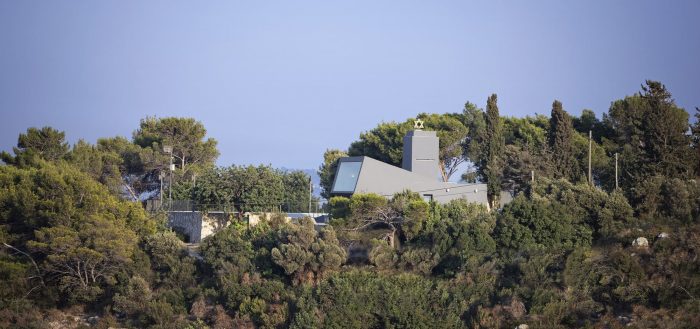
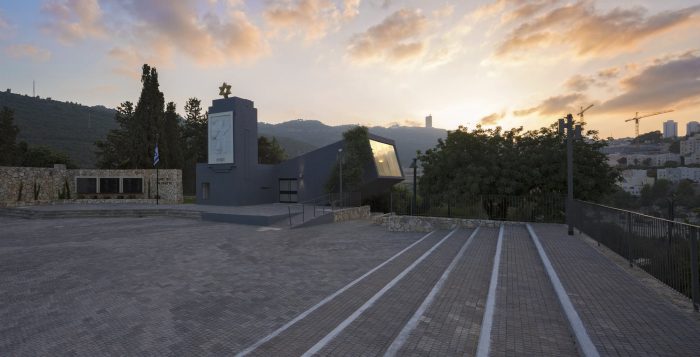
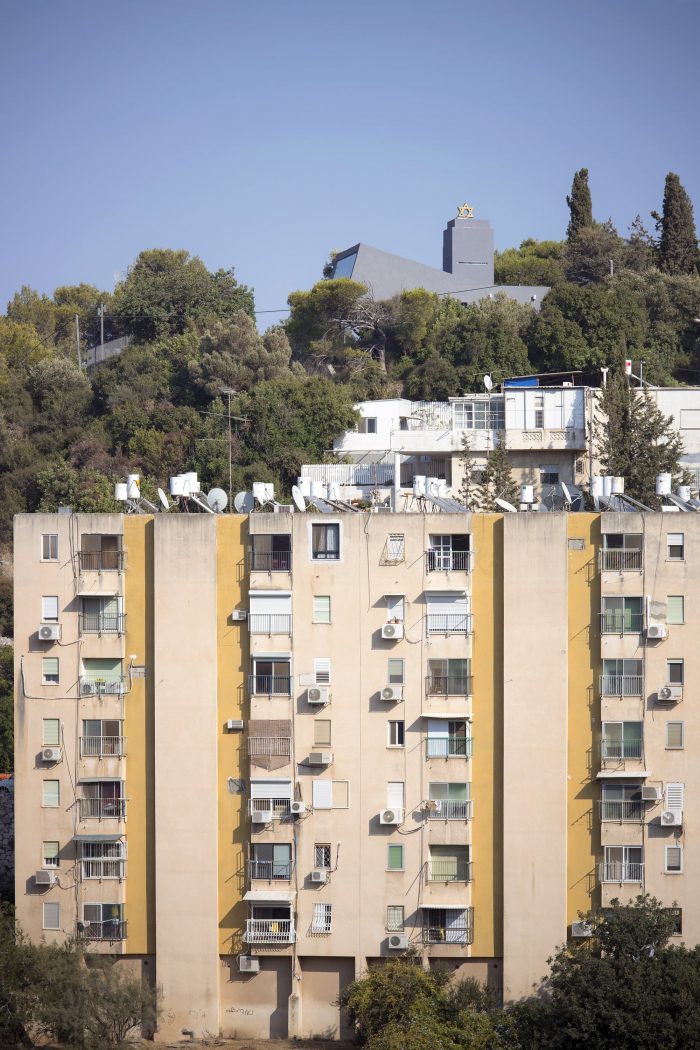
Nesher纪念馆是在一个历史保护建筑的基础上建立的,该建筑过去曾被用作守卫阵地。在48年战争中,该阵地被用作保护Giv'at Nesher的居民。该建筑位于一个安静社区的中心,在一个山顶上,周围有一个大广场和一个儿童游乐场。
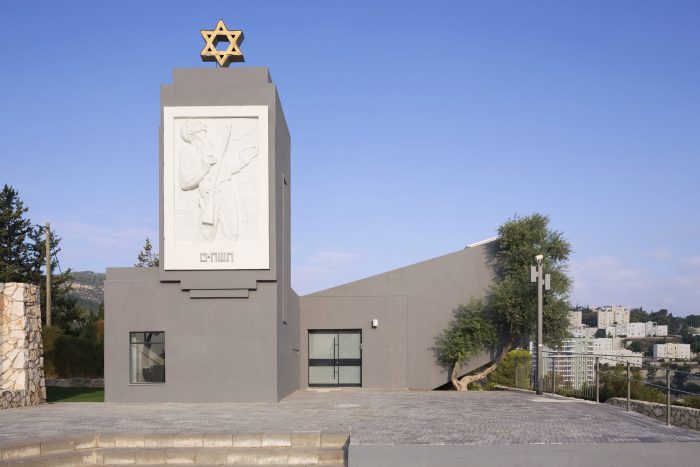
Nesher Memorial was built on a basis of an historic preservation building that was used in the past as a guarding position. In '48 war the position's used as protection to the residents of Giv'at Nesher. The building is located in the heart of a quiet neighborhood, on a hilltop, surrounded by a large square and a children's playground.
在建设工程之前,该建筑被忽视了,每年只对公众开放一次--在国家纪念日,然后它被开放,供人们参观和欣赏纪念图片,作为纪念牺牲者的公共仪式的一部分。
Prior to the construction works, the building was neglected and was used in favor of the public only once a year – in the National Memorial Day, then it was open for a tour andimpression of memorial pictures, as a part of the public ceremony for the memory of the fallen.
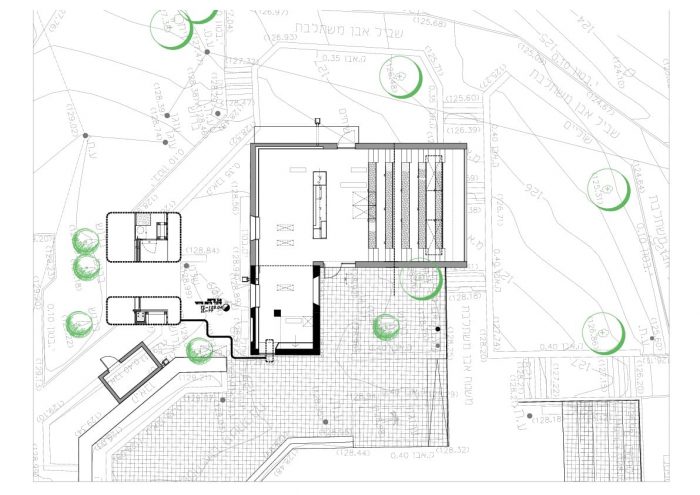
Nesher市政府要求SO建筑事务所扩大建筑周围的广场,使其能够举办多人活动,并重新设计建筑,增加其功能,使其能够作为一个聚会空间全年服务于公众。
Nesher municipality asked SO Architecture office to expand the square surrounding the building so it will enable multiplayer events, and to redesign the building and add functions to it, so that it can serve the public throughout the year as a gathering space.
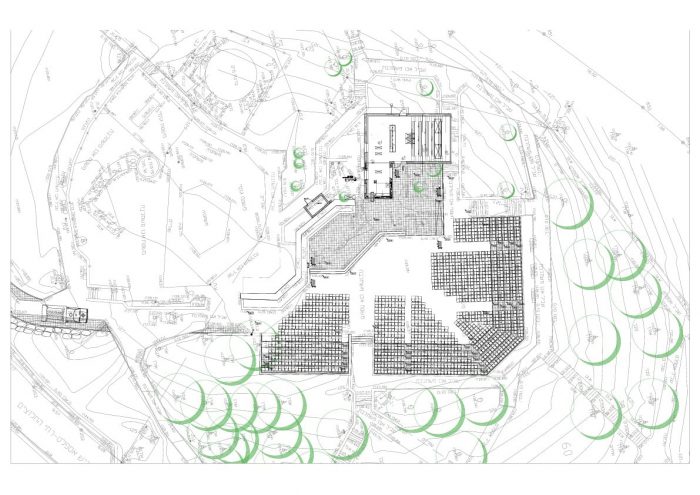
主要的建筑理念是在现有建筑上增加一个礼堂结构,可用于不同类型的公共活动,如讲座、电影放映、青年团体的活动等,同时保护历史记忆。
The main architectural idea was to add to the existing building an auditorium structure that could be used for different kinds of public activities such as lectures, film screenings, activities of youth groups, etc., along with preservation of the historical memory.
礼堂
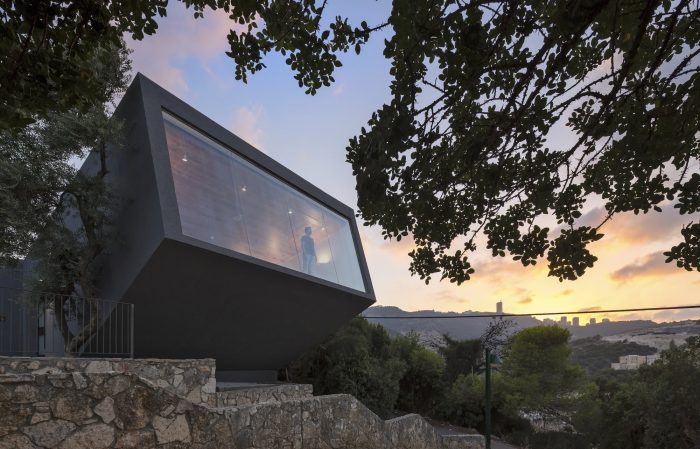
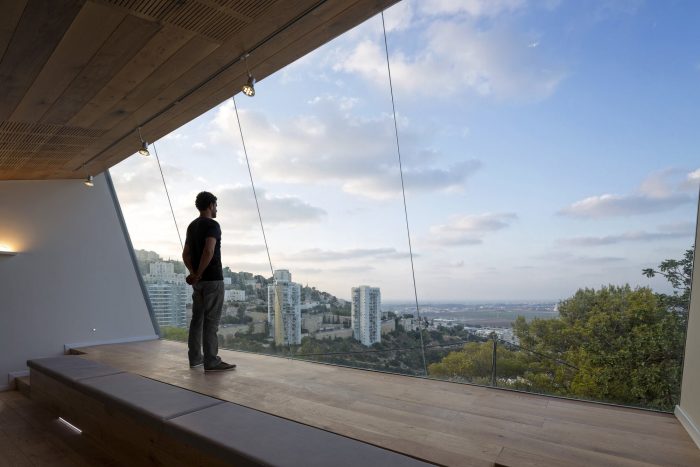
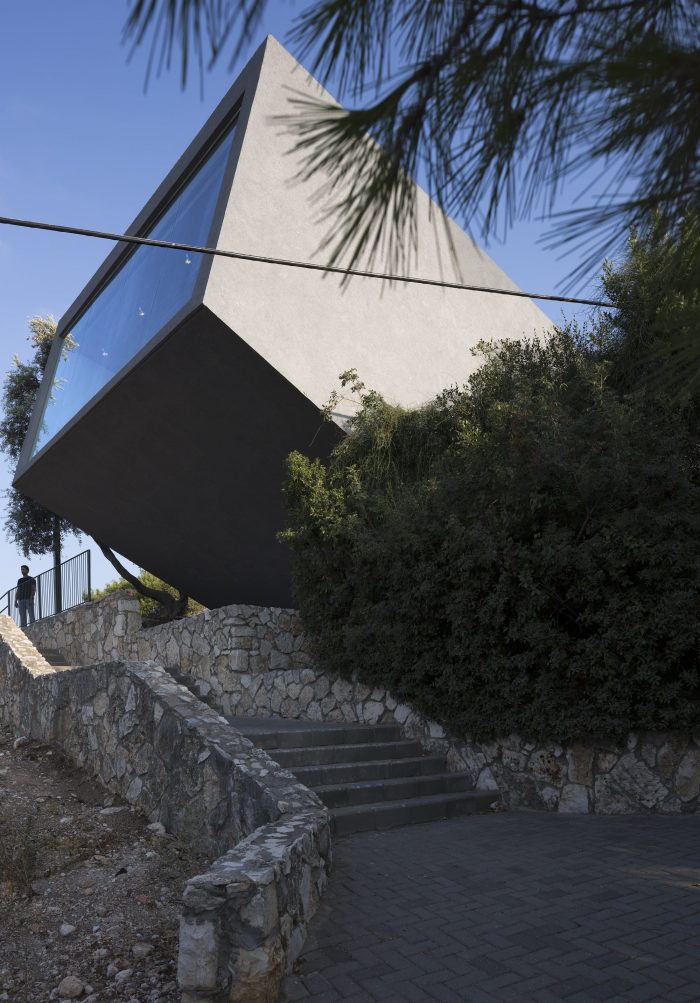
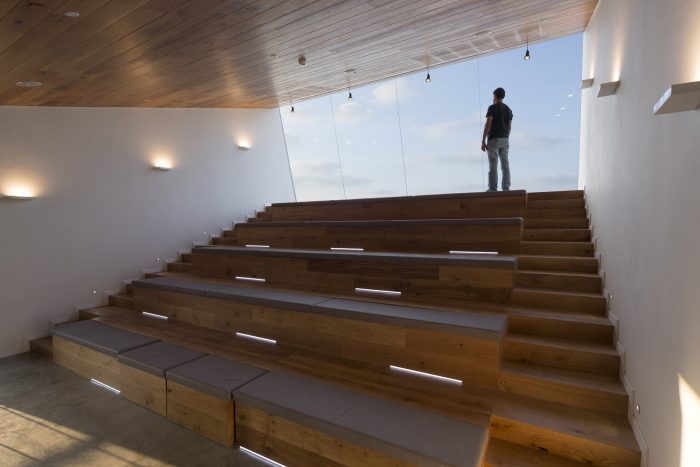
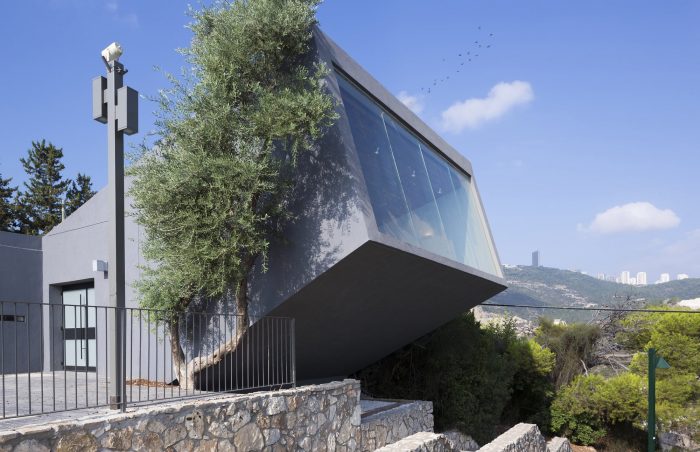
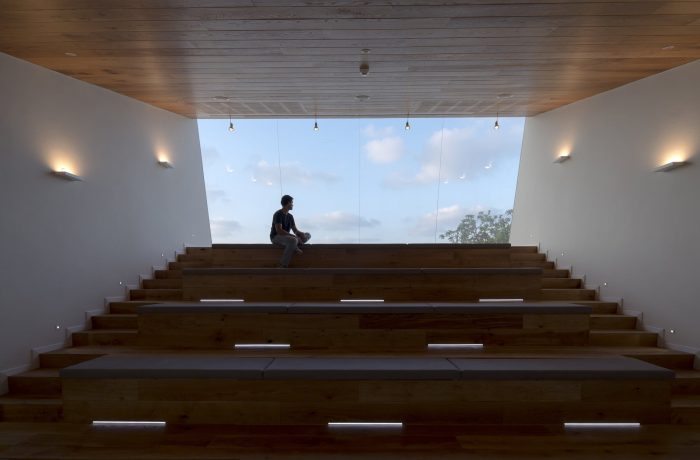
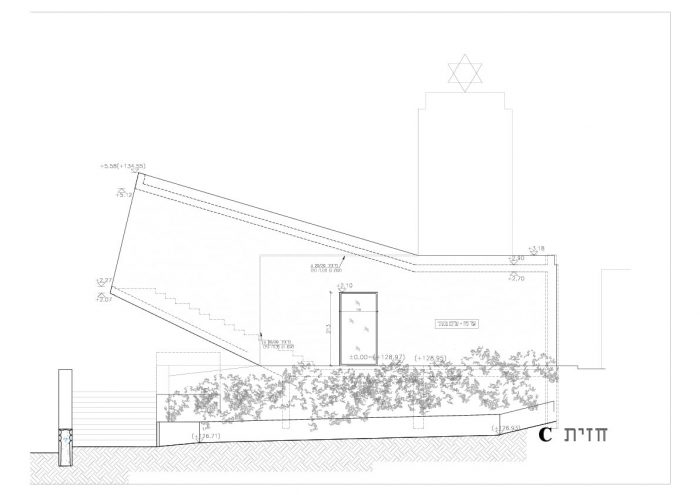
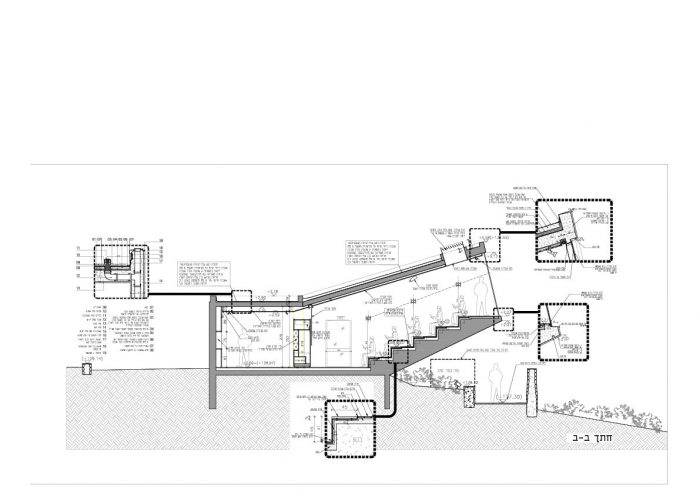
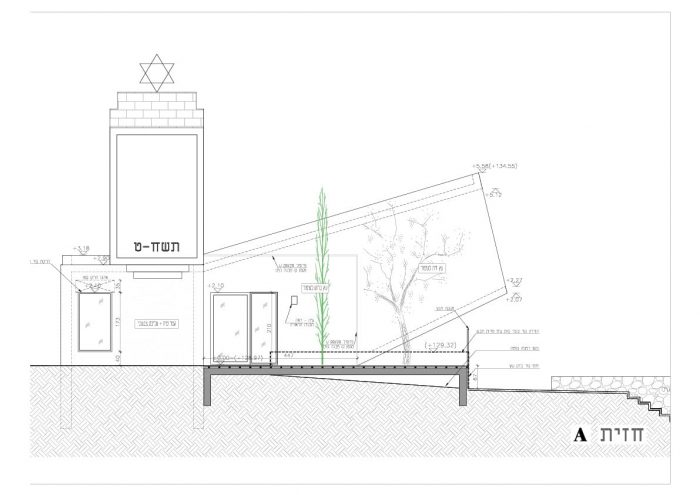
礼堂通过其倾斜的立面,向公园和周围的城市展示了其内部的几何形状。这种几何行为有一个额外的意义,即创造一个象征性的几何图形,与纪念馆的概念和建筑作为纪念碑的功能相联系。一个大窗户位于礼堂的边缘,朝向北方,从而将柔和的光线带入礼堂,并使海法湾的景观令人惊叹。在一个诗意的现实寓言中,窗户的功能是作为内部空间的一个明亮的结尾,从而象征着丧亲之痛与生活世界的光明和希望之间的平衡。
The auditorium
The auditorium reveals its insides geometry to the park and the city surrounding, by its inclined façade. This geometrical act has an additional meaning in creating a symbolic geometry that communicates with the memorial concept, and the function of the building as a monument. A large window is located at the edge of the auditorium, facing north and thus brings a soft light into the auditorium and enables a breathtaking view at the landscape of Haifa bay. In a poetic allegory to reality, the window function as a bright ending to the inner space, and thus symbolizes the balance between the bereavement pain and the light and hope in the living world.
记忆空间
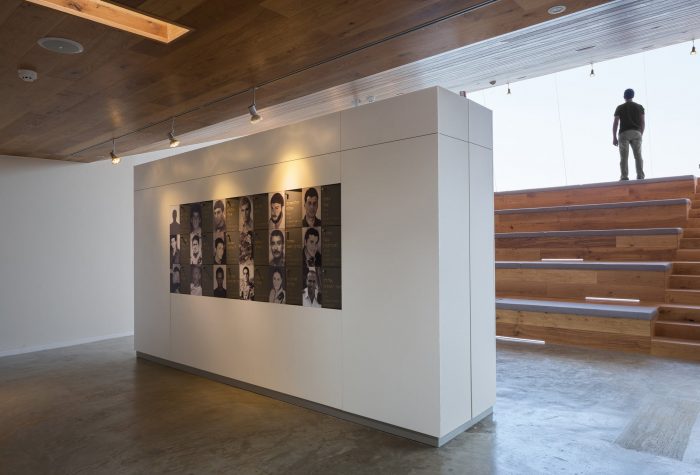
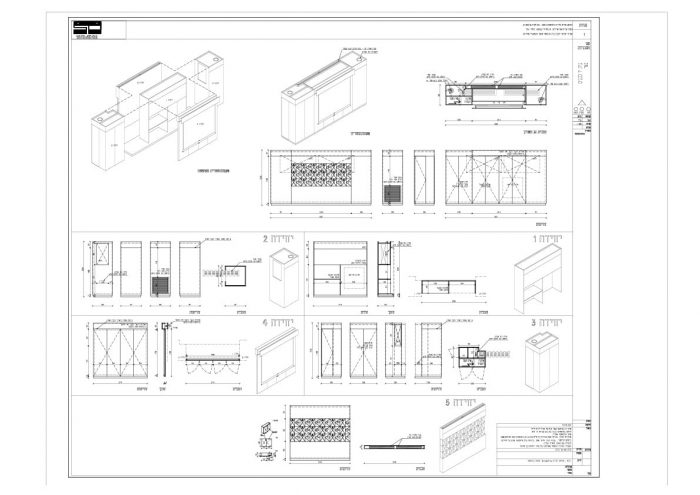
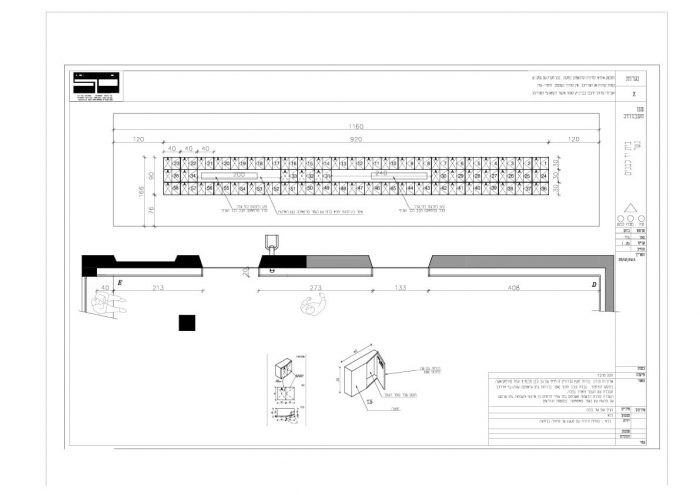
在建筑内的记忆区的墙上挂着一个盒子,上面放着每个逝者的照片。里面有一个房间,用于存放家属和市政当局的纪念性个人物品。在这个空间本身,有一个座位,可以与纪念册和牺牲者的记忆相通。
The memory space
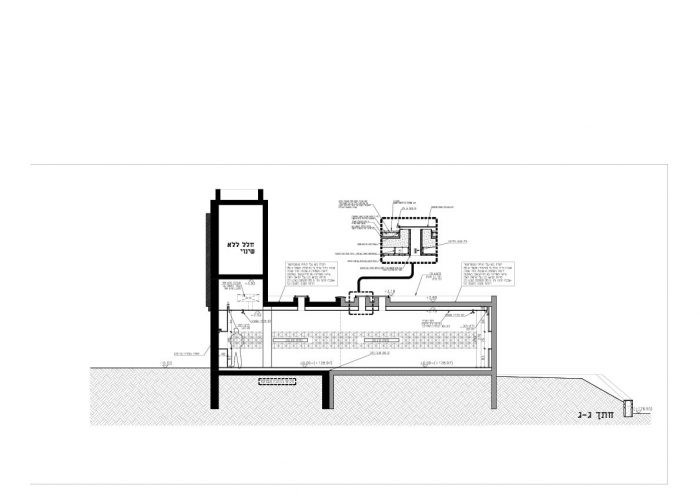
A box for each fallen, with its picture on it, is hanged on the wall of the memory area inside the building. Inside it, there is a room for storage of memorial personal belongings that the family and the municipality can put. In the space itself there is a place for seating and communion with the memory books and the memory of the fallen.
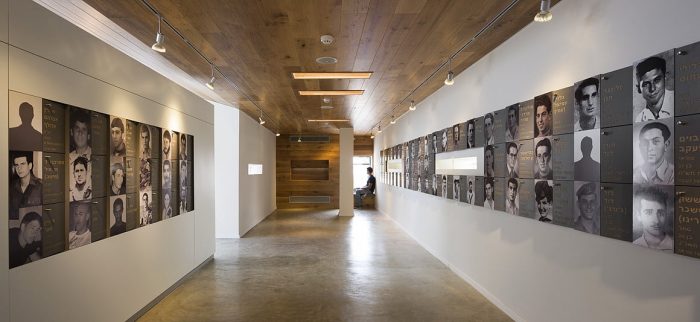
记忆空间的中心由狭长的窗户照亮,这些窗户是原来守卫位置的射击缝隙,以及原来历史建筑的上部天窗。记忆空间的设计采用了模块化的方式,因此如果有必要,可以毫无困难地增加额外的箱子。
装修材料
原有建筑的轮廓与新增建筑之间,通过铝条进行标记和强调,铝条在砂浆中沉淀,强调了旧建筑与新增加的建筑之间的轮廓。记忆空间的地板是混凝土地板。沿着整个建筑的天花板是用橡木板覆盖的,这样就创造了一个温暖的氛围。礼堂区域也是用木头覆盖,还有海绵垫的座椅。还安排了一个残疾人通道。
The center of the memory space is lighted by long and narrow windows that were the shooting slits in the original guarding position, and by upper skylight windows from the original historic building. The memory space was designed in a modular manner, so that if necessary, it will be possible to add additional boxes without any difficulty.
Finishing materials
The original building contours regarding to the addition, are marked and highlighted through aluminum bars that were sediment in mortar and emphasize the contours of the old building regarding to the new addition.The materials that we used in the building are simple. The floor in the memory space is a concrete floor. The ceiling along the whole building is covered with oak planks, so that it creates a warm atmosphere. The auditorium area was also covered with wood, and sponge padded seats. An access to disabled was also arranged.
广场
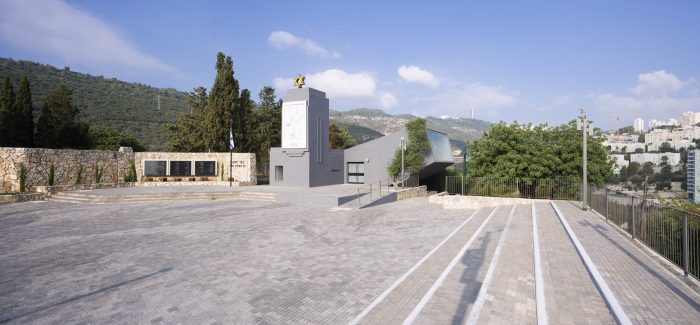
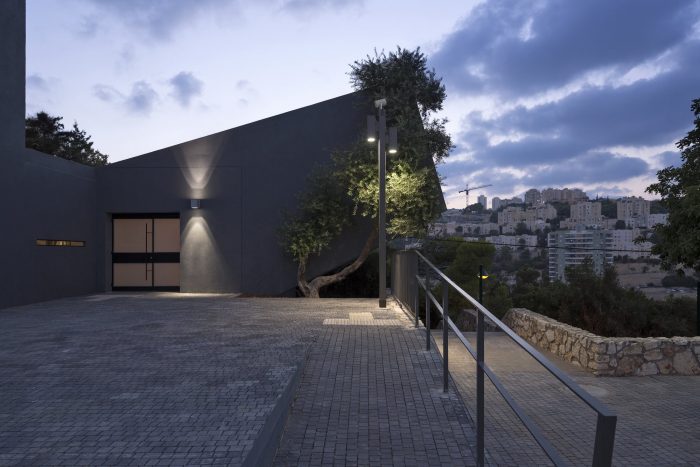
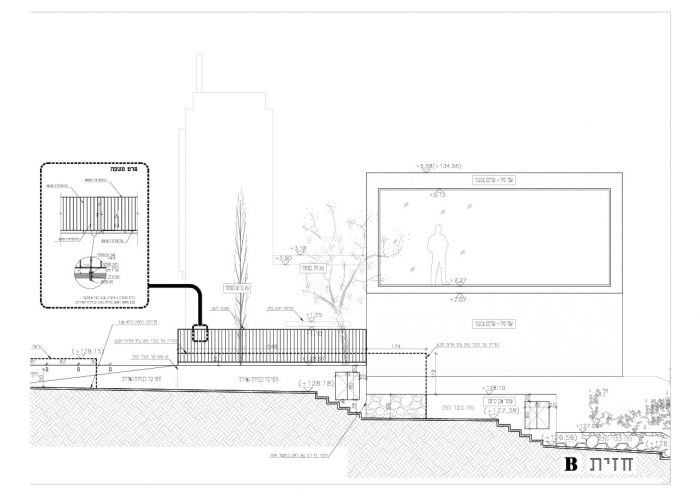
位于建筑正面的集会广场是在现有广场的基础上设计的。其工程包括对残疾人的适用性和无障碍性,在边缘创建看台台阶,以使观看更舒适,并在广场的南端增加了另一个观看点。广场的饰面材料是一个可见的混凝土,它划定了台阶的范围,以及灰色混凝土块。
The square
The gatherings' square on the front of the building, was designed on the basis of the existing square. The works in it included suitability and accessibility to the disabled, creating grandstand steps in the edges to enable a more comfortable viewing, and an addition of another viewing site at the southern end of the square. The finishing material of the square is a visible concrete that delimits the steps, and gray concrete blocks.
Architects: SO Architecture
Area : 118 m²
Year : 2013
Photographs :Shai Epstein
City:NESHER
Ccountry:Israel