
芬兰的医院部门长期以来一直受困于医院设施老化和缺乏新的医疗模式。位于芬兰中部的于韦斯屈莱(Jyväskylä)老医院就是一个典型的例子。医院需要被重新思考,而研究是开始突破思维定势的有效途径。2012年,Hospital Nova成为一个真正的项目,JKMM被选为建筑师。施工于2016年开始,并在2020年完成。病人在今年入院。新星医院的独特之处在于,在功能概念和建筑类型方面,它完全是根据第一原则设计的。作为自20世纪70年代以来在芬兰开业的第一家新建综合医院,新星医院在创新的下一代医院的临床要求与受周围芬兰大自然启发的直观设计感之间取得了平衡。
The Finnish hospital sector had been stuck for a long time, suffering from aging hospital facilities and a lack of new healthcare models. The old Jyväskylä hospital in central Finland was a prime example. Hospitals needed to be rethought and research was an effective way to begin the process of thinking outside the box. In 2012, Hospital Nova became a real project with JKMM selected as architects. Construction began in 2016 and was completed in 2020. Patients were admitted this year. What is unique about Hospital Nova is that, in terms of both functional concept and building type, it has been designed entirely from first principles. The first new-build general hospital to open in Finland since the 1970s, Hospital Nova balances the clinical requirements of an innovative next-generation hospital with an intuitive design sensibility inspired by surrounding Finnish nature.
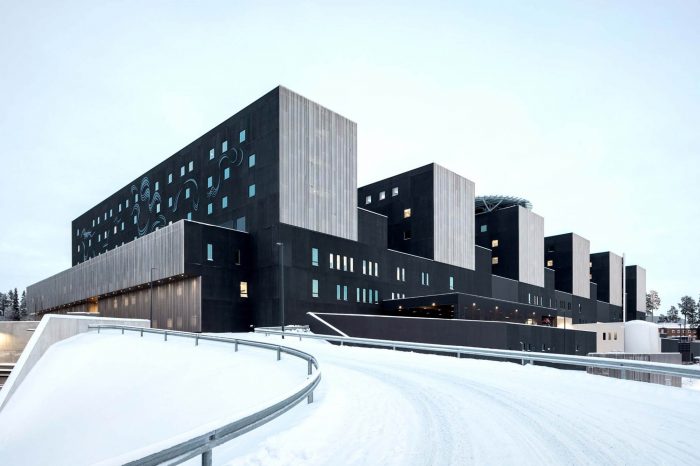
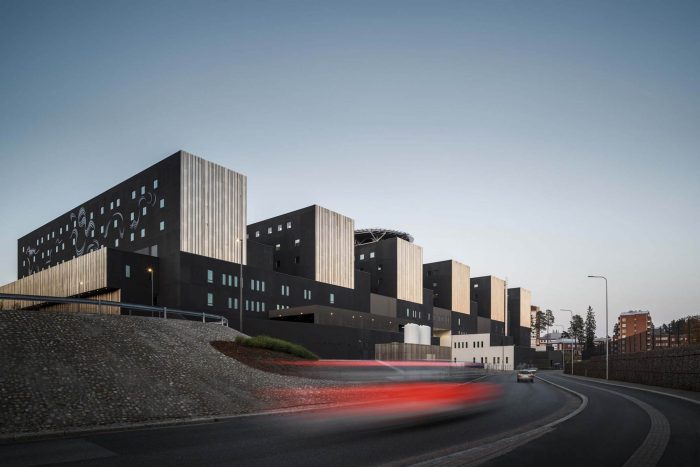
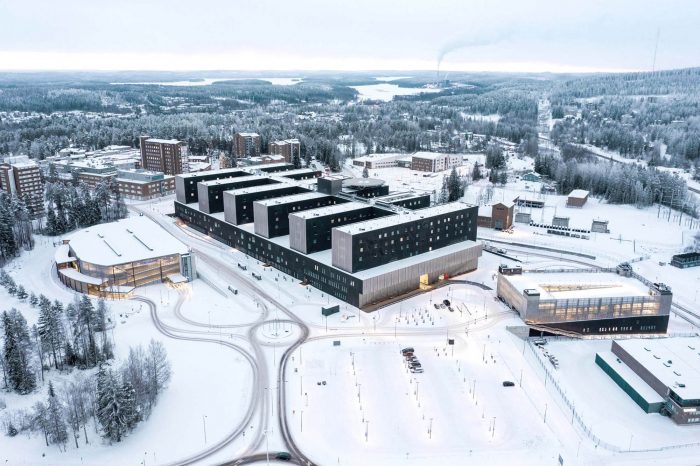
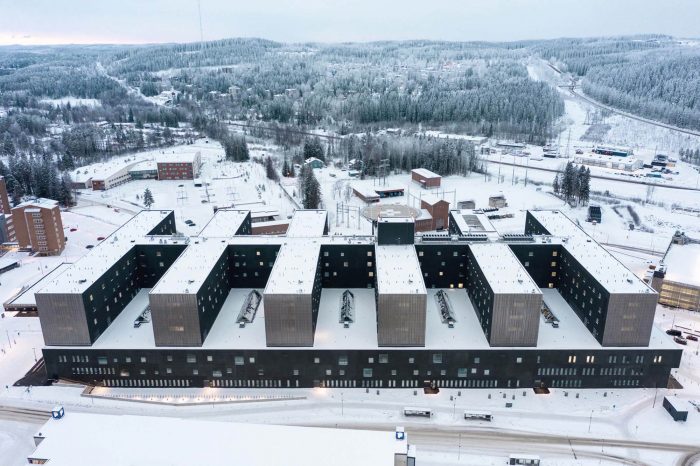
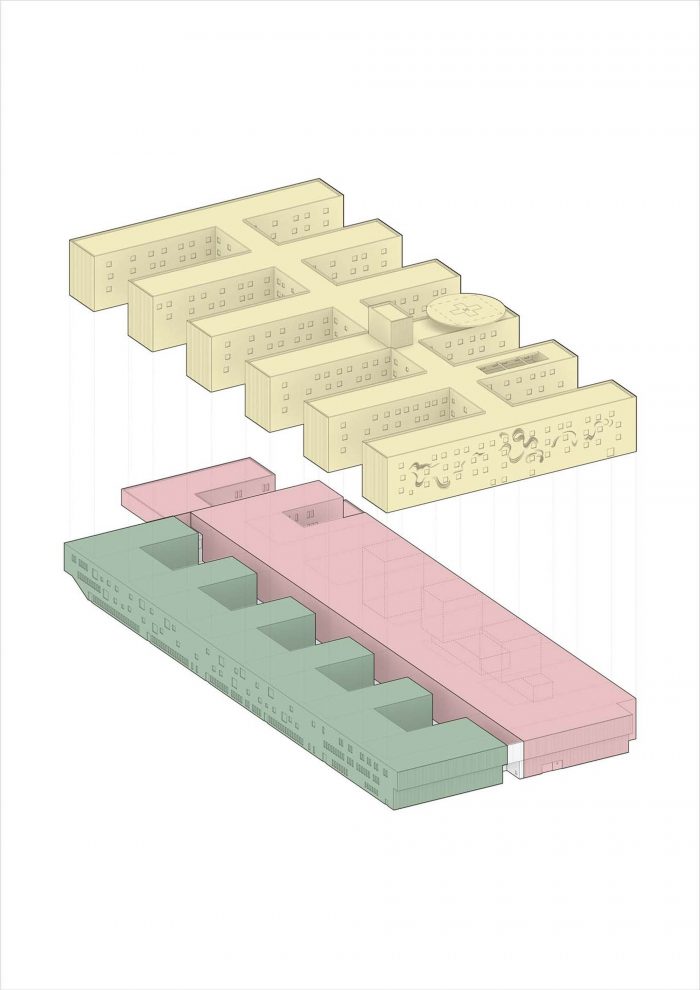
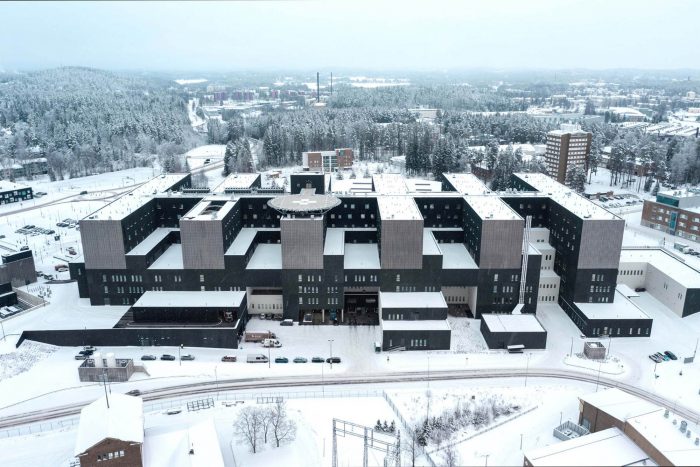
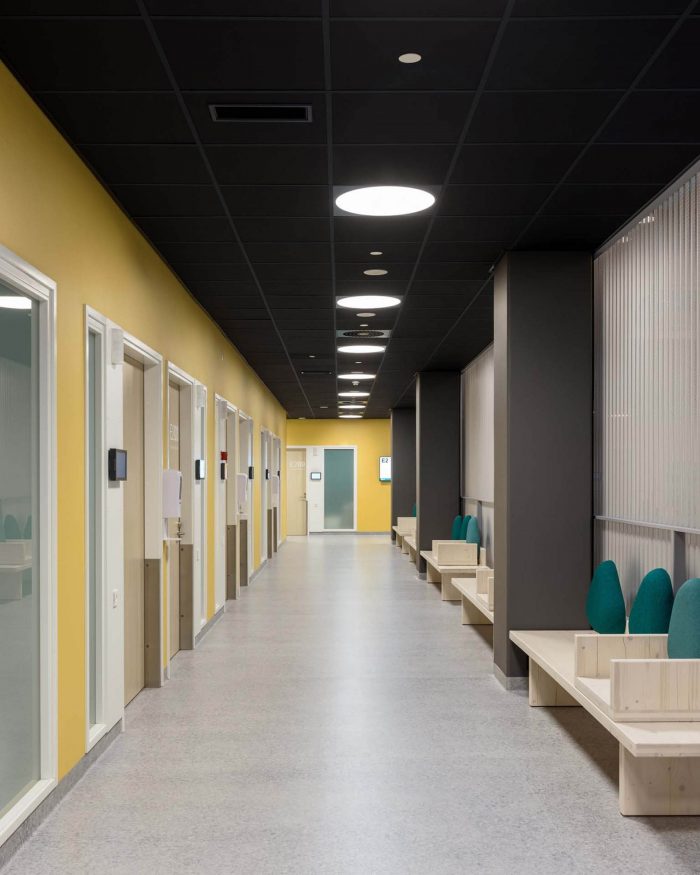
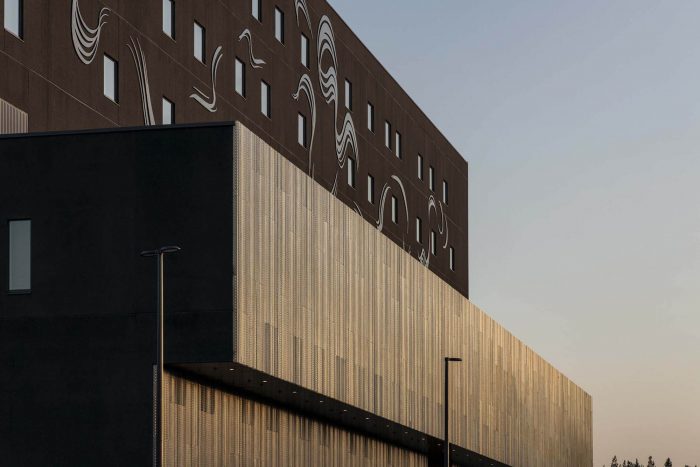
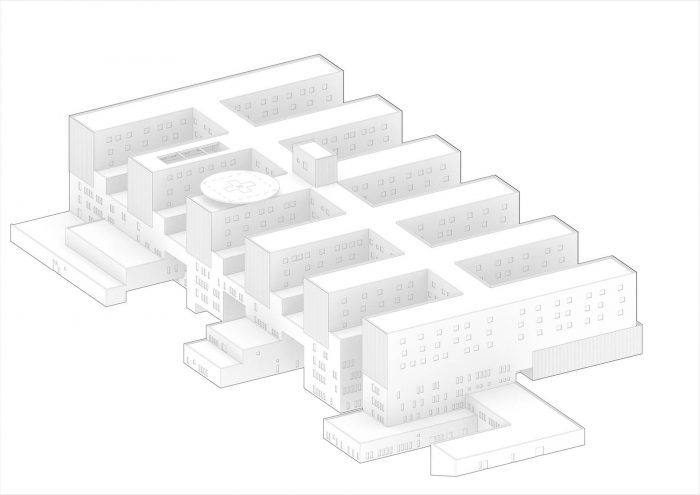
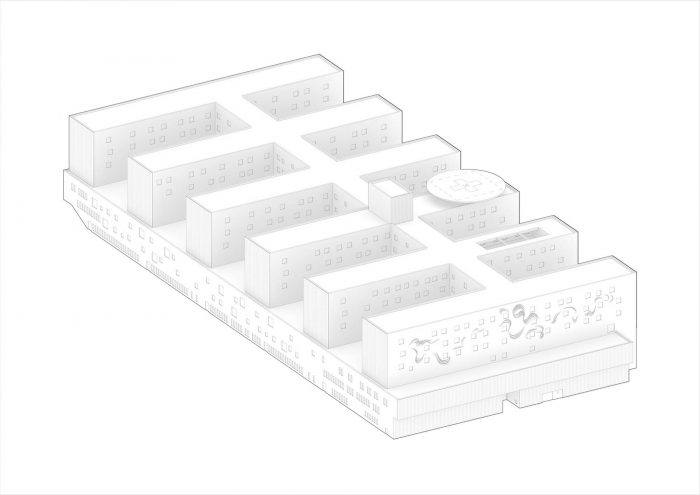
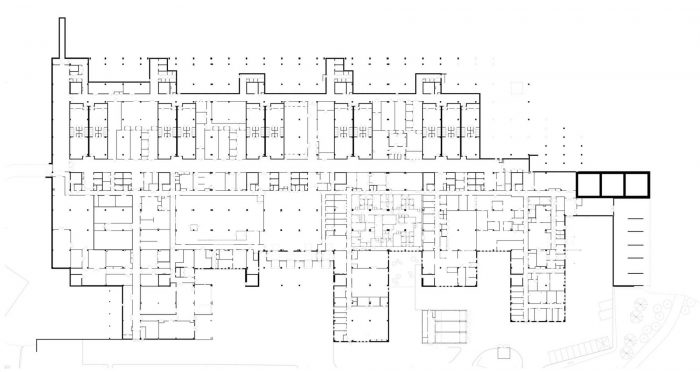
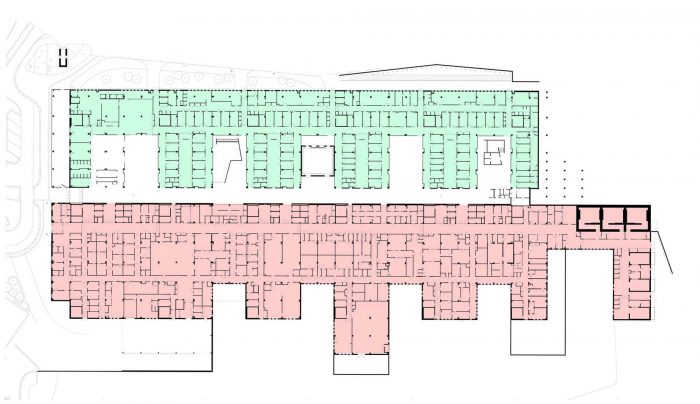
创新的概念。我们的目标是设计下一代医院,从内部创新地重新思考该建筑。新星医院不是一个单一的、大规模的、类似迷宫的建筑。相反,它被划分为四个独立的建筑类型。它们是 "热医院"(手术和专业护理)、"酒店"(病房)、"保健购物中心"(门诊病人)和 "工厂"(支持功能)。这种模式有几个好处,从提供更好的病人护理到更有效的物流。一家大型医院就像一个小城市。它需要合理的组织。为了实现这一点,我们为Hospital Nova开发了一个新的操作系统。
Innovative Concepts. The aim was to design the next generation hospital, rethinking the building innovatively from within. Hospital Nova is not a single, large-scale and maze-like building. Instead, it is divided into four separate building typologies. These are ‘Hot Hospital’ (surgeries and specialised care), ‘Hotel’ (wards), ‘Health Care Shopping Mall’ (outpatients) and ‘Factory’ (supporting functions). This model has several benefits, from providing better patient care to more efficient logistics. A large hospital is like a small city. It needs logical organisation. To achieve this, a new operating system was developed for Hospital Nova.
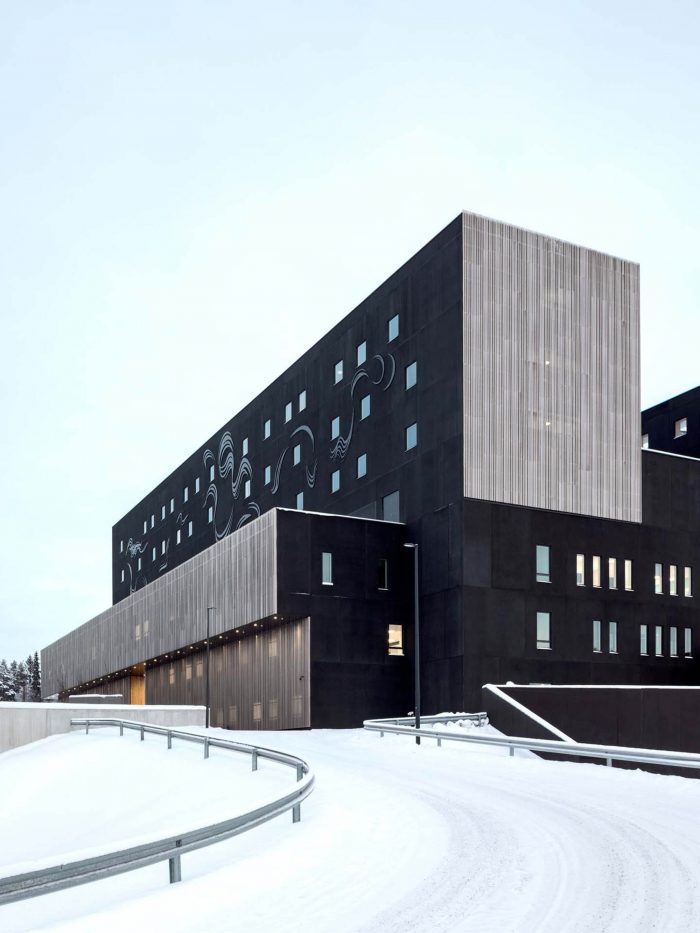

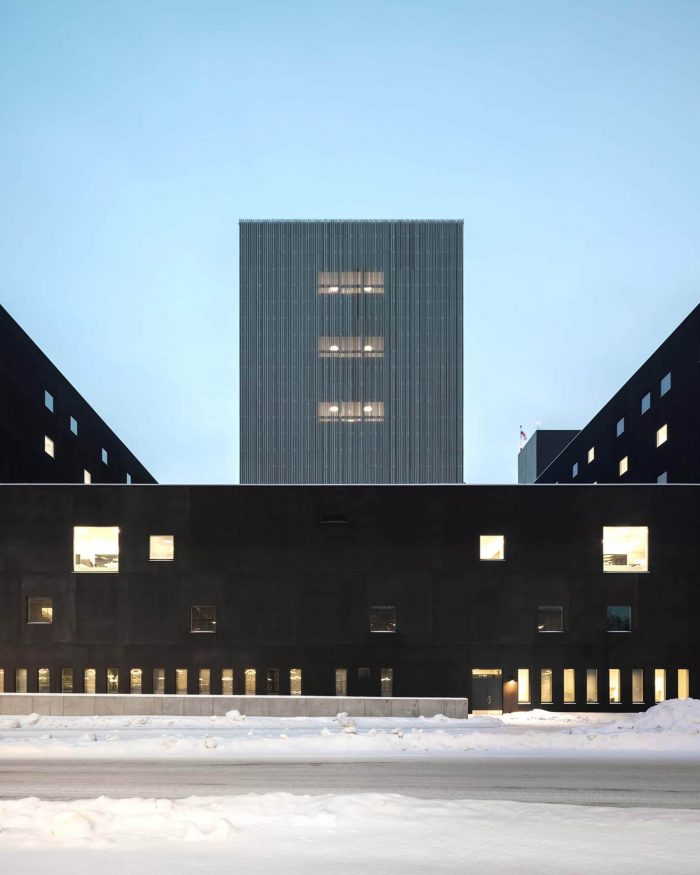
自20世纪50年代以来,医院的主导建筑模式一直是 "带裙楼的塔楼"。这种模式是在医疗保健围绕着让病人长期躺在床上而进入的。因此,床位的数量需要最大化,塔楼也越来越高。今天,医疗保健的目标是让病人在医院的时间尽可能短,平均只有2天。因此,未来的医院需要围绕护理流程和最小化床位来建设。为了实现这一目标,医院需要一个新的操作系统。在Hospital Nova,其模式类似于购物中心和机场。医院的所有功能都沿着一个长长的公共中庭组织起来。
Since the 1950s, the dominant architectural model for hospitals has been “tower with a podium”. This model was created when healthcare was entered around keeping patients in beds for a long time. As a result, the number of beds needed to be maximised and towers grew higher. Today, health care aims to keep patients in the hospital for as short a time as possible, on average only two days. So, the future hospital needs to be built around care processes and minimising beds. To achieve this, hospitals need a new operating system. In Hospital Nova, the model is similar to shopping malls and airports. All hospital functions are organised along a long public atrium.
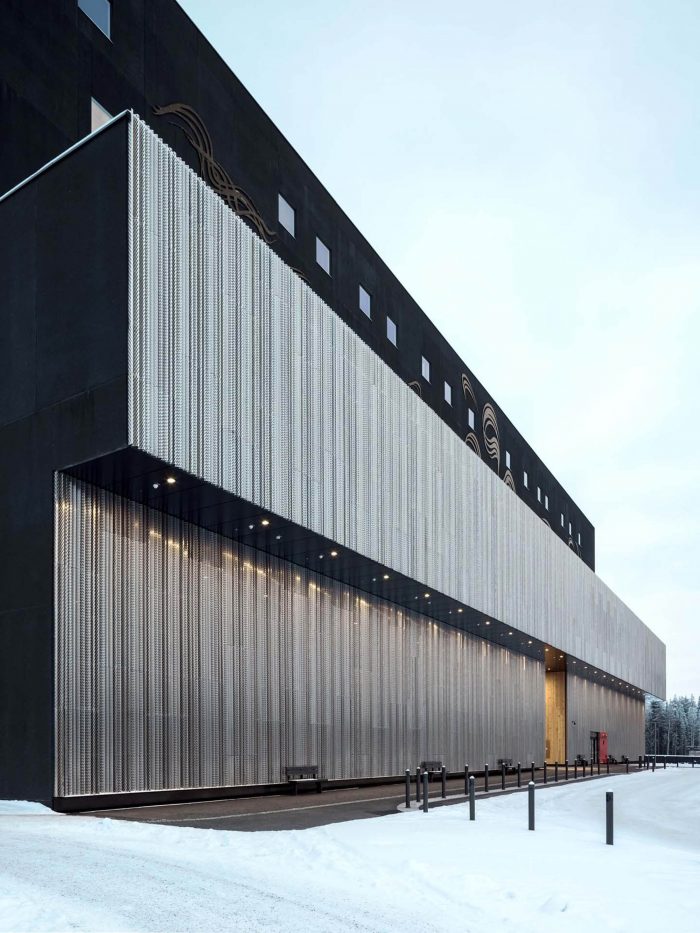
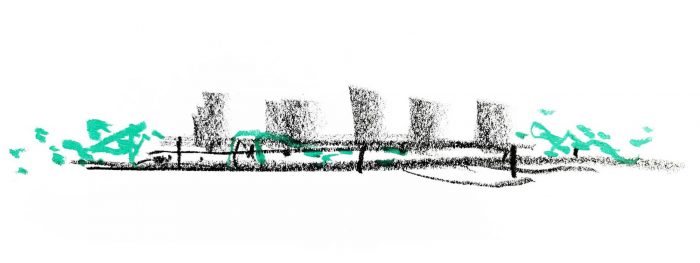
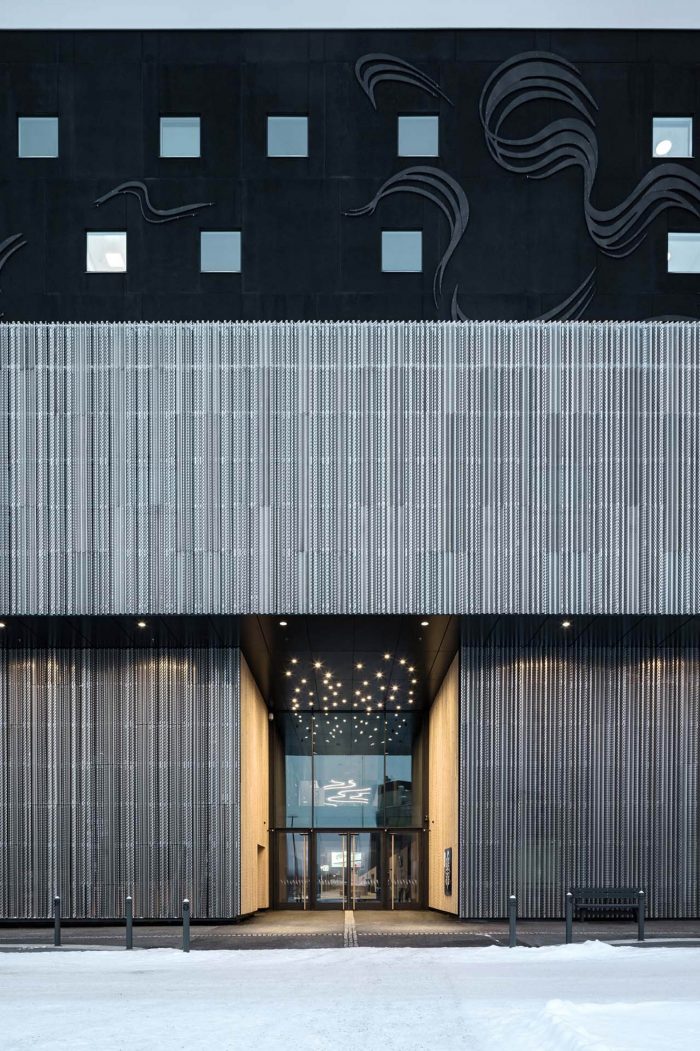
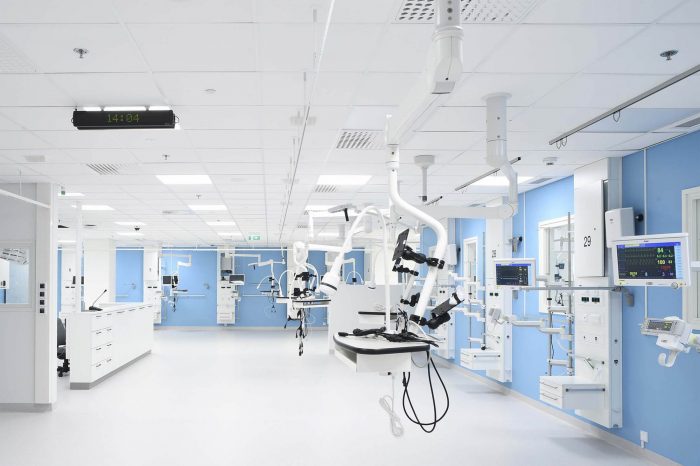
一个独特的芬兰'热医院'概念是为Hospital Nova开发的。热点医院 "意味着所有24/7的 "热点 "功能都聚集在一个优化的功能单元(急诊、诊断、重症监护室和手术)。这只占用了医院总面积的25%。因此,与老式医院相比,现代医院的关键功能被安排得更加紧凑和有效。危重病人通道确保了急诊病人快速转移到手术室,这也是由JKMM设计的。还为门诊部开发了一种新模式。这些部门被设计成一个 "健康护理购物中心",所有360个诊室都沿着主要的内部中庭排列。诊室是标准化的,由不同的医疗专业人员共享。病人呆在同一个诊室里,而不是从医院的一个地方移到另一个地方,由医生和护士到那里去看他们。
A unique Finnish ‘Hot Hospital’ concept was developed for Hospital Nova. ‘Hot Hospital’ means that all 24/7 ‘hot’ functions are gathered into one optimised functional unit (emergency, diagnostics, intensive care units, and surgery). This occupies just 25% of the total area of the hospital. The key functions of the modern hospital are thus arranged in a much more compact and effective way compared to old hospitals. A Critical Patient Pathway ensures rapid movement of emergency cases to operating theatres, also designed by JKMM. A new model was also developed for Outpatient departments. These are designed as a ‘Health Care Shopping Mall’ in which all 360 consultation rooms are arranged along the main interior atrium. The consultation rooms are standardised and shared by different medical specialties. Patients stay in the same consultation room rather than moving from one part of the hospital to another, with doctors and nurses coming to see them there.
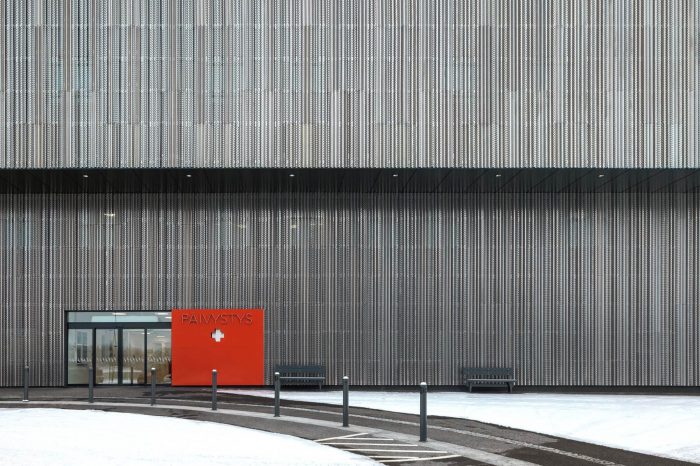
医生和护士在 "知识中心 "一起开会和工作,大大改善了医务人员之间的沟通,"知识中心 "是诊室区后面的一个大型共享工作区。这是一个有效的系统,使来自不同领域的医疗专家能够相互咨询,从而确保对任何病人进行更全面的评估。对物流和工艺流程进行了重新思考,以进一步提高效率。例如,医院使用按需交付系统,将储存量降至最低。我们的目标是使物流像工厂和零售业一样高效。对物流和流程的反思将使医院的运营成本减少10%。由于1-2年的运营成本与新医院的整个建筑成本处于同一水平,因此,长期的运营支出节省是非常大的。为了适应未来的变化,Nova医院的设计要尽可能地灵活。灵活性来自于建筑的模块化结构、标准化的空间单元和技术原则。随着医疗保健的变化,该建筑已准备好迎接变化。
Communications among medical staff are greatly improved by doctors and nurses meeting and working together in the ‘Knowledge Centre’, a large shared workspace behind the consultation room zone. (There are no private staff rooms.) This is an effective system enabling medical specialists from different fields to consult each other thus ensuring a more holistic assessment of any individual patient. Logistics and process flows were rethought to further maximise efficiency. Storage, for example, is minimized with the hospital using an on-demand delivery system. The goal was to make logistics as efficient as they are in factories and retail. Rethinking logistics and processes will make it possible to cut the operating costs of the hospital by 10%. As 1–2 year operation costs are on the same level as the entire construction costs of the new hospital, long-term savings in operational outgoings are significant. To allow for future changes, Hospital Nova was designed to be as flexible as possible. Flexibility comes from the building’s modular structure, standardised spatial units, and technical principles. As health care changes, the building is ready for change.
患者至上。新医院的主要目标之一是把病人放在第一位。在如何实现这一目标方面,制定了若干战略。新星医院将初级和专业医疗服务整合到同一建筑中。普通医生和护士在整个系统内工作。所有的医疗服务都可以在这里找到。对于病人来说,这是一个轻松简单的一门式系统。
Patient First. One of the main goals of Hospital Nova is to put the patient first. Several strategies were developed in terms of how to make this happen. Hospital Nova integrates primary and specialised health care into the same building. General doctors and nurses work within the whole system. All health care services can be found here. For patients, this is an easy and simple one-door system.
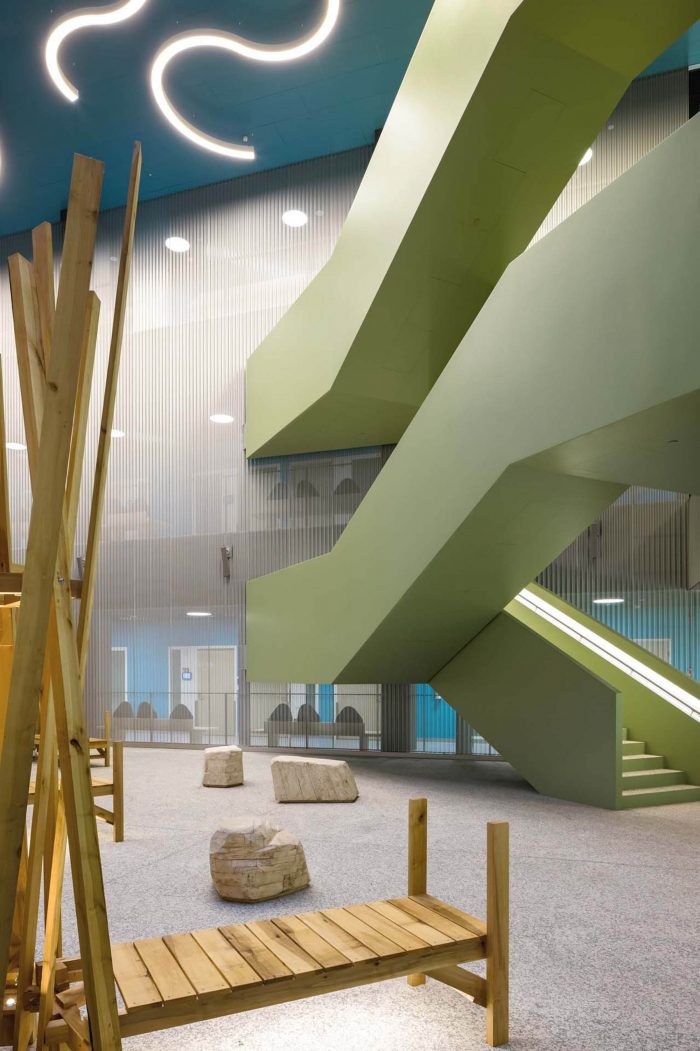
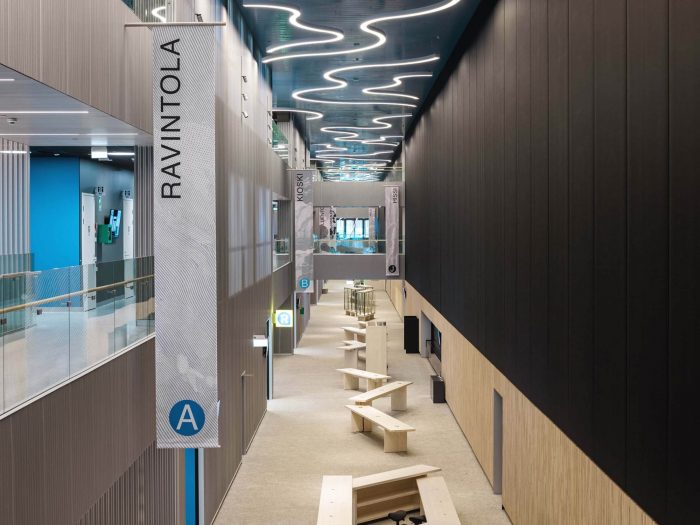
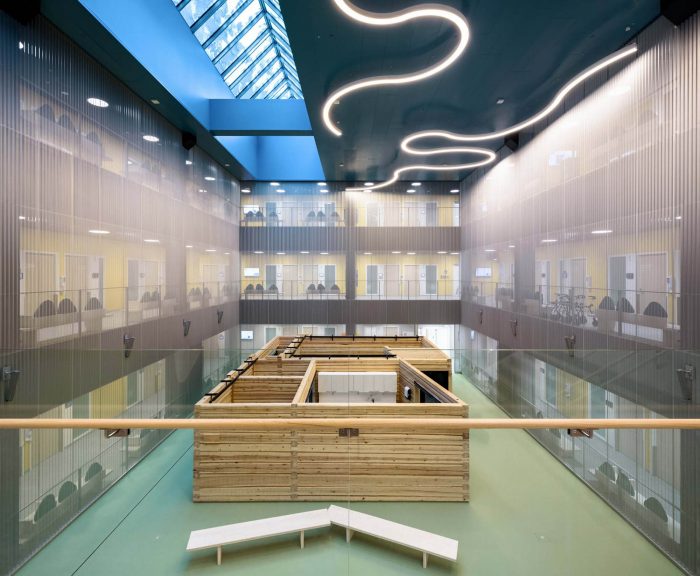
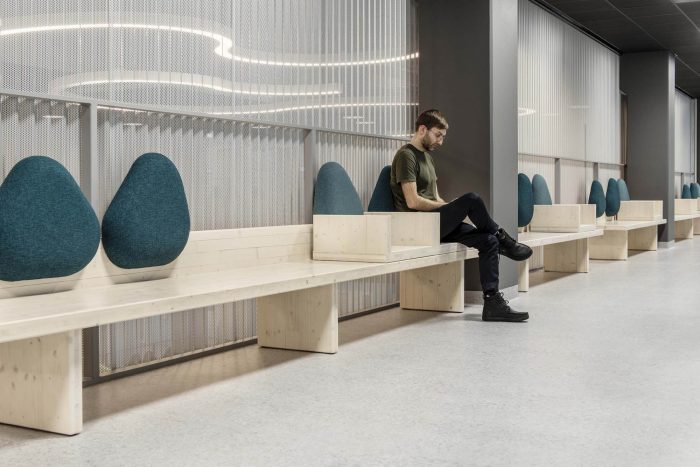
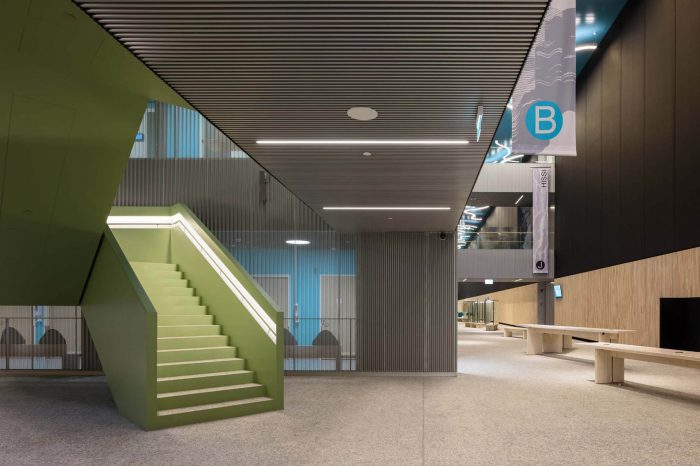
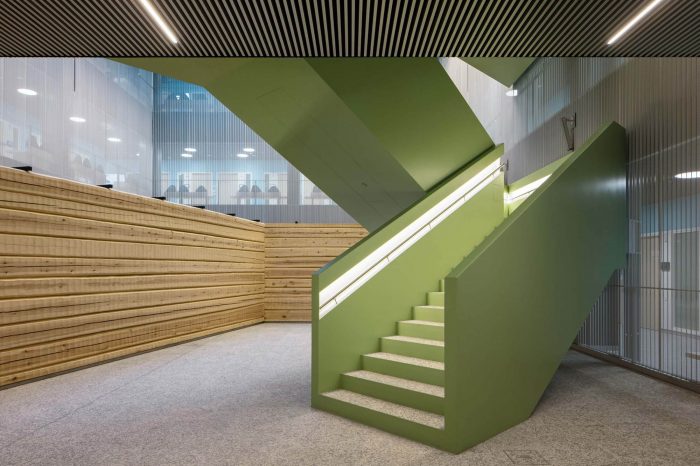
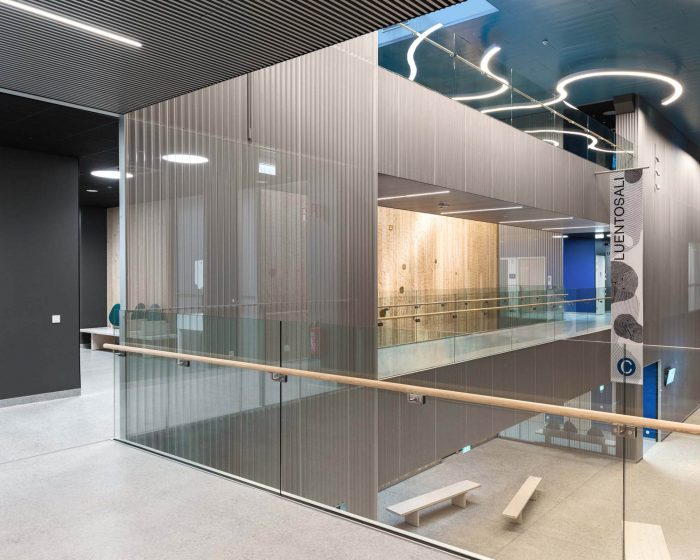
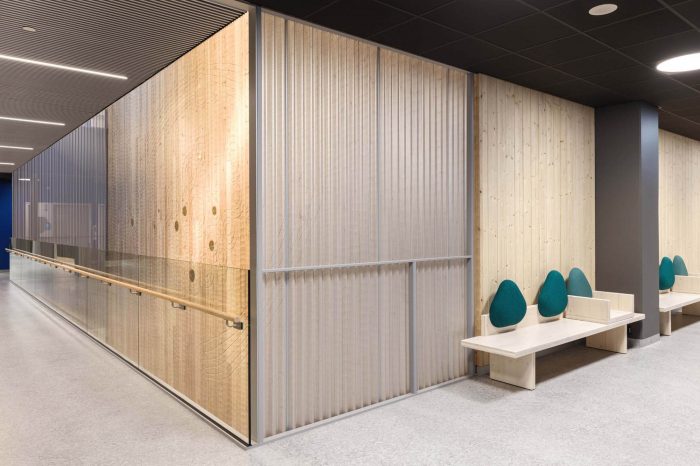
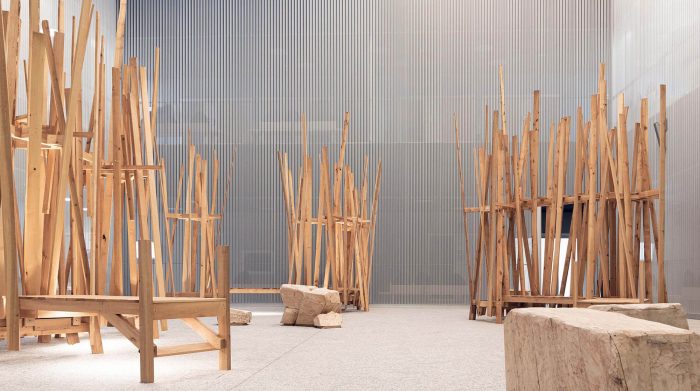
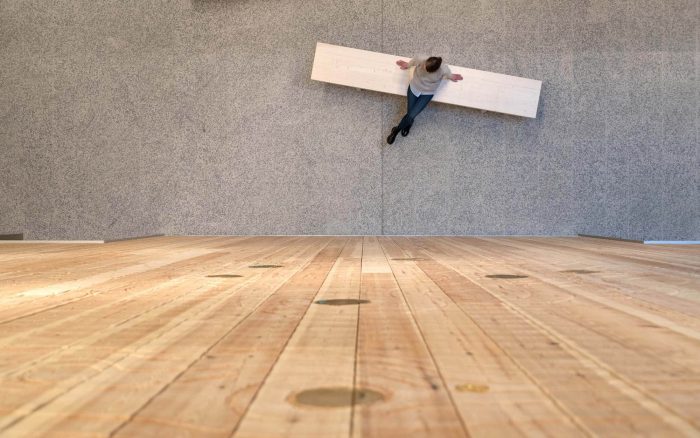
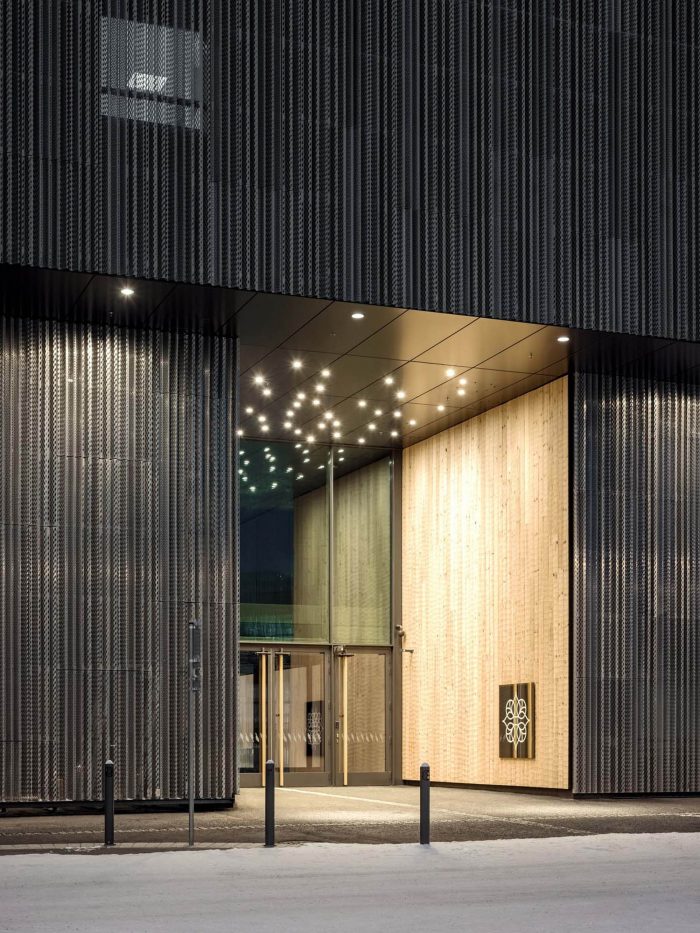
主要的内部空间--Nova医院的核心--是友好和诱人的,其三层楼高的中庭感觉更像是一个画廊或购物中心,而不是传统的医院内部。在Hospital Nova,你不会迷路。大楼的规划和布局非常清晰。游客可以通过不同部门的视线,轻松地确定自己的方向。主入口通向一个顶部照明的中庭,该中庭通向餐厅、研讨会室、艺术庭院和一个木屋亭。对于儿童来说,还有一个使用原木结构设计的开放区域游乐场。医院的大多数等候区都被设计成可以看到风景和自然光。
The main internal space - the heart of Hospital Nova - is friendly and inviting, its three-storey atrium feeling more like a gallery or shopping centre rather than a traditional hospital interior. In Hospital Nova, you will not get lost. The plan and layout of the building are clear. Visitors can orient themselves easily thanks to sightlines through different departments. The main entrance leads to a top-lit atrium that opens onto a restaurant, seminar room, art courtyard, and a log cabin kiosk. For children, there is also an open area playground designed using log structures. Most waiting areas in the hospital are designed so that they have views and natural light.
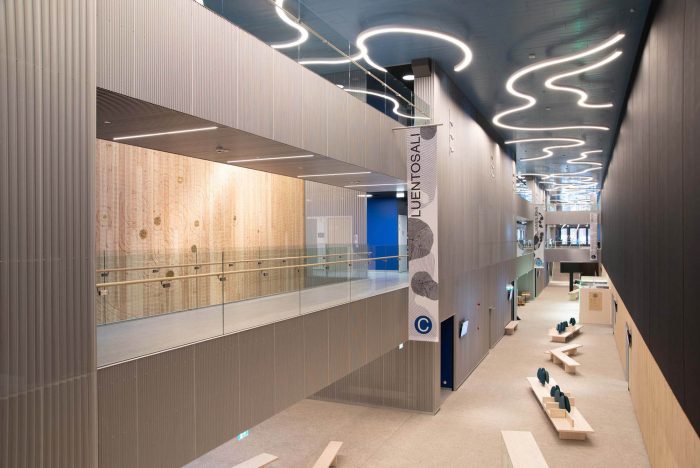
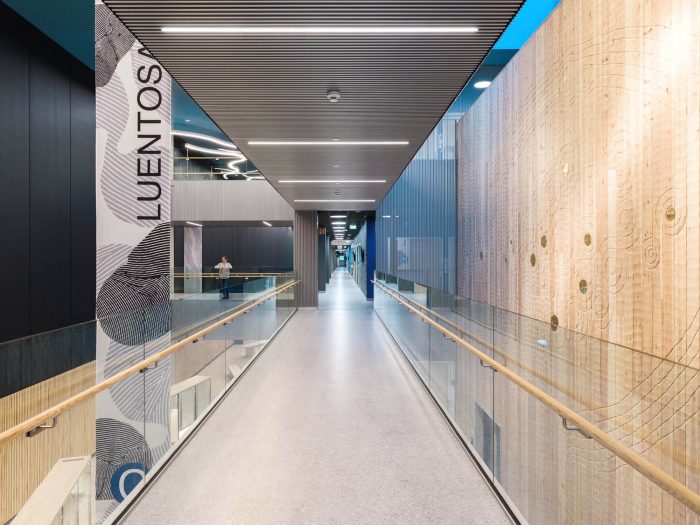
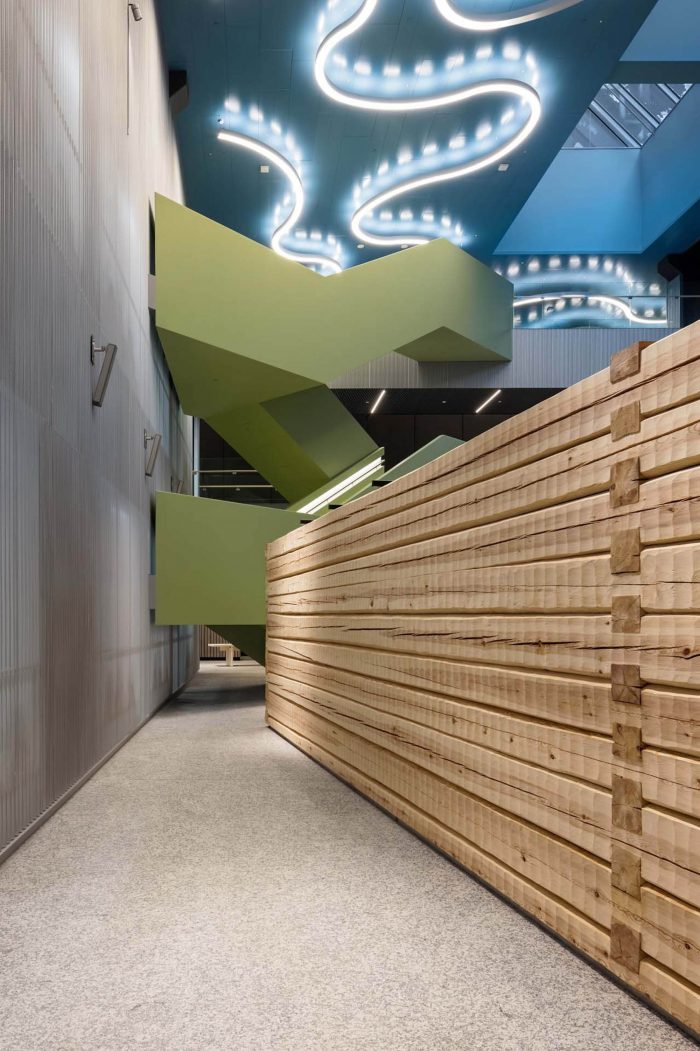
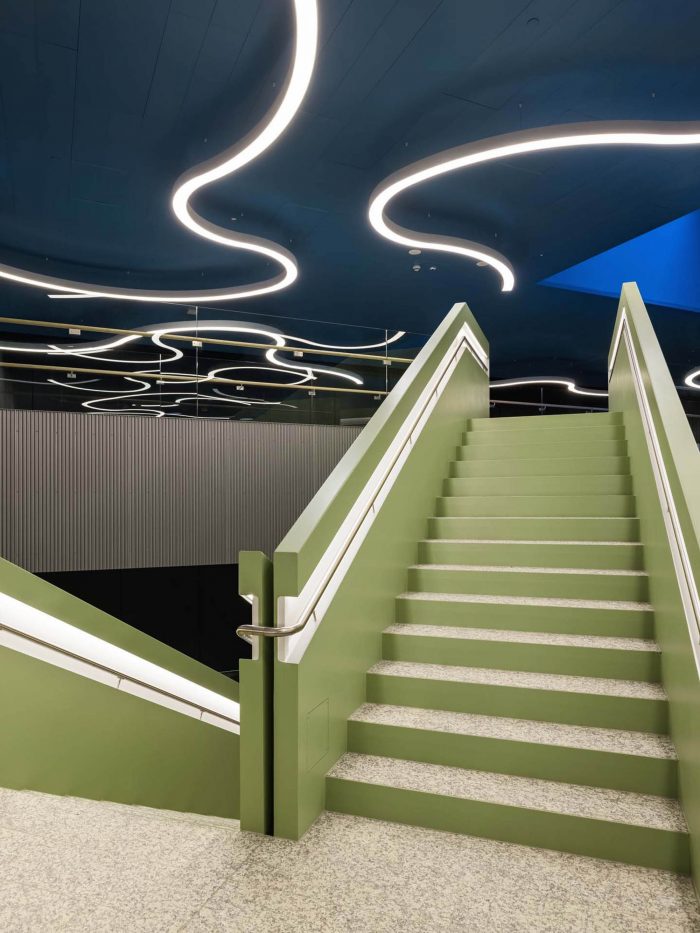
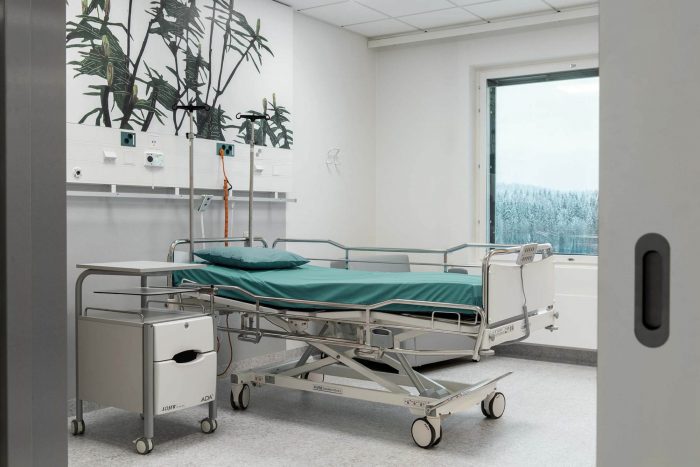
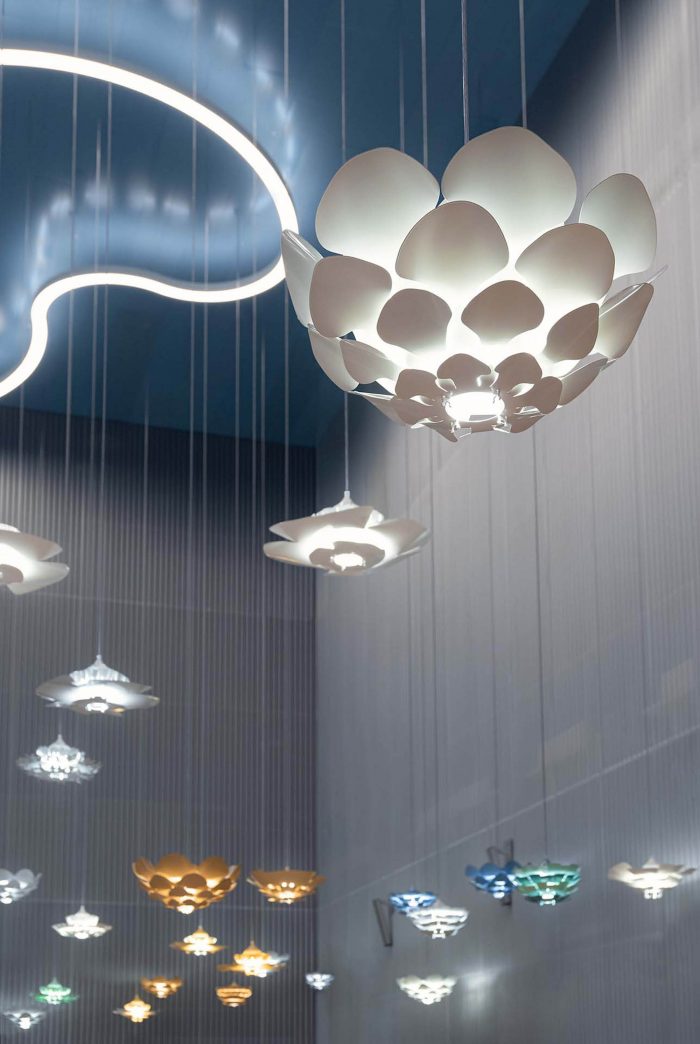
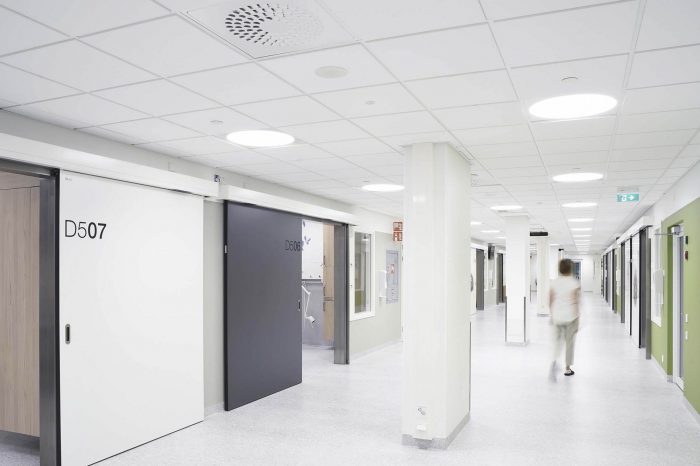
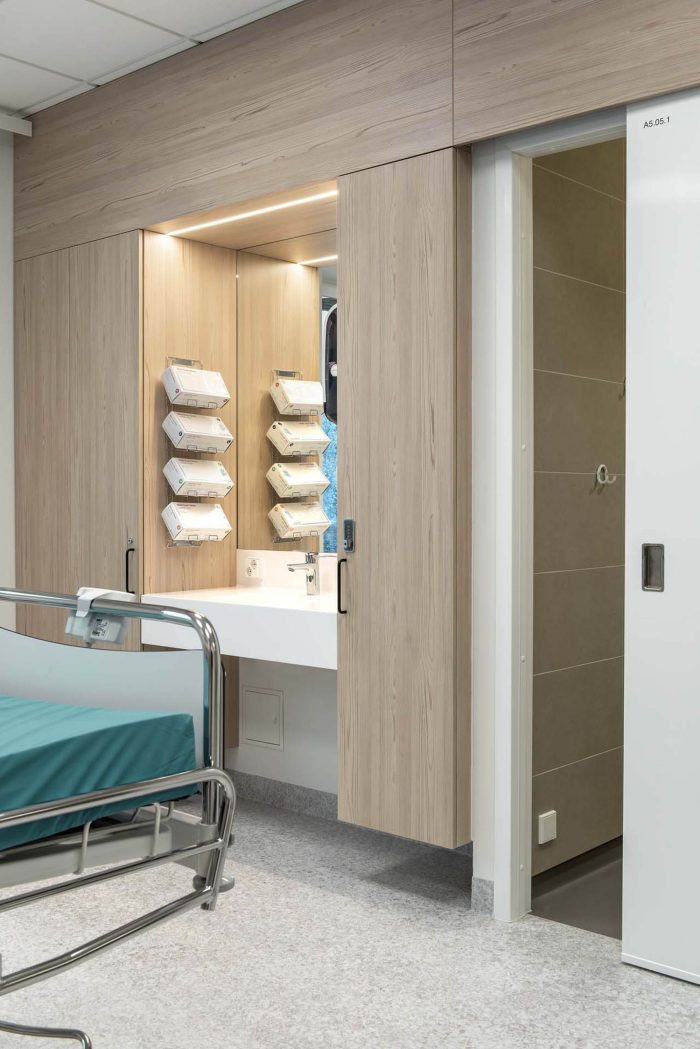
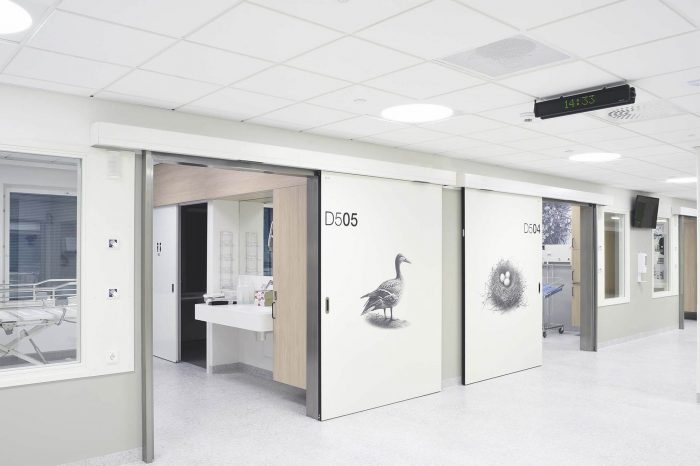
医院的人工照明是以一种易于观看的方式进行的,并与室内装修相得益彰。蛇形的白色顶灯邀请访客、病人和工作人员穿过建筑。主要公共楼梯的扶手被艺术性地照亮,使室内充满生气,并进一步引导人们穿过医院。病房里的所有病人房间都是单人房,有独立的卫生间,并为过夜的访客提供服务。在酒店式的氛围中,病人几乎可以忘记他们是在医院里。单人病房很灵活,提供了一个治疗环境、隐私和良好的睡眠,同时最大限度地减少了感染。
Artificial lighting in the hospital is subdued in a way that is easy on the eye and complements the interiors. A serpentine white ceiling light invites visitors, patients, and staff through the building. Handrails of the main public staircases are artfully lit to animate the interior and to further guide people through the hospital. All patient rooms in the wards are single-occupancy with en-suite bathrooms and provision for overnight visitors. With a hotel-like ambiance, patients can almost forget that they are in a hospital. Single-occupancy rooms are flexible, offering a healing environment, privacy, and a good night’s sleep while minimising infections.
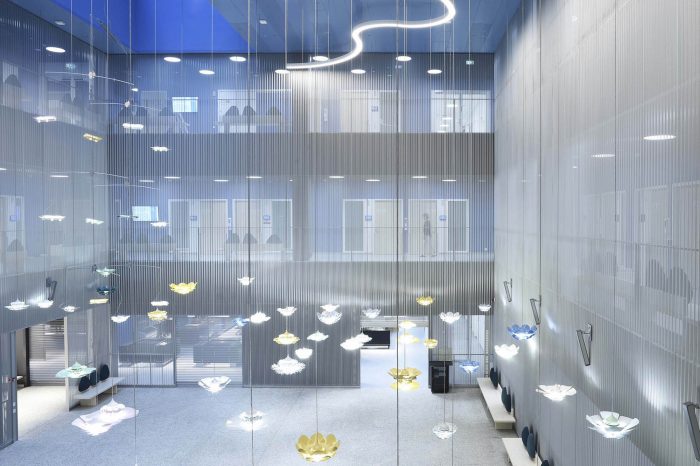
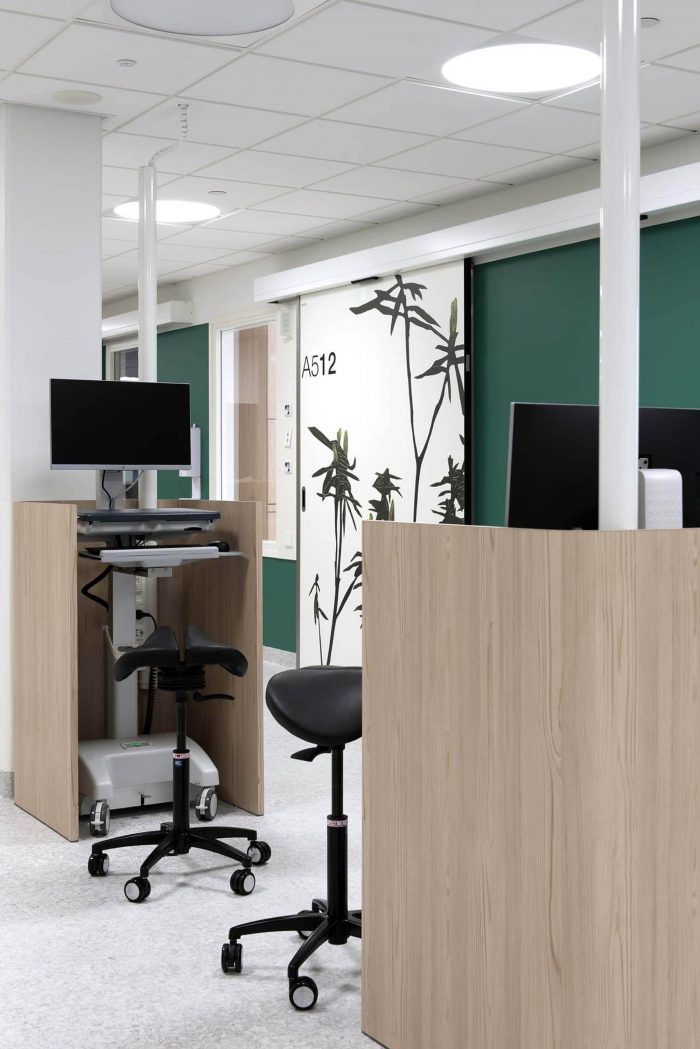
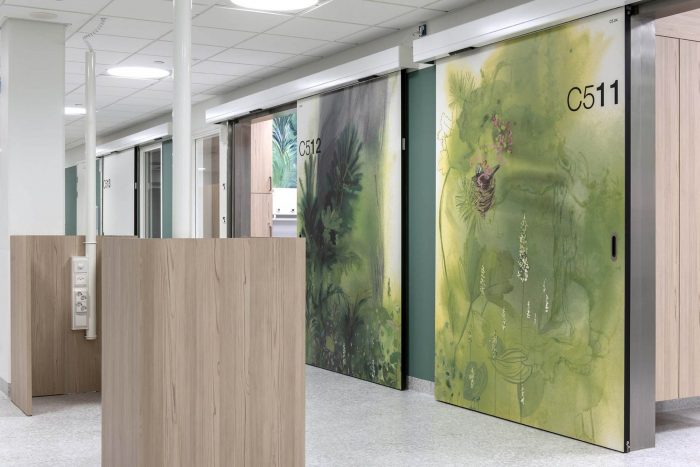
项目建筑师Juho Pietarila说:"我们的首要任务是设计一个医院建筑,尽管它的规模很大,但病人在其中容易使用和定位。在进入建筑时,也不会立即看出你在进入一家医院。这就是为什么Hospital Nova确实挑战了关于医院设计以及医院可能的外观和感觉的成见"。新星医院地区以其风景优美的湖泊和地区而闻名,是四个国家公园的所在地。为了使这家大型医院更加人性化,自然被选为医院内部装修的中心主题。颜色、灯光和艺术作品都讲述了与自然有关的故事。为了将病人的体验放在首位,Nova医院委托了大量的艺术作品。
Project architect Juho Pietarila says, “Our priority was to design a hospital building that is easy for patients to use and orient themselves in, despite its massive size. On entering the building, it is also not immediately apparent that you’re entering a hospital. This is why Hospital Nova really does challenge preconceptions about hospital design and how hospitals might look and feel.” The Hospital Nova region is known for its scenic lake and district and is home to four national parks. To make the large hospital more human, nature was selected as the central theme for the hospital interiors. Colours, lights, and artworks all tell stories connected to nature. A large variety of artworks was commissioned for Hospital Nova, to put the patient experience first.
JKMM室内建筑师劳拉-哈迈莱宁说:"大自然的积极和疗效是众所周知的,这就是为什么我们被吸引到于韦斯屈莱附近的国家公园来设计我们的室内设计概念。当然,附近的松树林、山丘和湖泊对使用医院的人来说是熟悉的,在建筑的内部引用这些东西创造了一种有意义的联系,对热爱自然的芬兰人来说更是如此。" JKMM的创始合伙人和Hospital Nova的首席建筑师Teemu Kurkela总结了这个项目:"我们与医院有一个共同的愿景,就是创造一个未来的芬兰医院。作为医院设计界的局外人,我们发现开发新的概念性、功能性和技术性创新是令人激动的。同时,我们希望有一个把病人放在第一位的建筑。以芬兰自然为主要设计主题,有助于创造一个温馨和人性化的空间,一个治愈的医院环境"。
JKMM Interior Architect Laura Hämäläinen says, “The positive and healing effects of nature are well known, and this is why we were drawn to looking at the national parks near Jyväskylä for our interior design concept. The nearby pine forests, hills and lakes are, of course, familiar to those using the hospital, and references to these in the building’s interior creates a meaningful connection and especially so for nature-loving Finns. ” Founding partner at JKMM and lead architect of Hospital Nova, architect Teemu Kurkela sums up the project, “We shared a vision with the hospital to create a future Finnish hospital. As outsiders to hospital design circles, we found it exciting to develop new conceptual, functional and technical innovations. At the same time, we wanted an architecture that puts the patient first. Finnish nature as the main design theme helped to create a welcoming and human spaces, a healing hospital environment.”
Architects: JKMM Architects
Area: 116000 m²
Year: 2020
Photographs: Tuomas Uuusheimo, KUVIO M Sommerschield, Hannu Rytky, Studio Juha Sarkkinen, Pauliina Salonen
Lead Architect: Teemu Kurkela
Architect Safa:Asmo Jaaksi, Samuli Miettinen, Juha Mäki-Jyllilä, Aaro Martikainen, Anna Melander, Christopher Delany, Marko Salmela, Päivi Aaltio, Ville Hassi
Assisting Architect:Riikka Heldan
Project Architect:Juho Pietarila
Architects:Alli Bur, Gerrie Bekhuis, Jaakko Saraste, Jussi Jansson, Kimmo Kirvesmäki, Marko Pulli, Olli Vaskelainen, Pekka Tynkkynen, Rainer Virtanen
Interior Architects:Laura Hämäläinen, Raisa Hämäläinen, Timo Ryttäri,
Interior Architects Sio:Veera Luostarinen, Kaisa Takala, Jorma Valkama
Designer:Peter Vuorenrinne
Client:KSSHP, Central Finland Hospital District
Design Partner:EGM architects
Project Management:SRV
Construction Consultant:Ramboll CM Oy
Structural Design:Ramboll Finland Oy
Electrical Engineering:Easytec Oy, Ramboll Finland Oy
Geotechnical Engineering:Ramboll Finland Oy
Audiovisual Design:Ramboll Finland Oy
Graphic Design / Signage:Aimonomia Oy
Acoustics Engineer:Akukon Oy
Signage Design:Avaava Oy, Werklig Oy
Water And Waste Management:Ecosir Group
Helipad:FinnHEMS Oy
Hvac Consultans:Granlund Oy
Bim Design:Gravicon Oy
Landscape Design:Loci Maisema-Arkkitehdit Oy
Fire Consultant:Paloässät Oy
Kitchen Design:Suurkeittiö-Insinööritoimisto Rita Pulli Oy
Transport Planning:WSP Finland Oy
City:Jyväskylä
Country:Finland