布拉格艺术馆的电气化的过去和现在。最初,曾格大楼里有很多技术设备,用于将电力转化为直流电,为布拉格的有轨电车供电。
Originally, the Zenger building was filled with technological equipment for transforming electricity into the direct current used to power the trams of Prague.
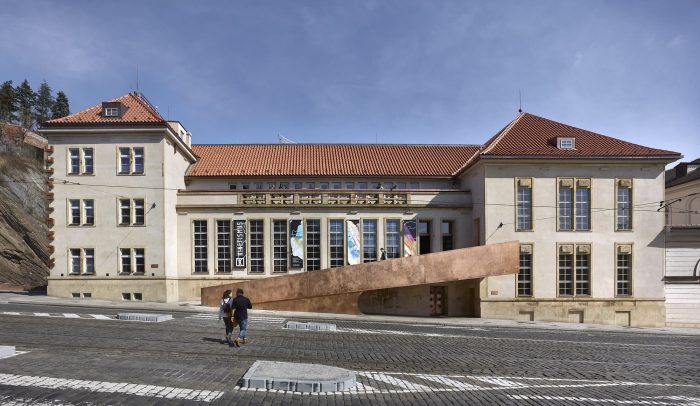
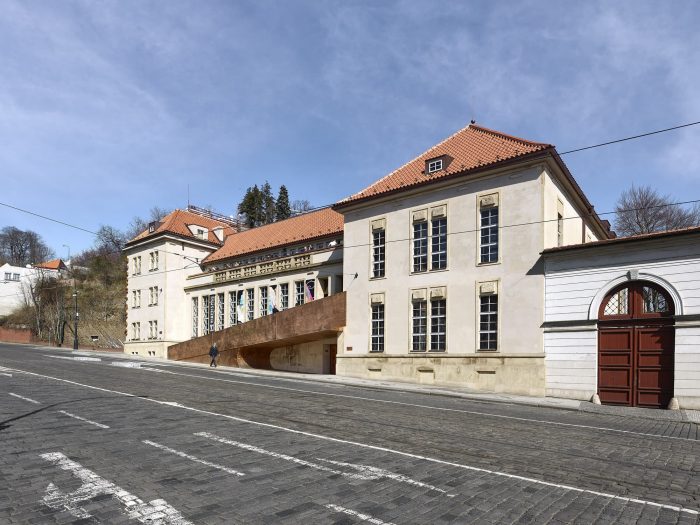
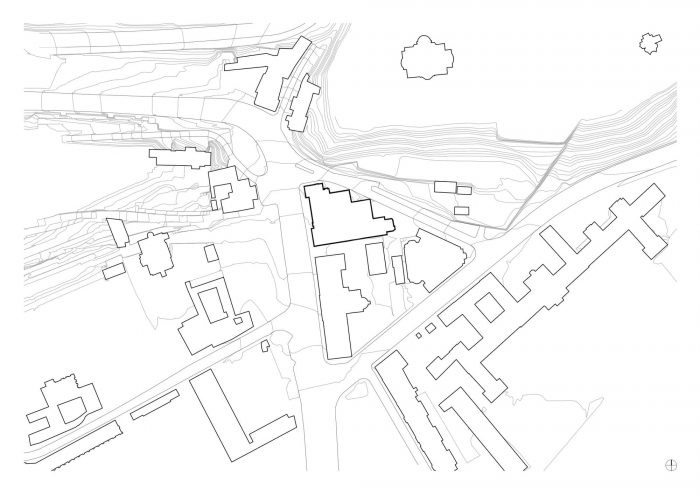
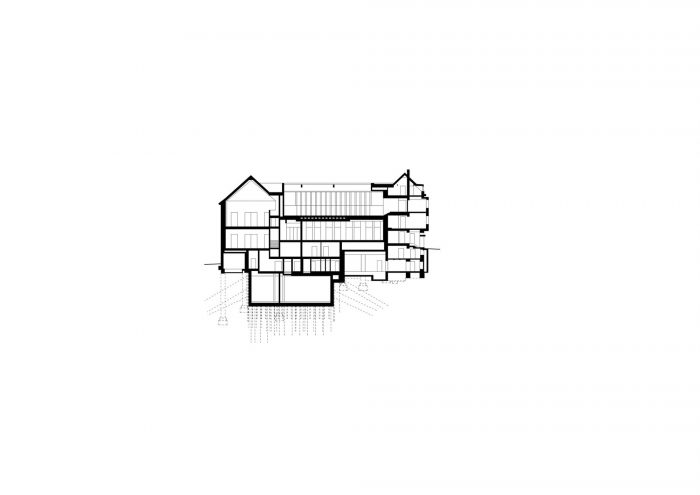
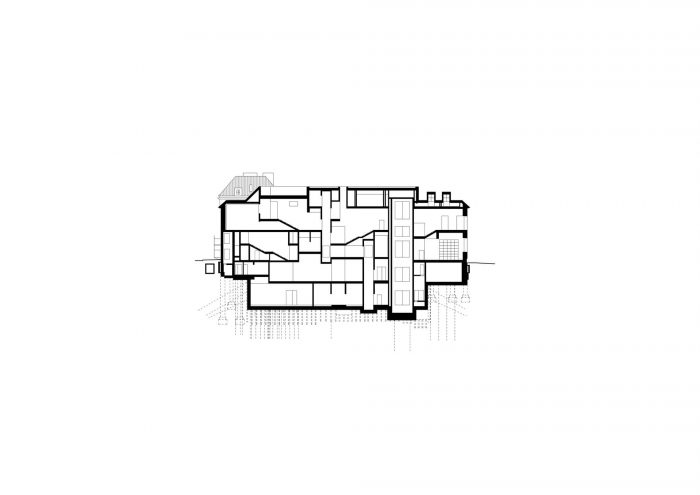
转换站的现代化意味着所有的技术现在只位于地下的一小部分。因此,几乎整个建筑都被释放出来用于新的功能用途。20世纪30年代的新古典主义风格的换电站,位于老城堡台阶对面的小城,在改造工程开始之前,其技术状况是灾难性的,主要问题是使用了铝水泥制成的混凝土,80年后,其强度参数显示出临界值,特别是在柱子中,必须被拆除。此外,还有与油和汞污染有关的重大问题。
The modernization of the converter station means that all technology is now located in a small part of the underground only. As a result, virtually the whole building has been freed up for new functional use. The neo-Classicist converter station from the 1930s, located in the Lesser Town across from the Old Castle Steps, was in disastrous technical condition before conversion work began, the main problem being the use of concrete made of aluminous cement, which, after 80 years, showed critical strength parameters, especially in the columns, which had to be removed. There were also significant problems relating to contamination by oils and mercury.
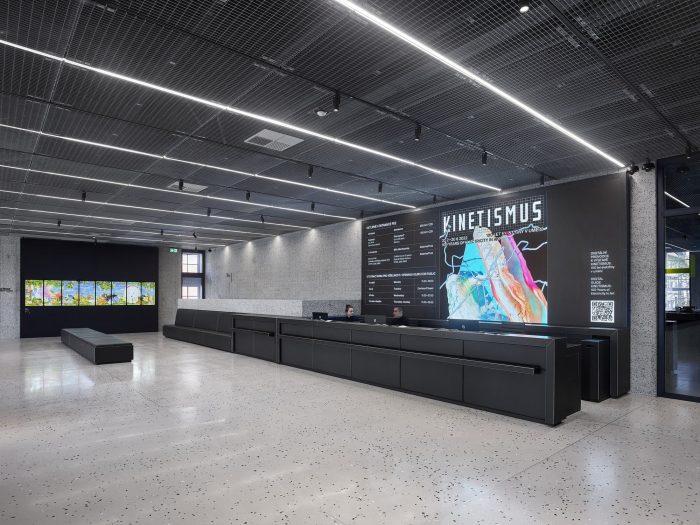
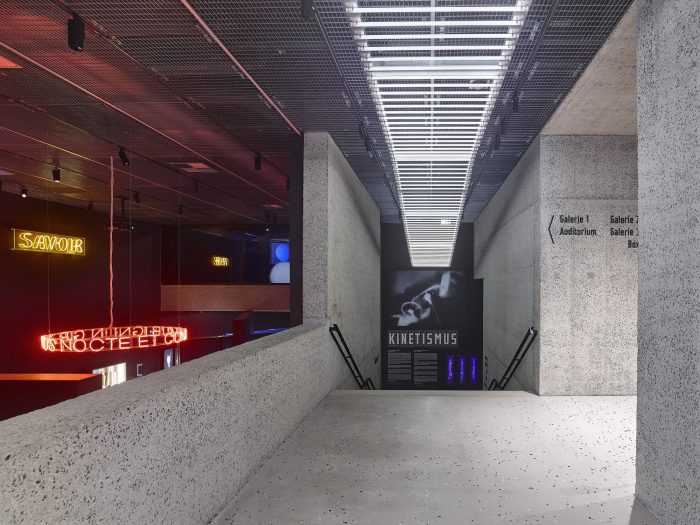
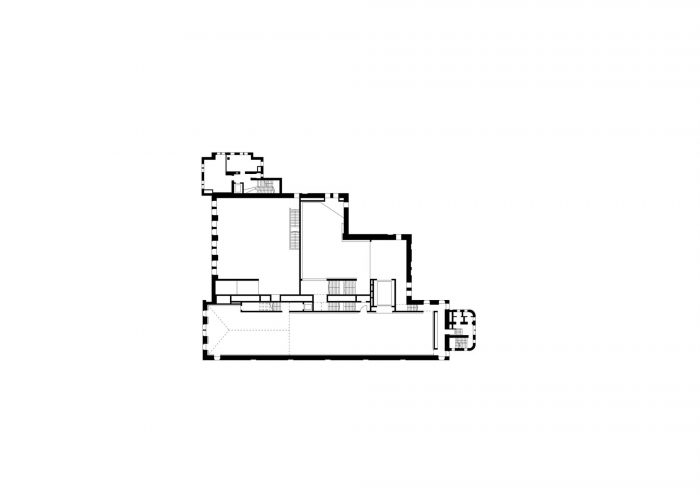
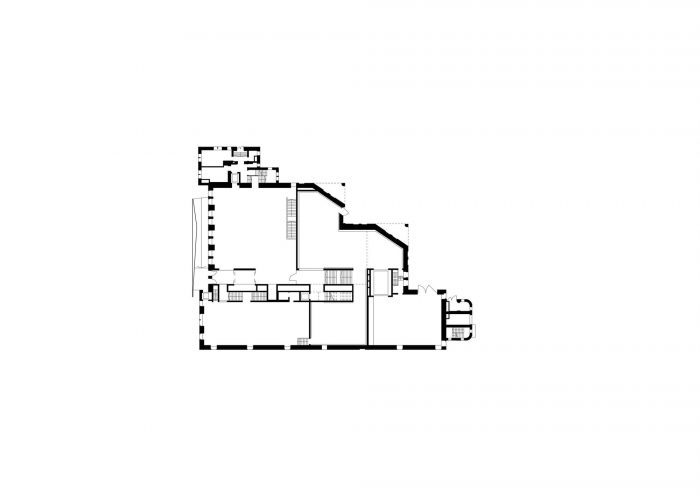
改为画廊。将原来的技术建筑改造成艺术博物馆的目的是最大限度地保留建筑的原始外部形状和外墙。其基本思想是摆脱近年来不敏感和不适当的干预,让经过专业修复的特色元素凸显出来。
Conversion to a gallery. The conversion of what was originally a technical building into a museum of art aims to preserve the original external shape of the building and its facade to the maximum possible extent. The fundamental idea is to rid it of insensitive and inappropriate interventions from recent years and allow characteristic elements that have been professionally restored to come to the fore.
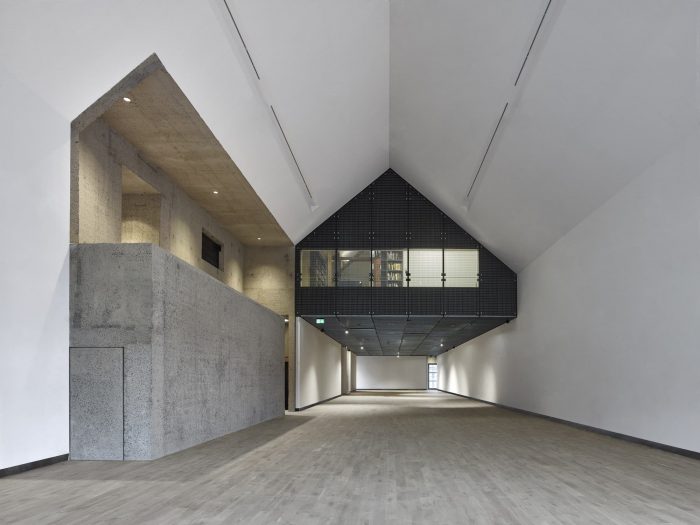
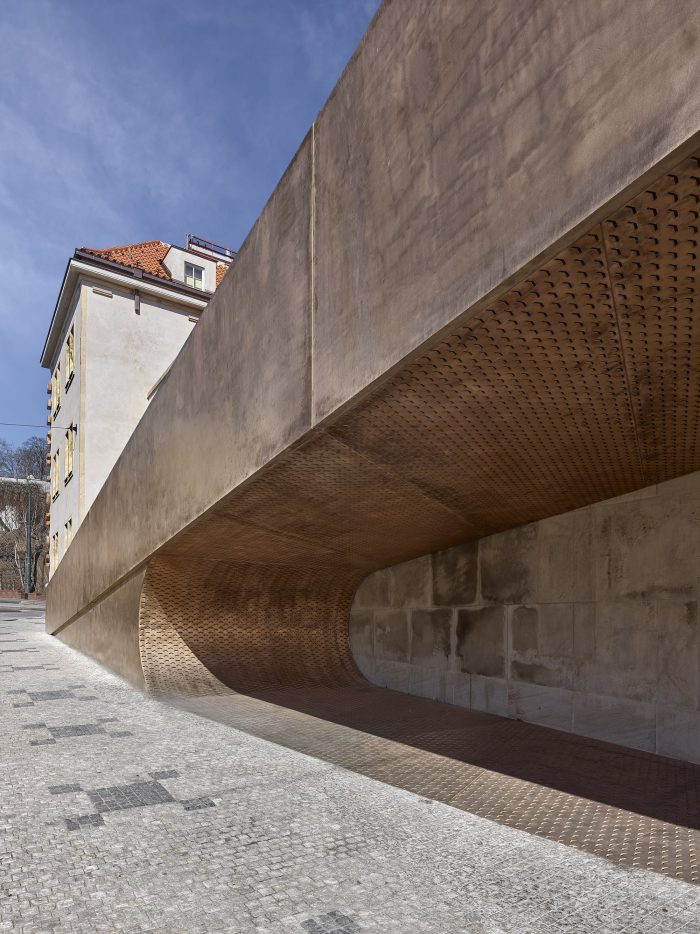
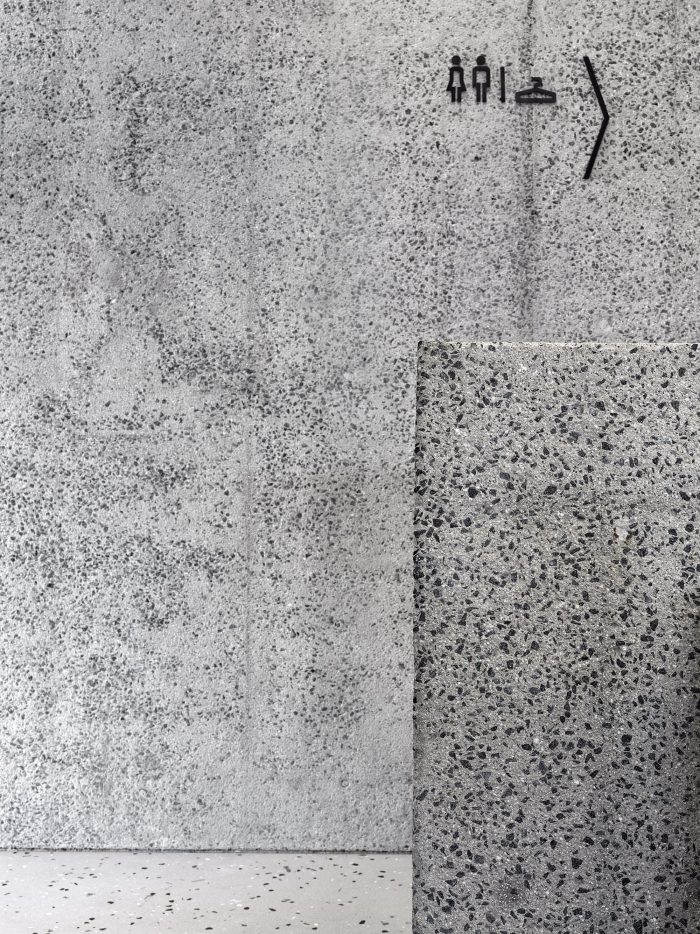
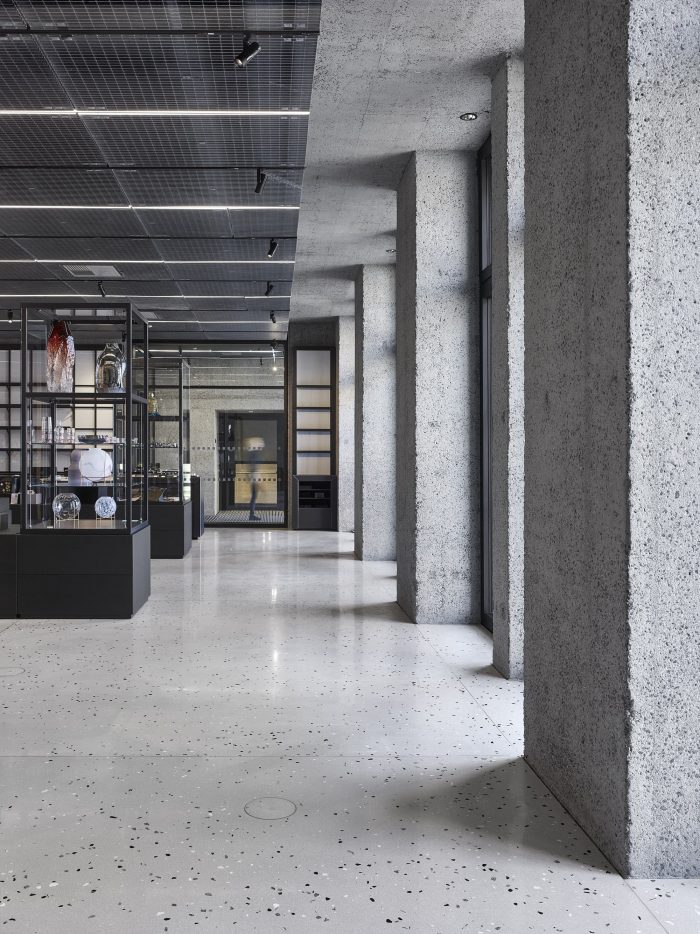
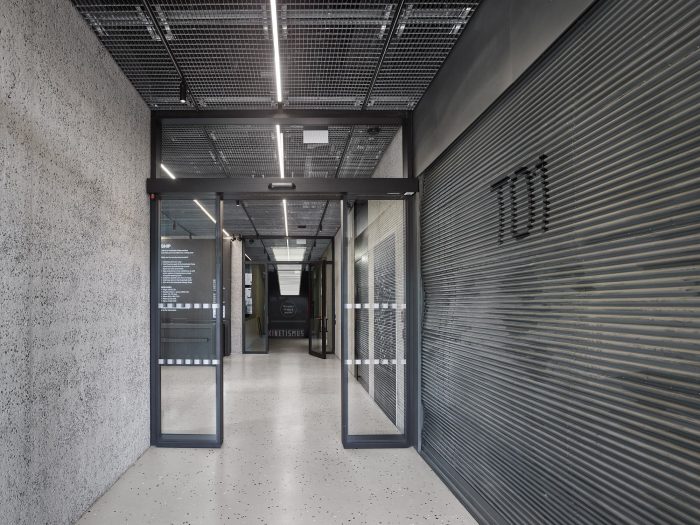
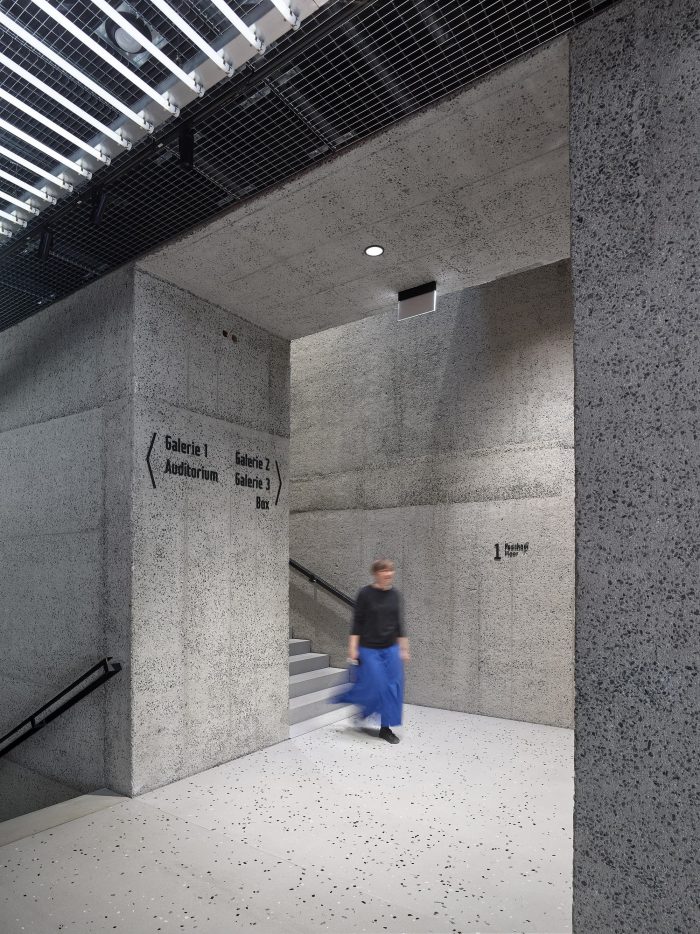
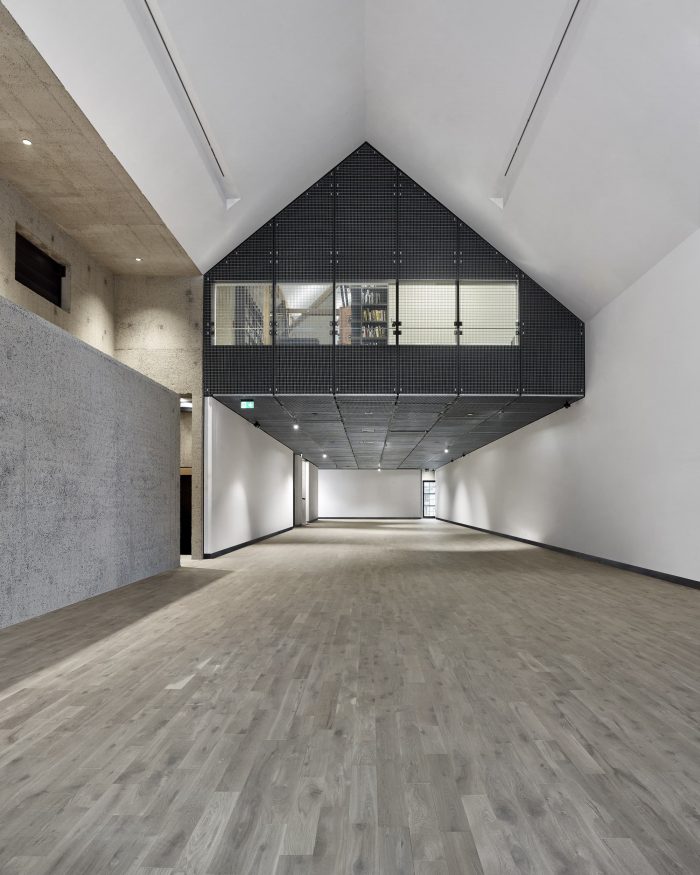
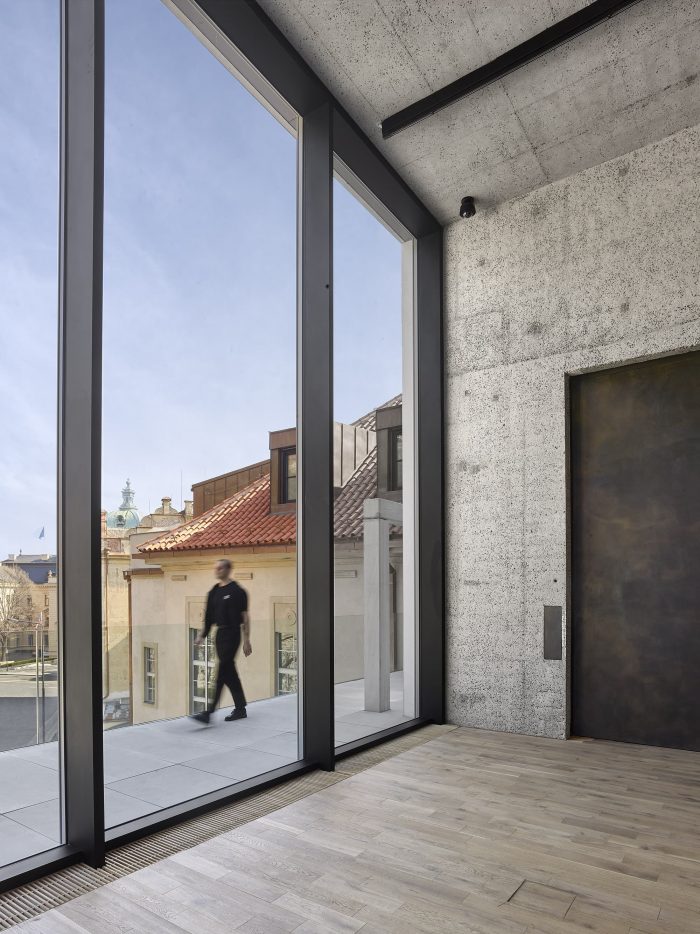
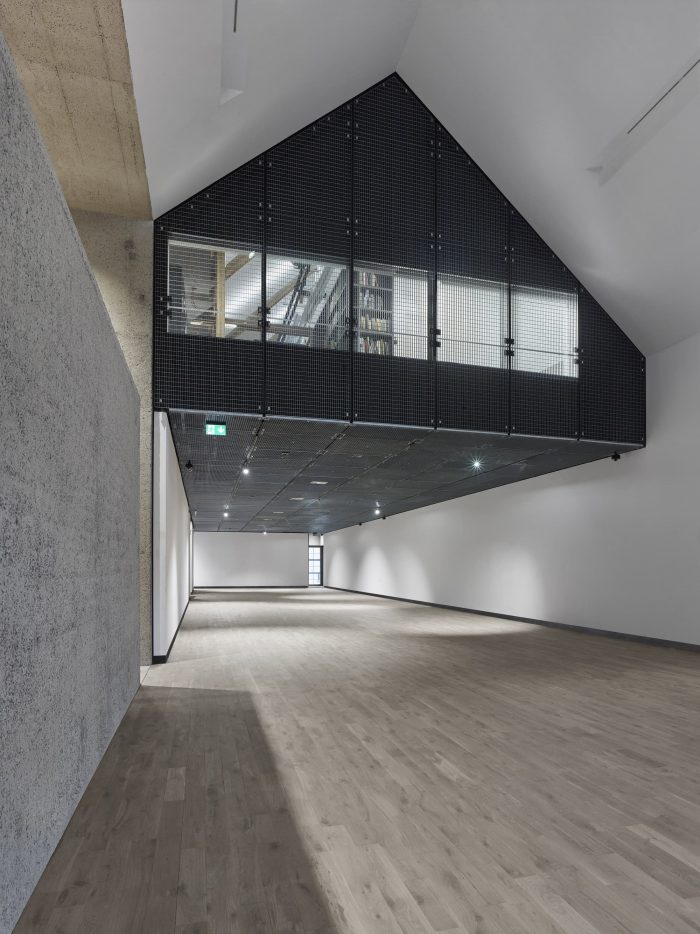
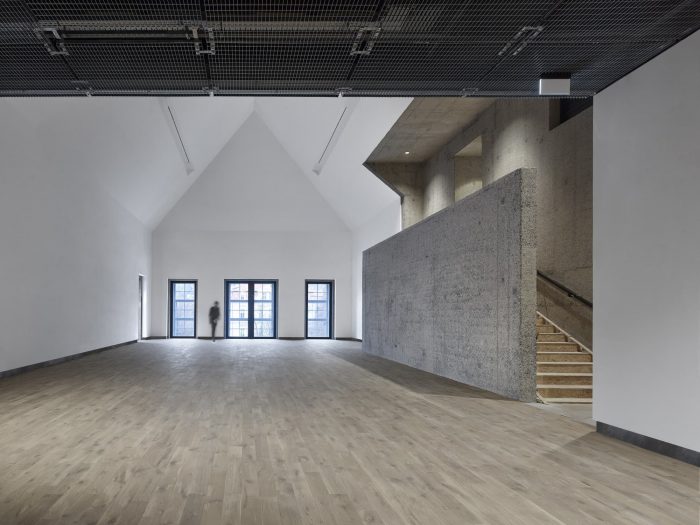
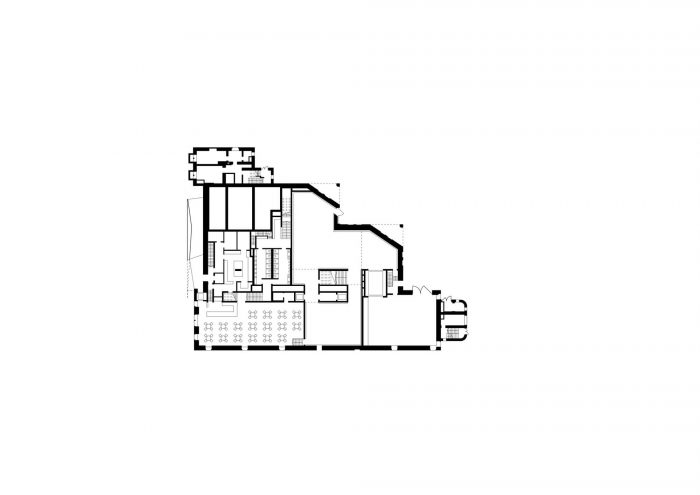
艺术馆的新入口已经建成,在一座铺有布拉格马赛克的天桥上。同时,这也掩盖了运输公司所需的空气处理技术排气管,近年来,该排气管完全不适合位于西方主立面的前面。在中央部分,在原来的技术平台的位置上,增加了一个表面处理为砂光水磨石的一层扩展,其简单性不会与原来的建筑相竞争,同时也补充了退缩的分段式外墙的原则。光线通过一个大窗户进入这个上层建筑,它的比例来自于外墙的尺寸。
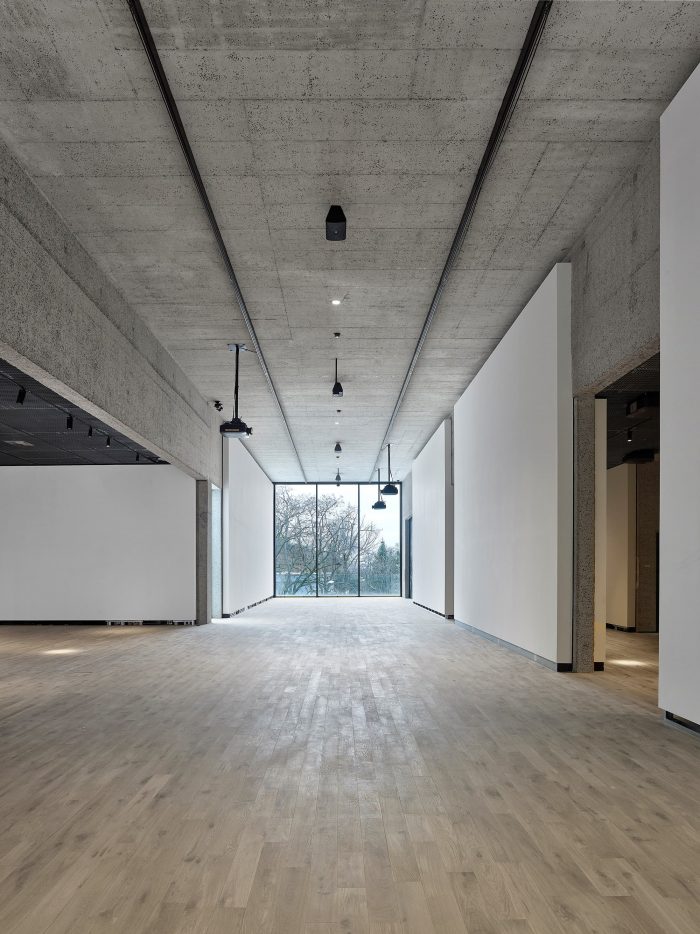
A new entrance to the Kunsthalle has been built, over a footbridge with Prague mosaic paving. At the same time, this conceals the air-treatment technology exhaust pipe needed by transport companies, which has in recent years been entirely inappropriately located in front of the main western facade. In the central section, in the place of the original technological terrace, a one-story extension with a surface finish of sanded terrazzo has been added, whose simplicity does not compete with the original building and at the same time supplements the principle of the retreating segmented facade. Light enters this superstructure through a large window, the proportions of which are derived from the dimensions of the facade.
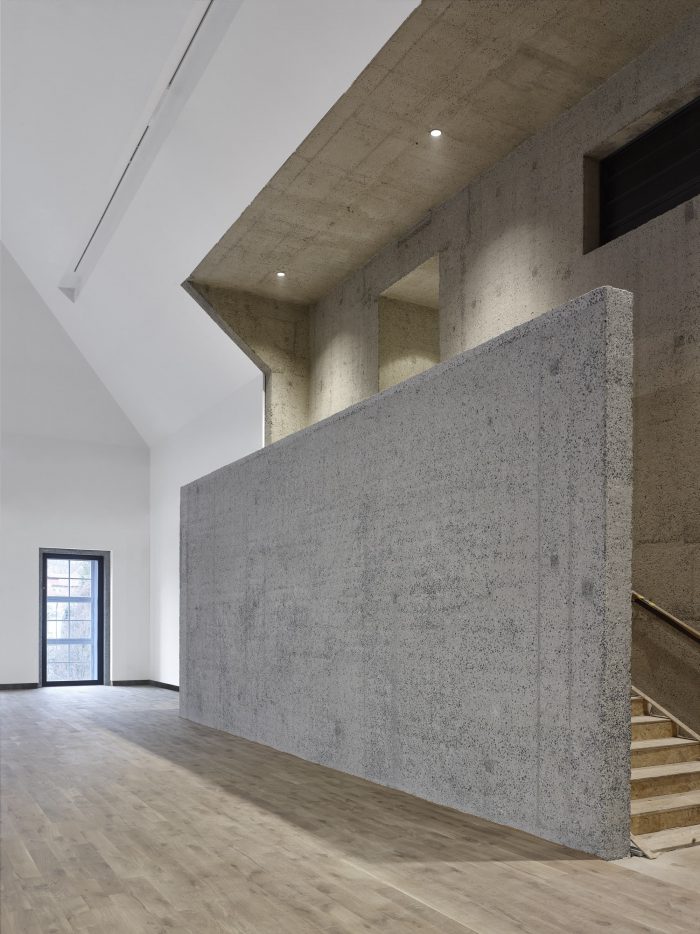
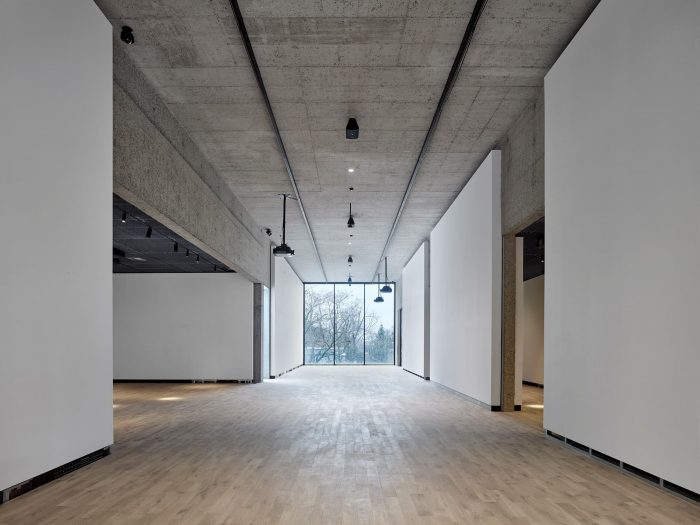
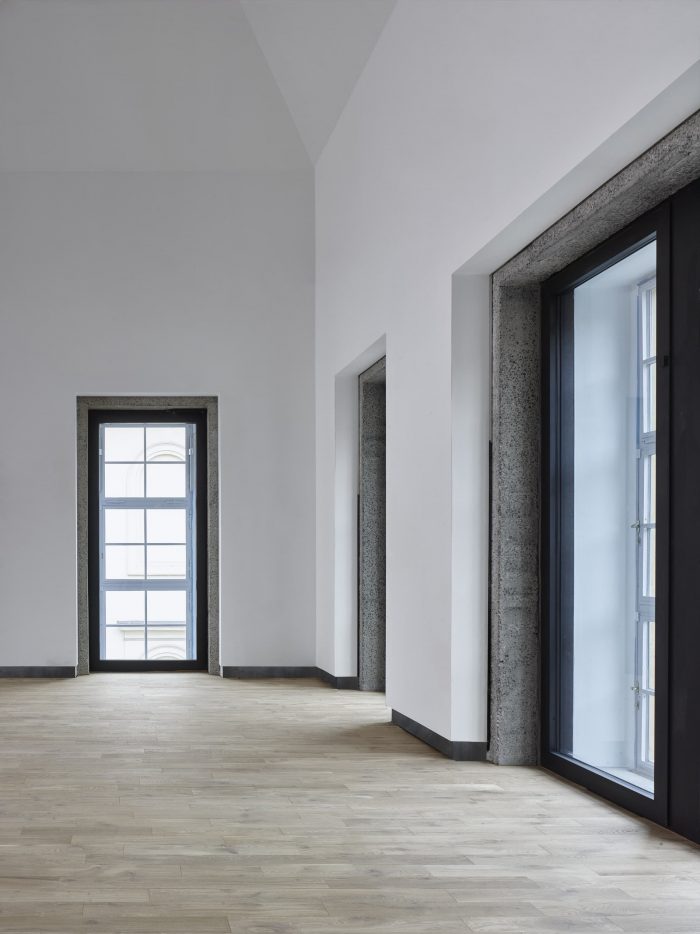
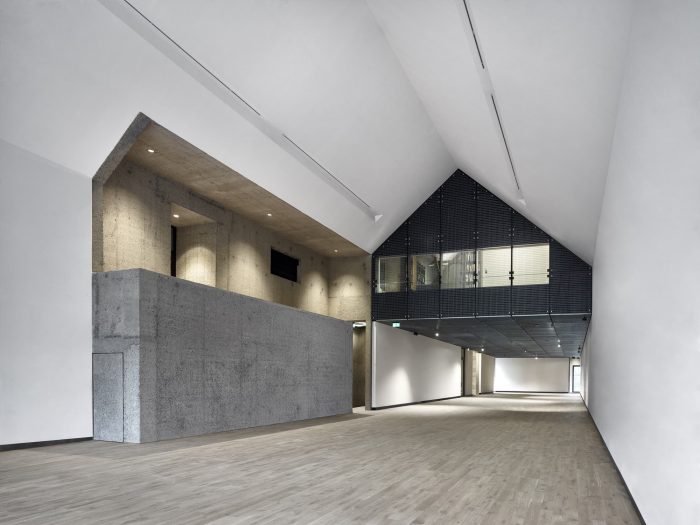
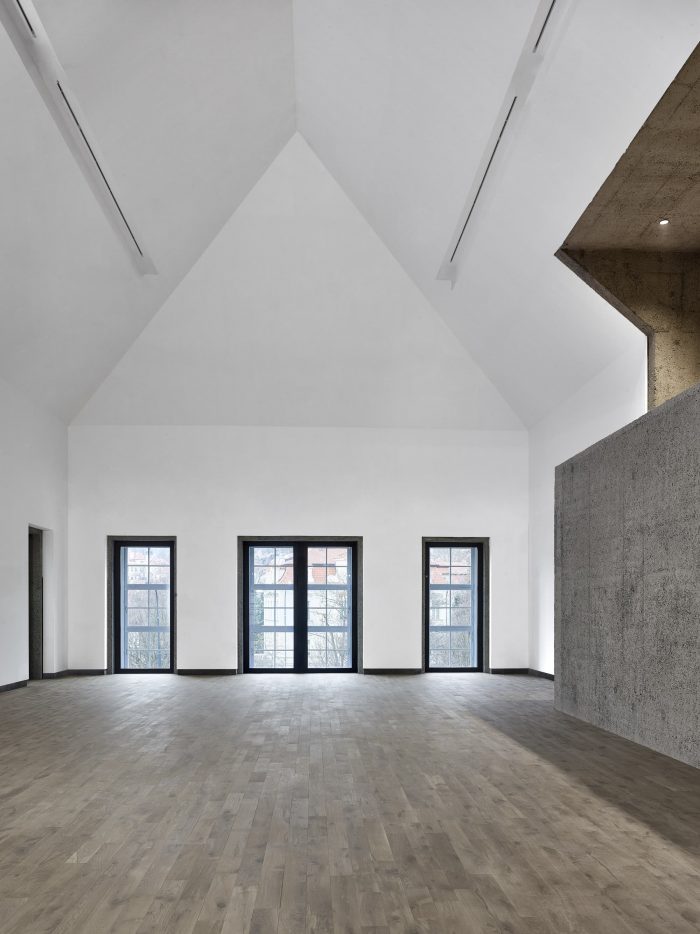
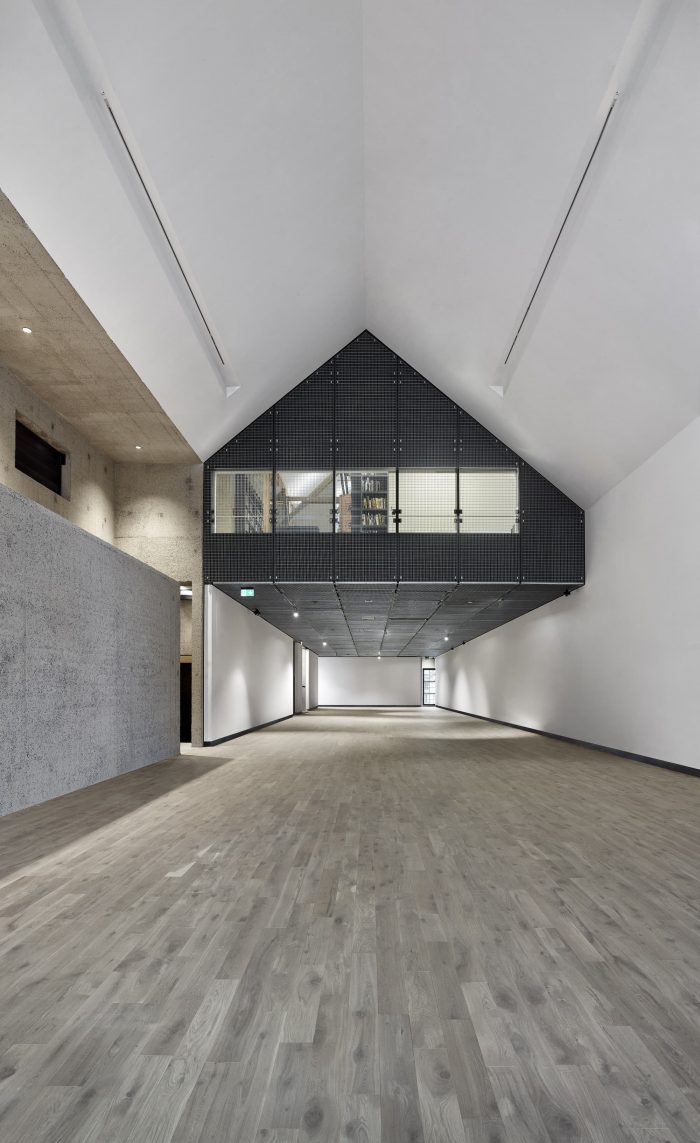
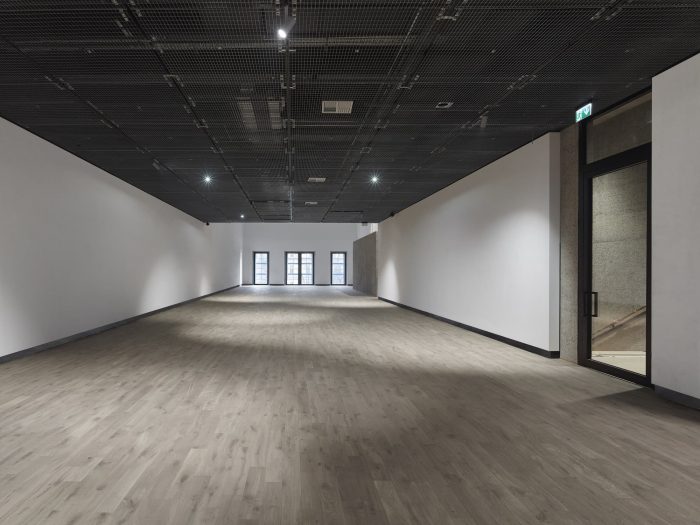
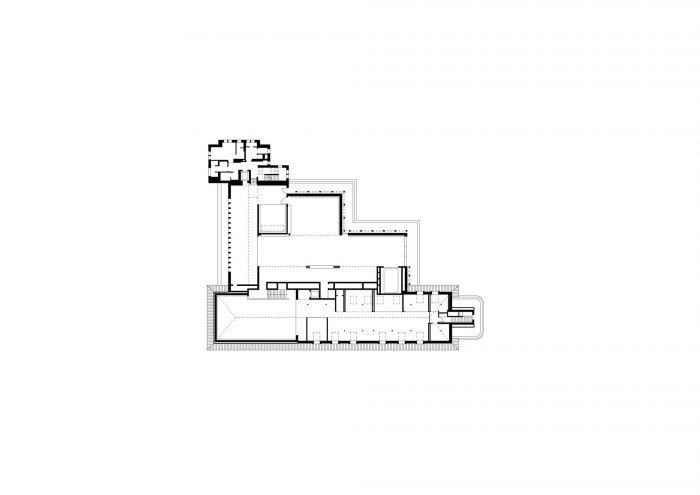
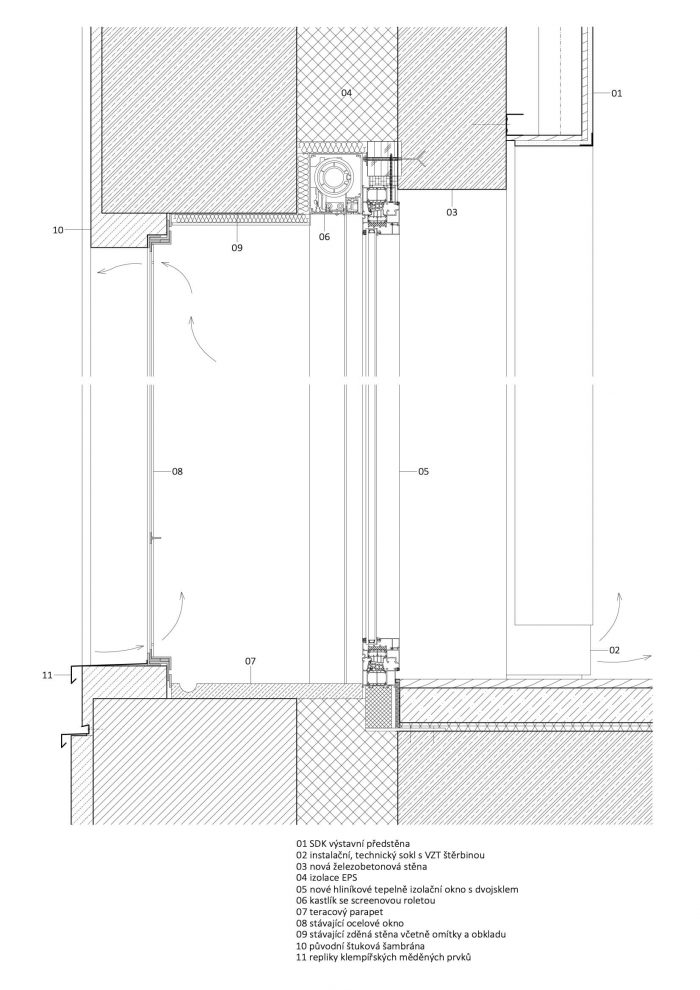
日光的另一个来源是屋顶西脊上的一个长的、非典型的天窗和上层建筑下部的局部天窗。中央部分的新设计保留了一个平屋顶,它是由材料分段的。在建筑工程开始之前,立面的大部分原始填充结构都被专业地拆除了,并在改建过程中归还。其他的则在原来的位置和形状上被新的结构所取代。为了博物馆的目的,从北面增加了运输艺术品的大门。
Another source of daylight is a long, atypical skylight on the western ridge of the roof and locally an upper skylight above the lower part of the superstructure. The new design for the central section retains a flat roof, which is segmented by material. Most of the original filling structures of the facade were professionally dismantled and removed before construction work began and returned during conversion. Others were replaced by new structures in the original position and in original shape. For museum purposes, gates for the transport of objets d'art have been added from the north.
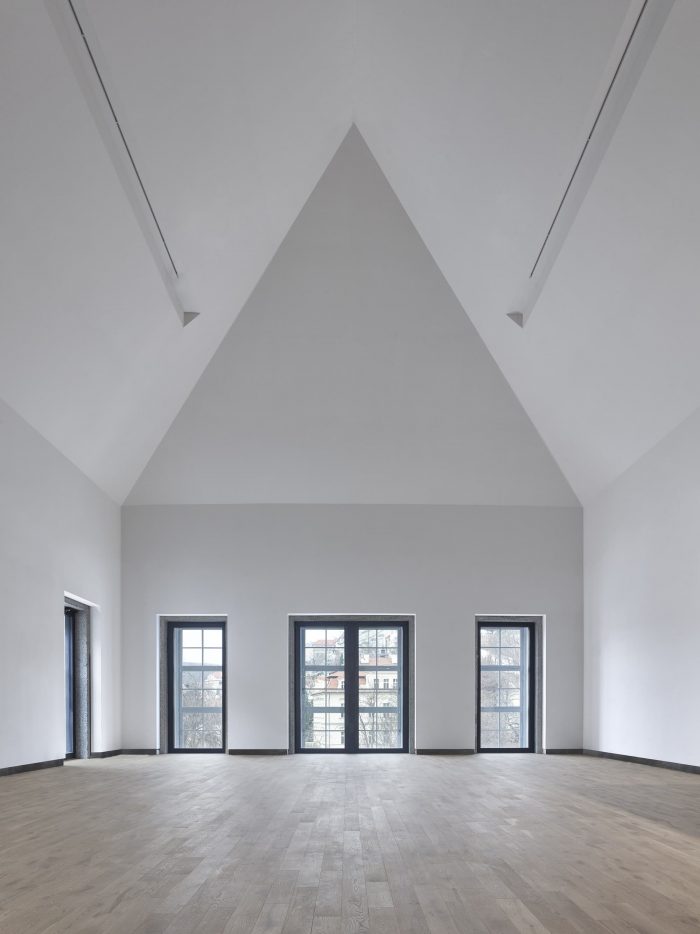
该建筑保留了原设计中的所有基本元素—屋顶、水槽、窗台、外墙、基础墙和某些适度的装饰元素。材料和颜色的设计是非常清醒的。外墙已经恢复到原来的灰米色,来自于砂岩面。
The building retains all the fundamental elements in the original design – roofing, gutters, ledges, facades, foundation walls, and certain modest elements of decoration. The material and color design is very sober. The facades have been returned to their original, grey-beige, derived from the sandstone facing.
Architects: Schindler Seko
Area : 1650 m²
Year : 2021
Photographs :Filip Šlapal
Manufacturers : JOKL STEEL, OPIRSTAV INVEST, Sollus metal, TERACO LITÉ, Vipax
Lead Architects : Jan Schindler, Ludvík Seko, Zuzana Drahotová
Investor : Property Klárov a.s.
Program / Use / Building Function : Art Gallery
Supplier : STRABAG a.s.
Project Partner : project, a.s
City : Prague
Country : Czech Republic