
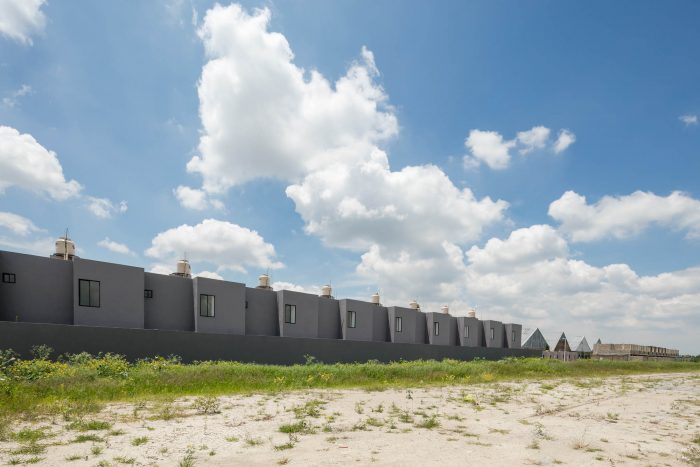
这套10栋房屋(第一阶段)位于墨西哥拉巴尔卡镇西北。
这些房屋建在一个名为Jardines de San Ignacio的水平分区中,面积为924.04m2,该分区有大约450个地段,大部分为90.00m2(6.00x15.00m)。
This set of 10 houses (first stage) is located northwest of the town of La Barca, Mexico.
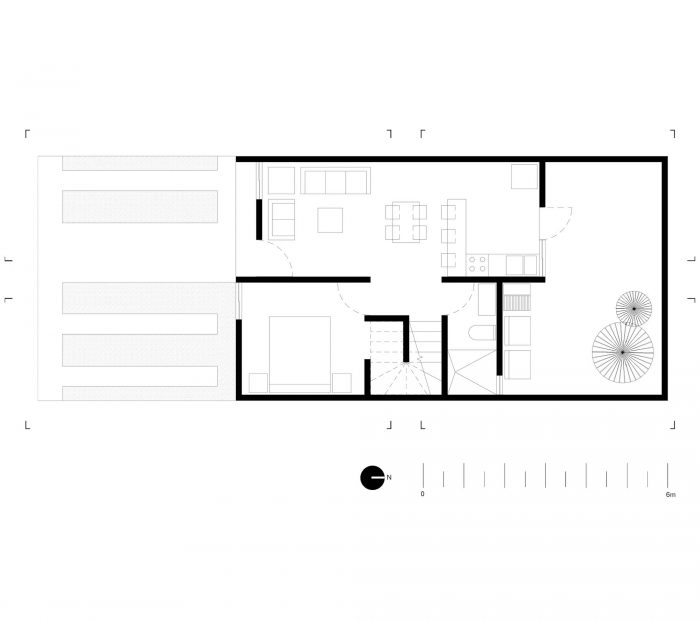
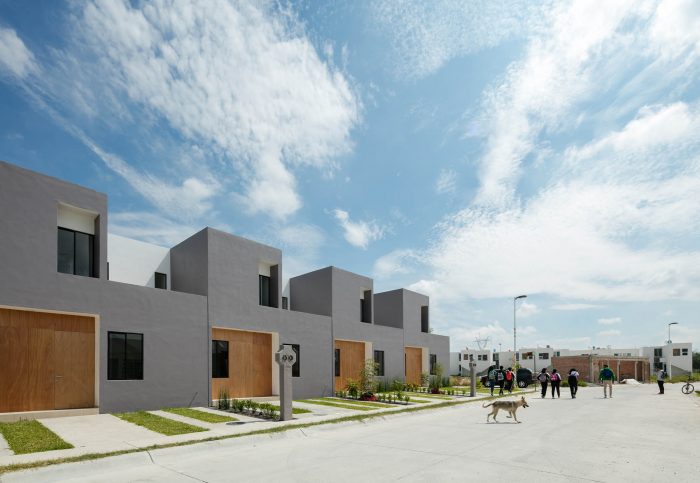
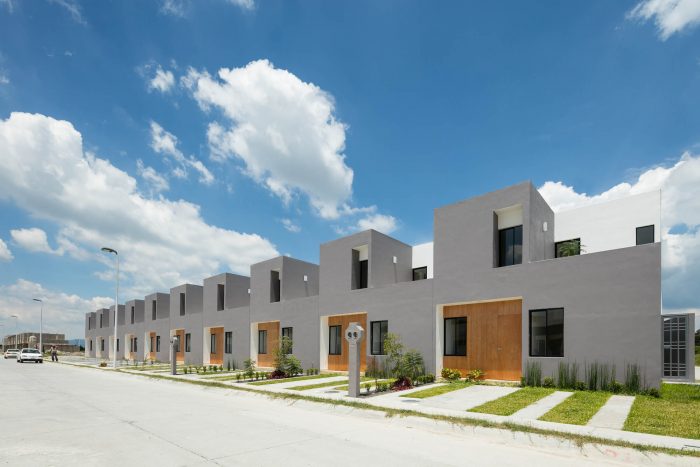
The houses are built on an area of 924.04m2 in a horizontal subdivision called Jardines de San Ignacio which has approximately 450 lots which are mostly of 90.00m2 (6.00x15.00m).
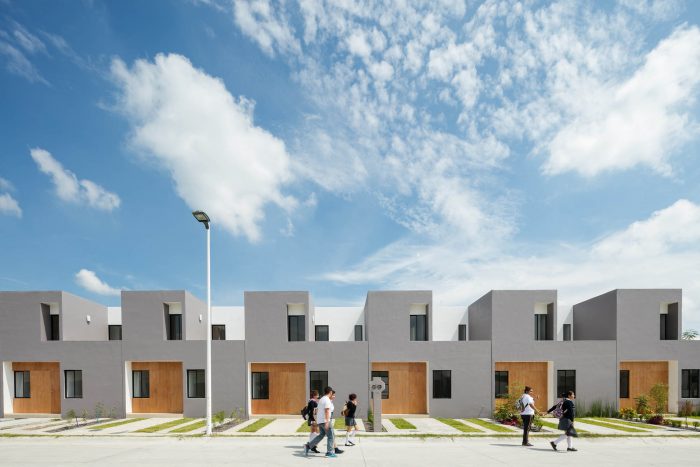
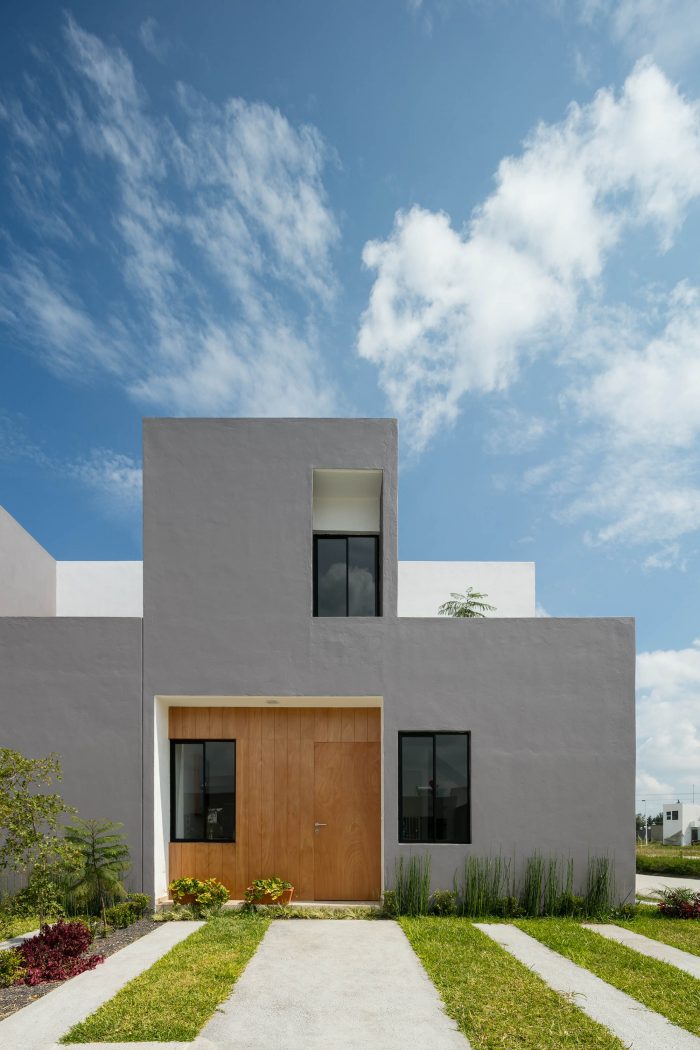
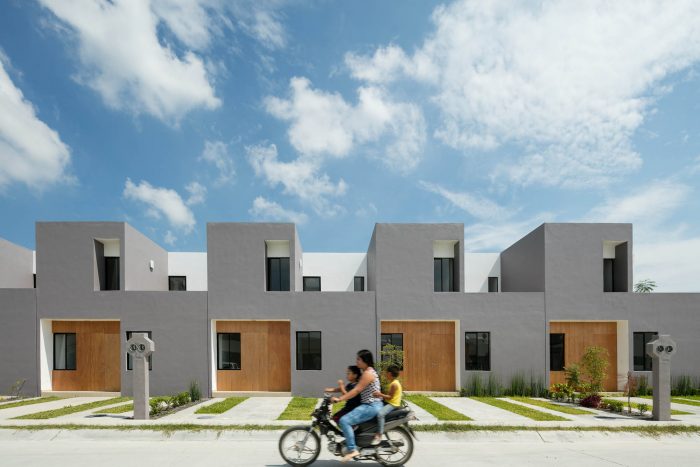
其中一个特点和好处的位置是,该集是连接到一个绿色,这将发生一个市政线性公园的实施。
One of the features and benefits of the location is that the set is attached to a green, which will take place the implementation of a municipal linear park.
主要目标是确定市场,这导致我们坚持该地区的意识形态,因此决定建立固体块和混凝土结构武装的墙壁,以实现更大的信心与城市的居民。我们还寻求与既定的预算,值得的内部空间,另一方面是一个清晰的形象,在设计中的质量,这是实现了财产的塑料,结论是装配显示为一个单位。
The main objectives were to identify the market which led us to stick to the ideology of the region, and therefore decided to build walls of solid block and concrete structure armed in order to achieve greater confidence with the inhabitants of the municipality. We also seek with the established budget, worthy interior spaces and on the other hand a clear image of quality in design which is achieved by the plastic of the property, concluding that the assembly is shown as a unit.
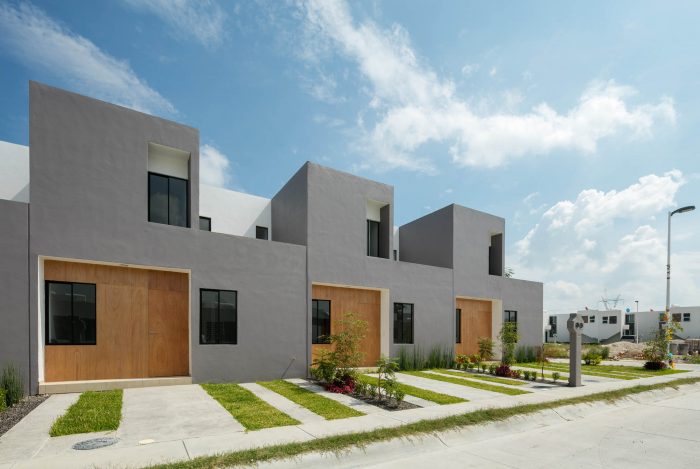
建议实现不同的景观,这已经由大型社会住房开发商,我们的建筑设计的顺序允许观察一些完整的和空的口音与颜色变化。
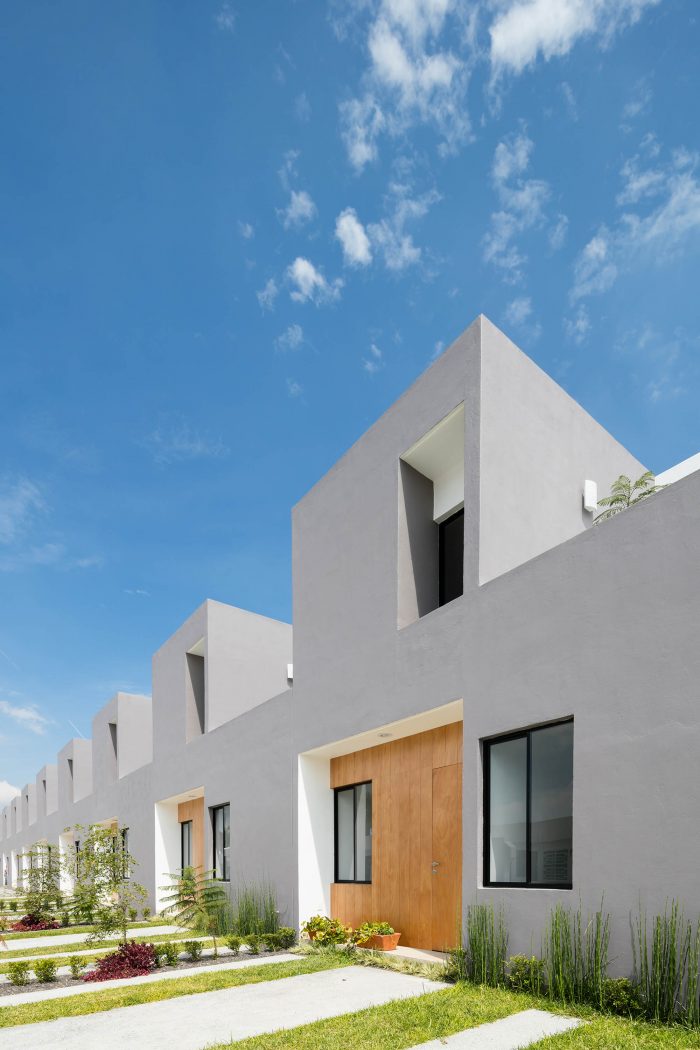
It was proposed to achieve a different landscape which has been marked by large social housing developers, where the sequence of our architectural design allows to observe a number of full and empty accented with a color change.
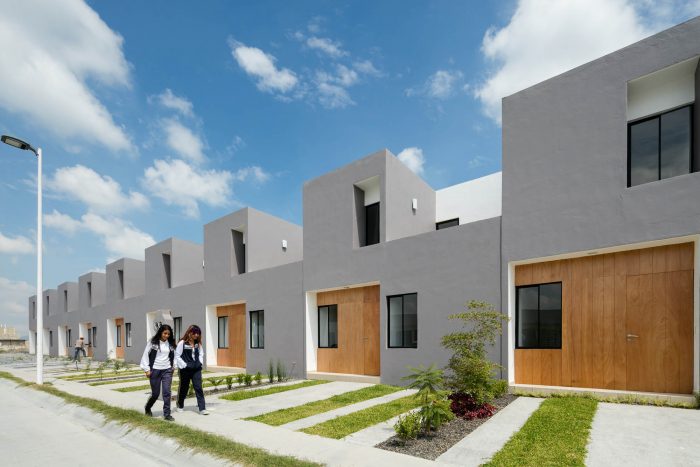
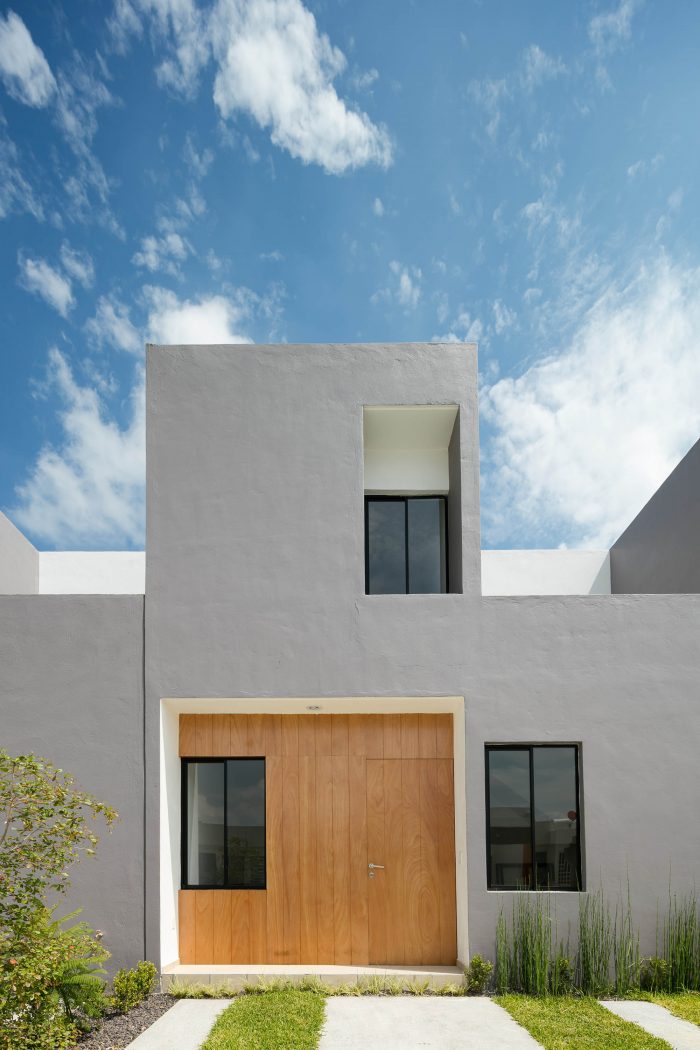
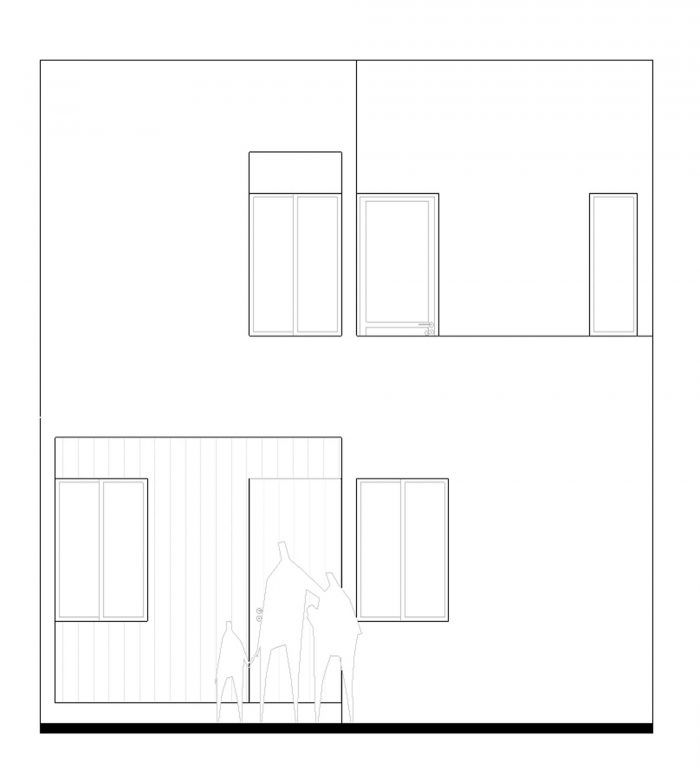
直接的作用完全是通过使用不常见的材料在这个部门像前墙的Okume木材和与强调竞争的分界线完成的。
The immediate role is completely accomplished by the use of materials not common in this sector like the front wall of Okume wood and with that emphasize the demarcation of competition.
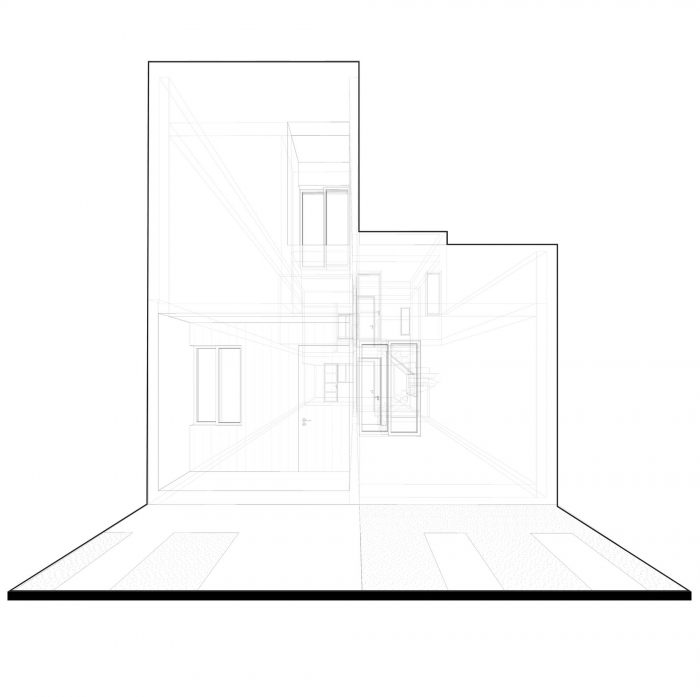
我们在外面工作了一个传统的扁平化的沙水泥基地,使这个提供更好的产品,并以某种方式消除了墨西哥社会住房的污名。
We worked on the outside a traditional flattened sand-cement base with making this offer a better product and remove in a certain way the stigma that carries the social housing in Mexico.
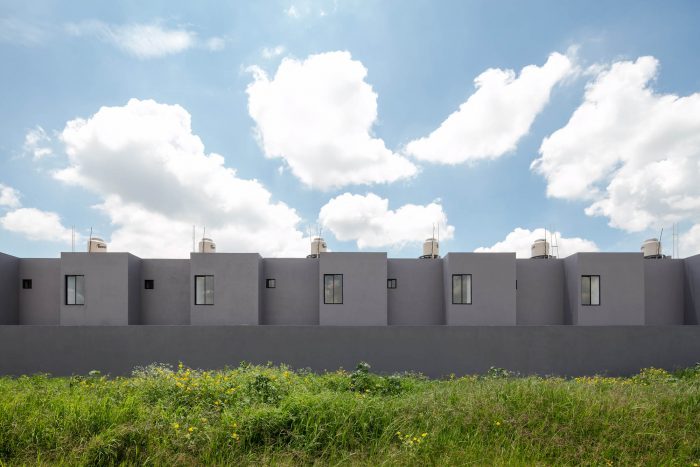
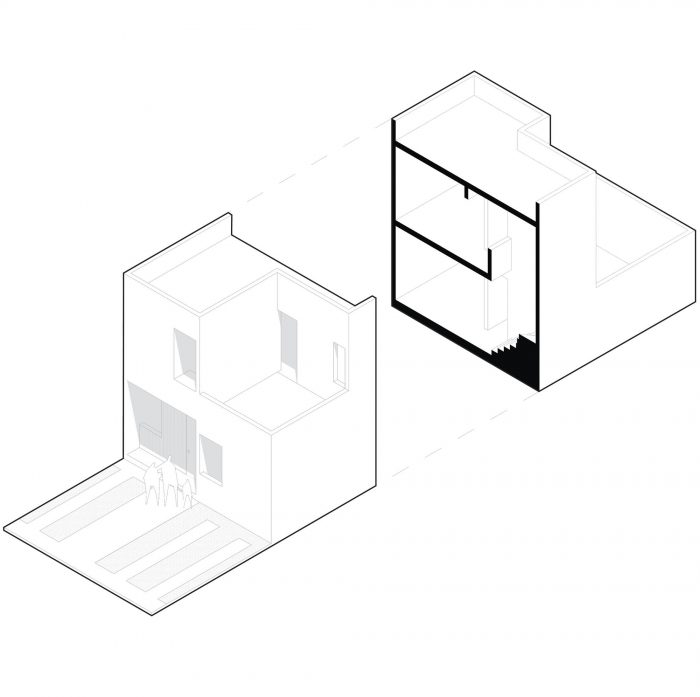
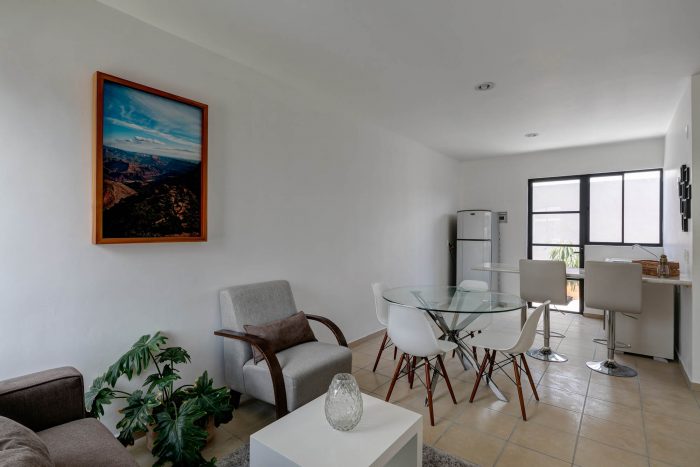
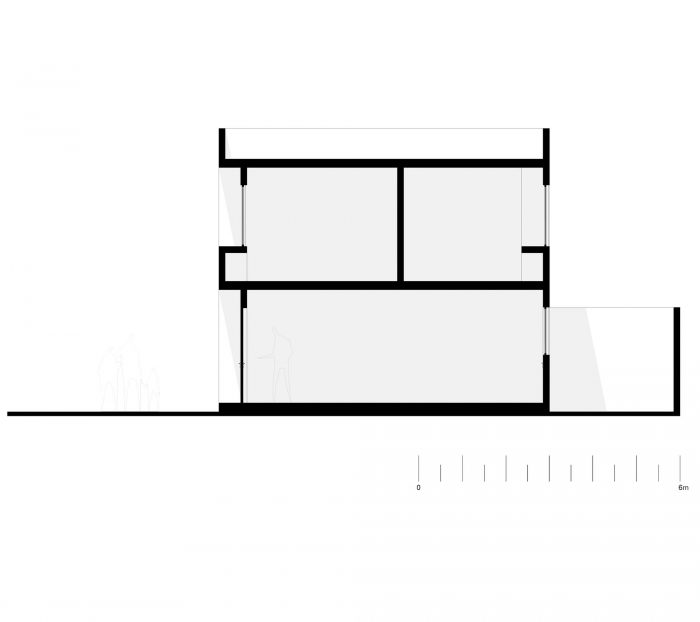
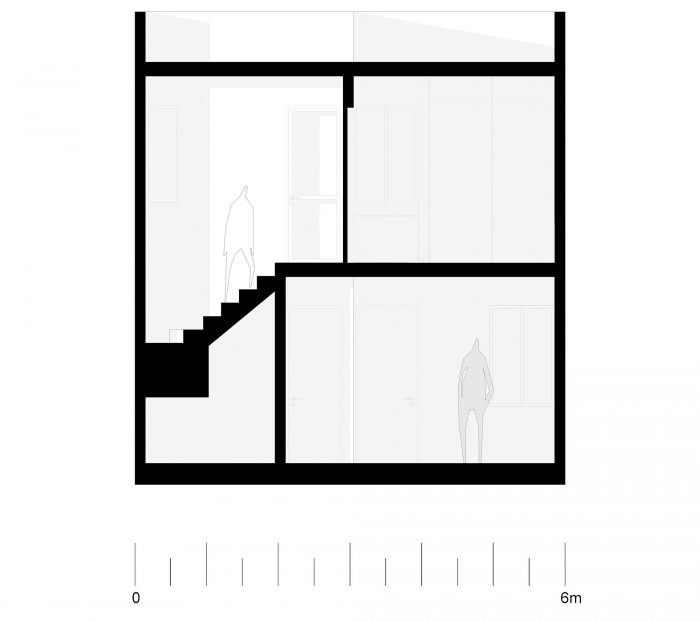
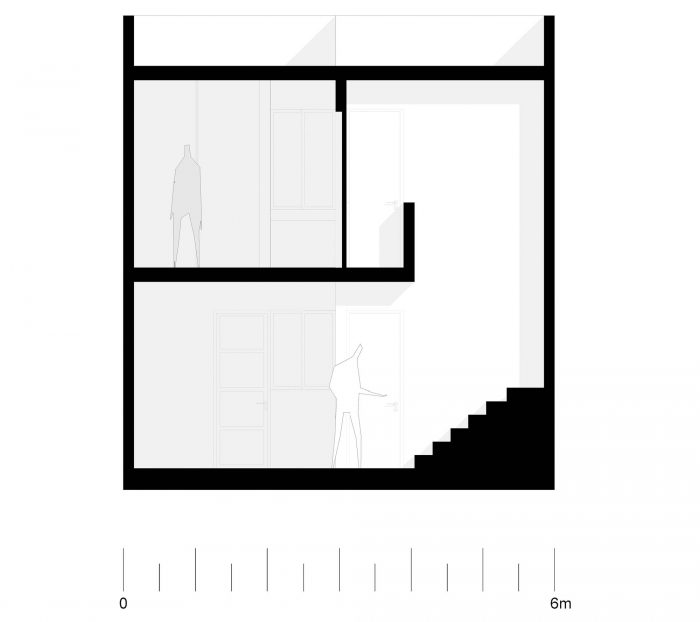
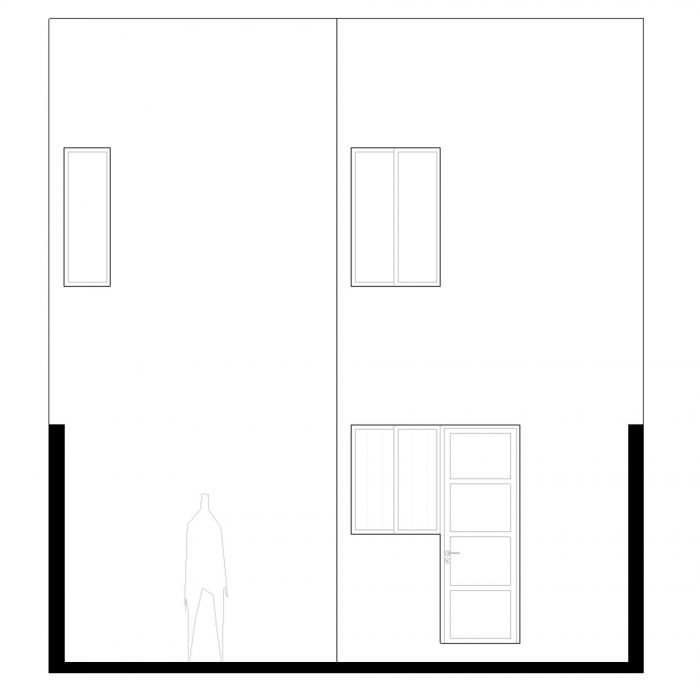
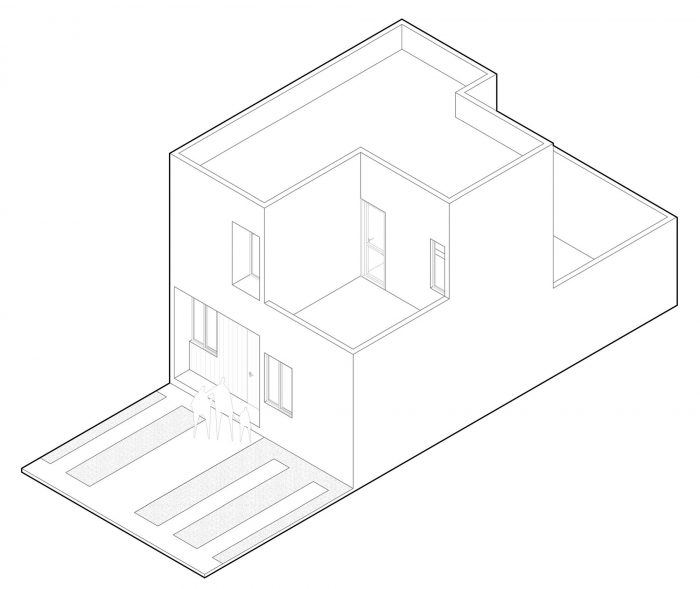
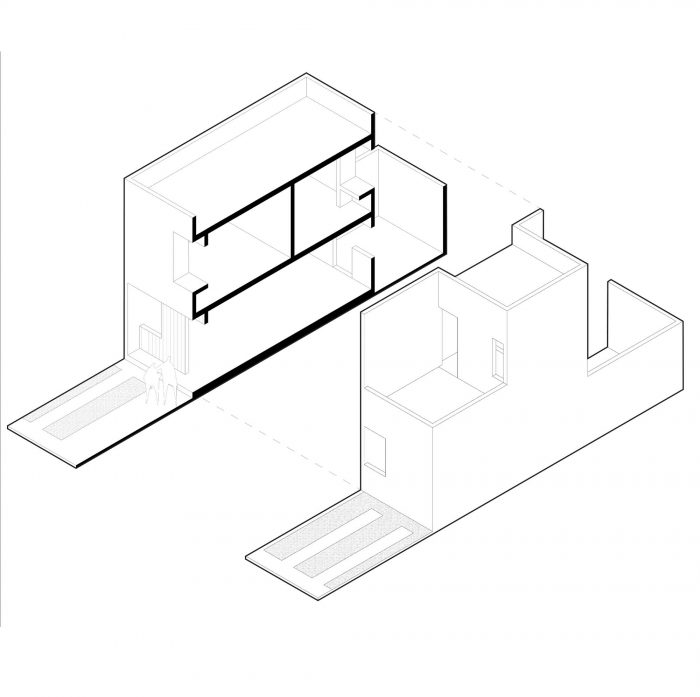
内部照明和空间的通风自然发生通过后院和房子的前面。根据光照过剩和干旱的背景,决定为房产提供小窗户。后院作为生活和私密的元素展现出来,与房屋的公共区域相连。我们也期待将私人区域与邻居的公共区域分开。
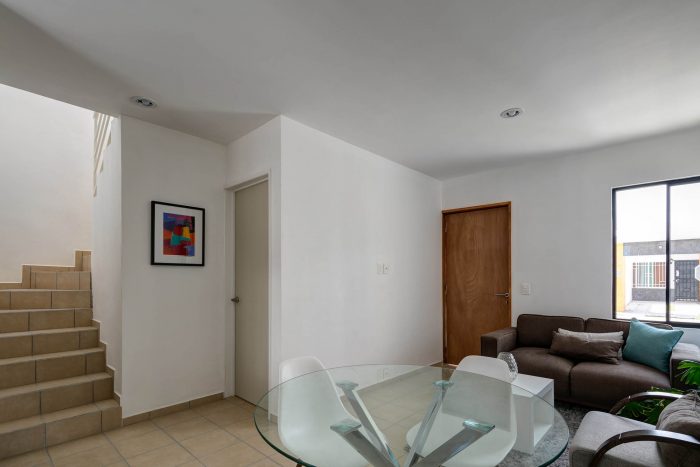
Inside lighting and ventilation of spaces occurs naturally through the backyard and the front of the house. According to the excess of light and the arid context, it was decided to provide small windows to the property. The back yard is shown as a living and private element, which is attached to the public area of the house. We also look forward to separate the private areas from public areas of the neighbors.
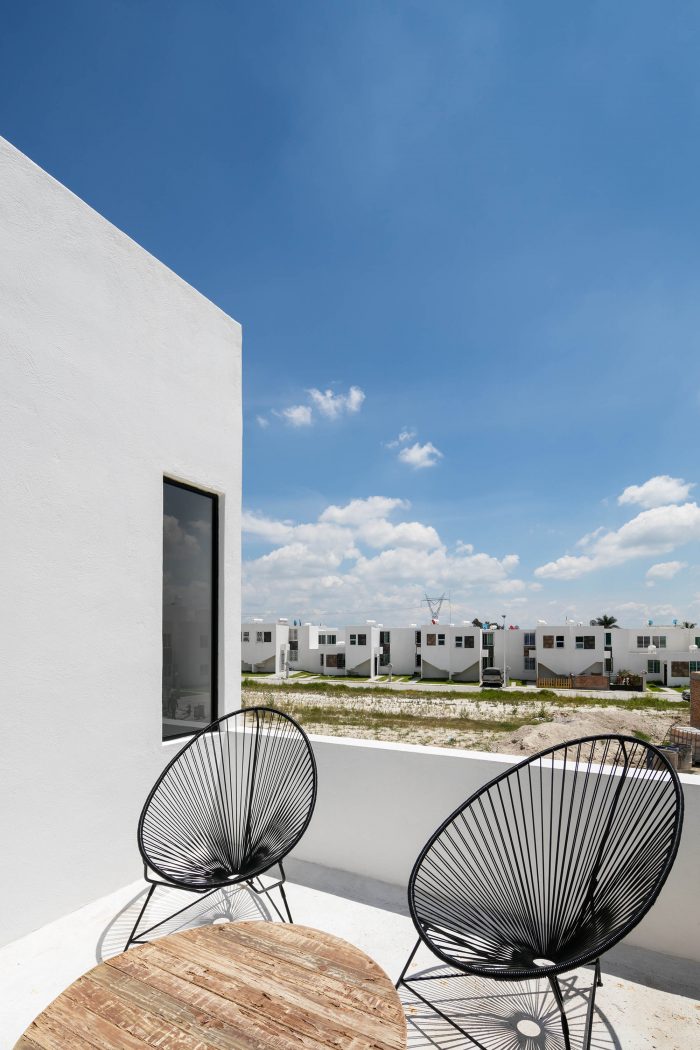
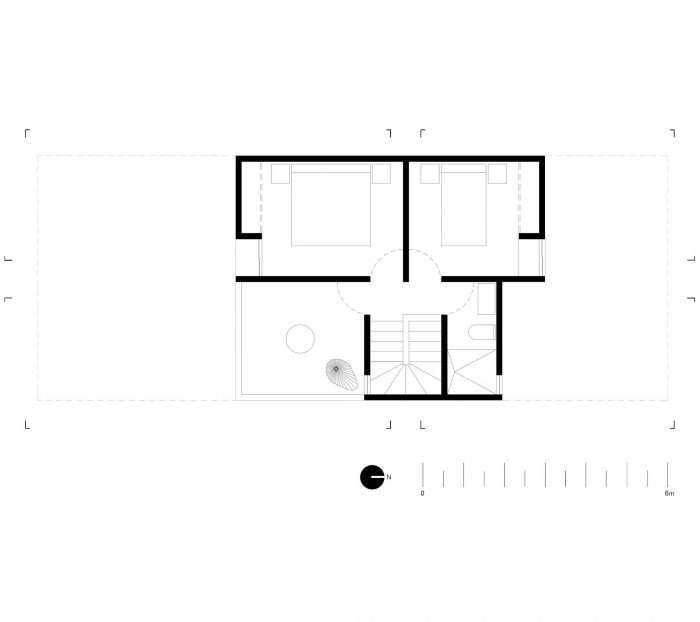
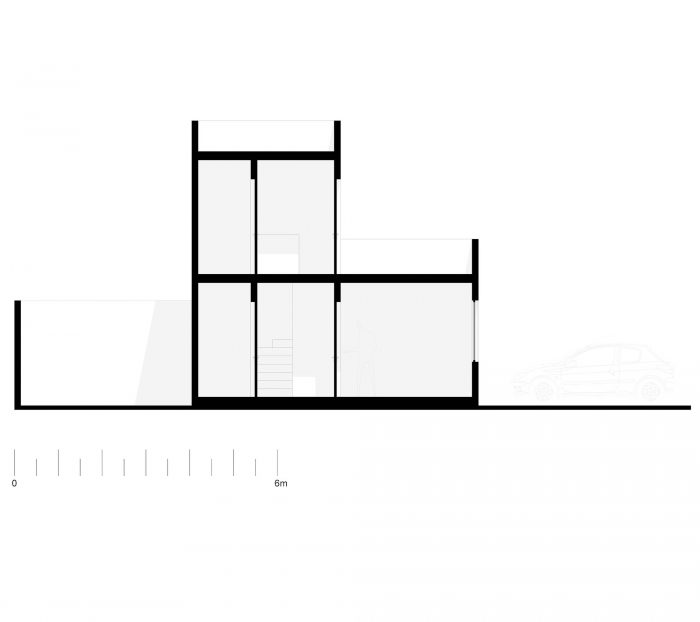
在顶部有一个露台,它被显示为一个元素与基础的原则,逐步基于亚历杭德罗Aravena的家园,允许在未来自动增长,以防止程序的变化(需求)在建筑中的一个家庭的时间。
这些体积的差距将产生白天的阴影的发挥。
At the top there is a terrace, which is shown as an element with foundations in the principle of incrementally based on the homes of Alejandro Aravena, allowing in the future to grow automatically to prevent program changes (needs) during the time of a family in the building.
These gaps in the volume will generate a play of shadows during the day.
该项目受益最大的材料之一是用m16 NOVIDESA品牌的隔热板建造平板,因此我们得到了一个保温屋。
One of the materials that most benefited the project was to build slabs with an insulating panel of the m16 NOVIDESA brand, so we get a thermal house.
建筑师:IX2 Arquitectura
面积:759平方米
年份:2016年
摄影:Lorena Darquea
制造商:LOBA, NOVIDESA, Rotoplas
项目 : Javier Ituarte Landa
合作者:Javier Zepeda Macías、Patricia Ortega Correa、Luis Gil del Río、Juan Ruíz García、Eduardo Gómez López
建筑管理:Javier Ituarte Reynaud
城市 : 巴萨
国家:墨西哥
Architects: IX2 Arquitectura
Area: 759 m²
Year: 2016
Photographs: Lorena Darquea
Manufacturers: LOBA, NOVIDESA, Rotoplas
Project :Javier Ituarte Landa
Collaborators:Javier Zepeda Macías, Patricia Ortega Correa, Luis Gil del Río, Juan Ruíz García, Eduardo Gómez López
Construction Management:Javier Ituarte Reynaud
City:La Barca
Country:Mexico