
该项目的意图深深植根于对场地的理解,将其视为创造地方感的契机。房屋并不是一个强加的物体,而是一个揭示自然事件和特定环境表现的工具。模块的布置将室外区域的布局放在首位,在室外区域建立通道,创造沉思区。这种设计界定了开放与封闭之间的界限,增强了整个场地的体验感。
The intention of this project is deeply rooted in the understanding of the site as an opportunity to create a sense of place. The house is not perceived as an imposed object but as a tool to uncover the natural events and manifestations specific to the context. The placement of the modules sets a high priority on the disposition of outdoor areas, establishing pathways through them and creating zones of contemplation. This design defines the boundaries that separate the open and the enclosed, enhancing the overall sitewide experience.
我们设计了三种不同类型的花园:
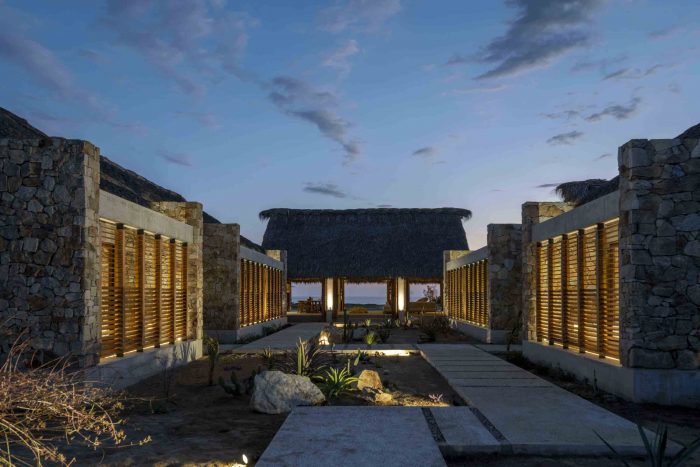
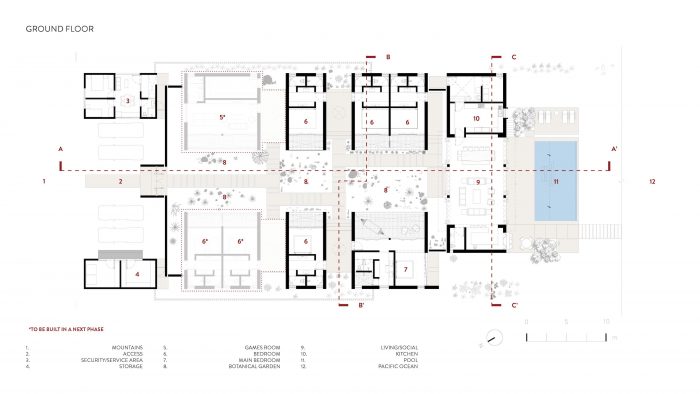
第一种是开放式花园,从居住区一直延伸到海边--天然沙丘。花园的侧边是一层茂密的树叶,由本地热带丛林树种组成,确保了与邻近物业的私密性。项目的核心是一个沙漠植物园,展示了当地特有的物种。每种植物的选择和摆放都经过精心考虑,与亭子之间的小径相得益彰。各种龙舌兰、仙人掌、凤梨和树木(如 pochote(Ceiba pentandra)、copal(Bursera simaruba)和 guayacán(Guaiacum coulteri))的季节循环通过开花和纹理的变化得到了体现。
Three distinct types of gardens were devised:
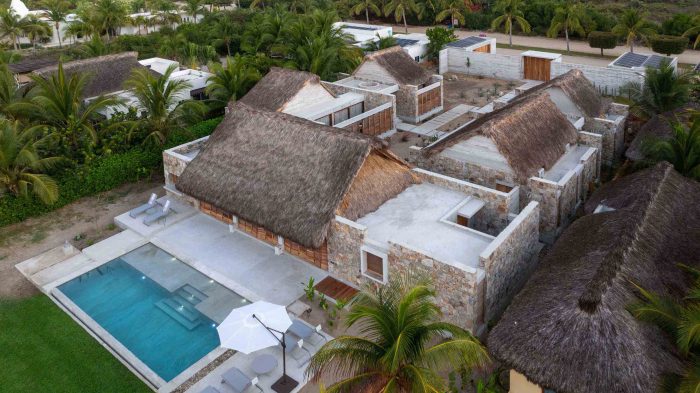
The first is an open and unobstructed garden that stretches from the living area to the ocean—a natural dune. Privacy from neighboring properties is ensured by a layer of denser foliage composed of native tropical jungle species on the laterals of the property. The project's centerpiece is a desert botanical garden showcasing endemic species. The selection and placement of each plant were carefully considered, complementing the pathways that interconnect the pavilions. The seasonal cycle of diverse agaves, cacti, bromeliads, and trees such as pochote (Ceiba pentandra), copal (Bursera simaruba), and guayacán (Guaiacum coulteri) is exemplified through blooming and altering textures.
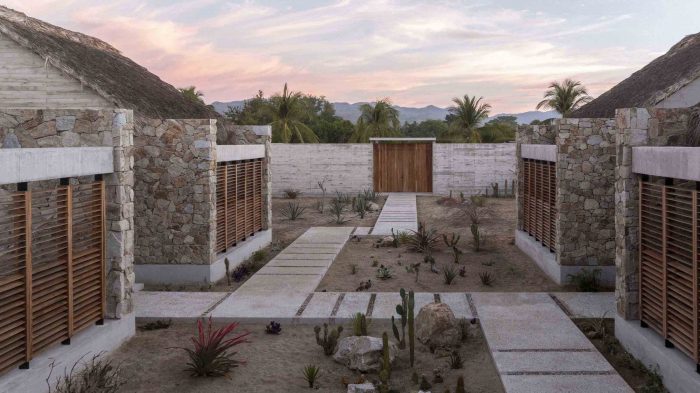
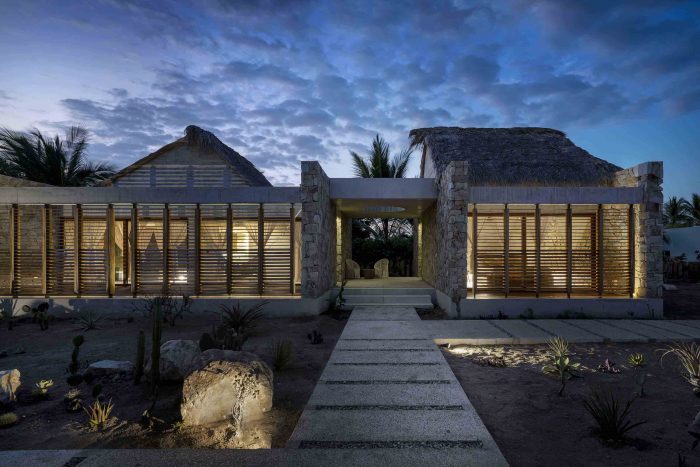
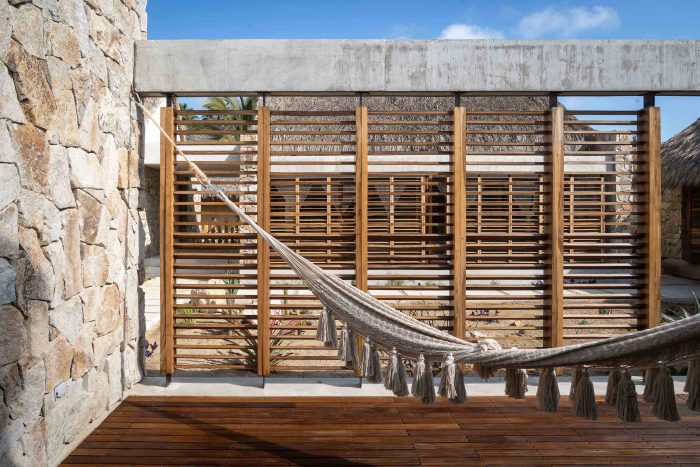
展馆的设计旨在利用当地材料和简单的构造系统,创造出一种瓦哈卡手工艺的构造表现形式,展现出显著的触觉表现力。砌石 "实体 "位于可居住空间的两侧,置于混凝土板之上,为整个项目确立了一条水平轴线。体量和石墙在视觉上将建筑与场地连接起来,而中间的空间则采用传统的木制和棕榈茅草搭建的凉亭。亭子与面向植物园的私人露台相得益彰,露台使用木格子进行分隔。由此产生的结构组合传达出一种与地面的锚定,通过明确的墙壁边缘上升,并通过棕榈茅草缓缓消逝到天空中。
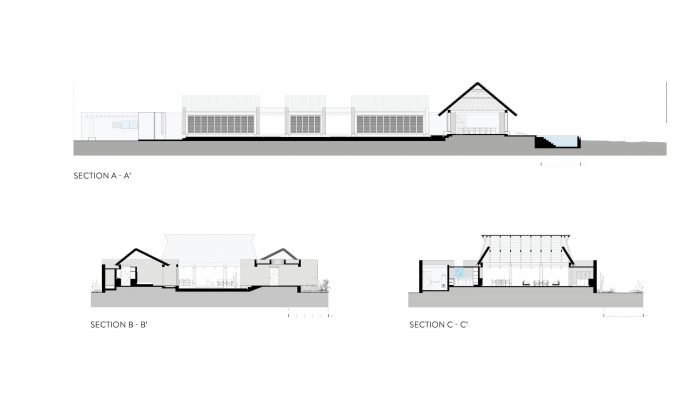
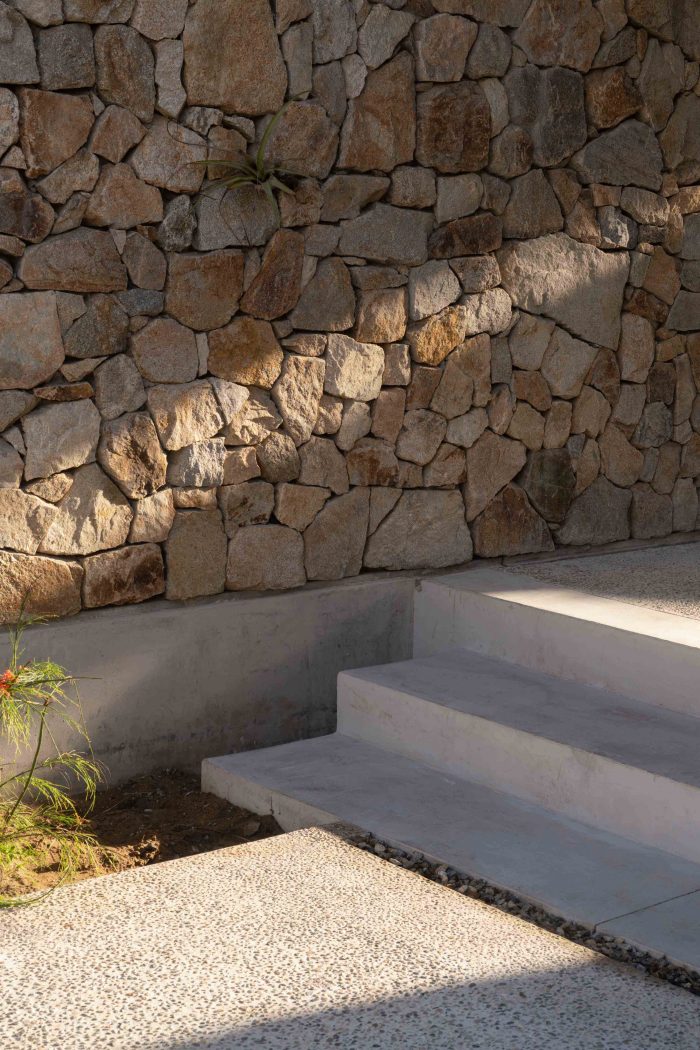
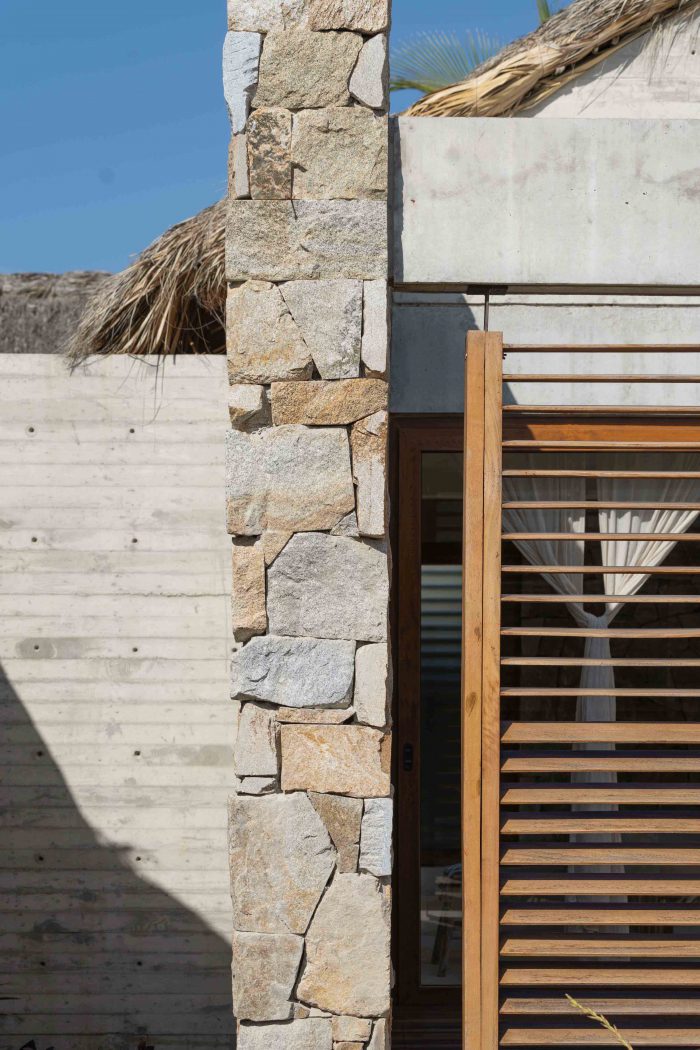
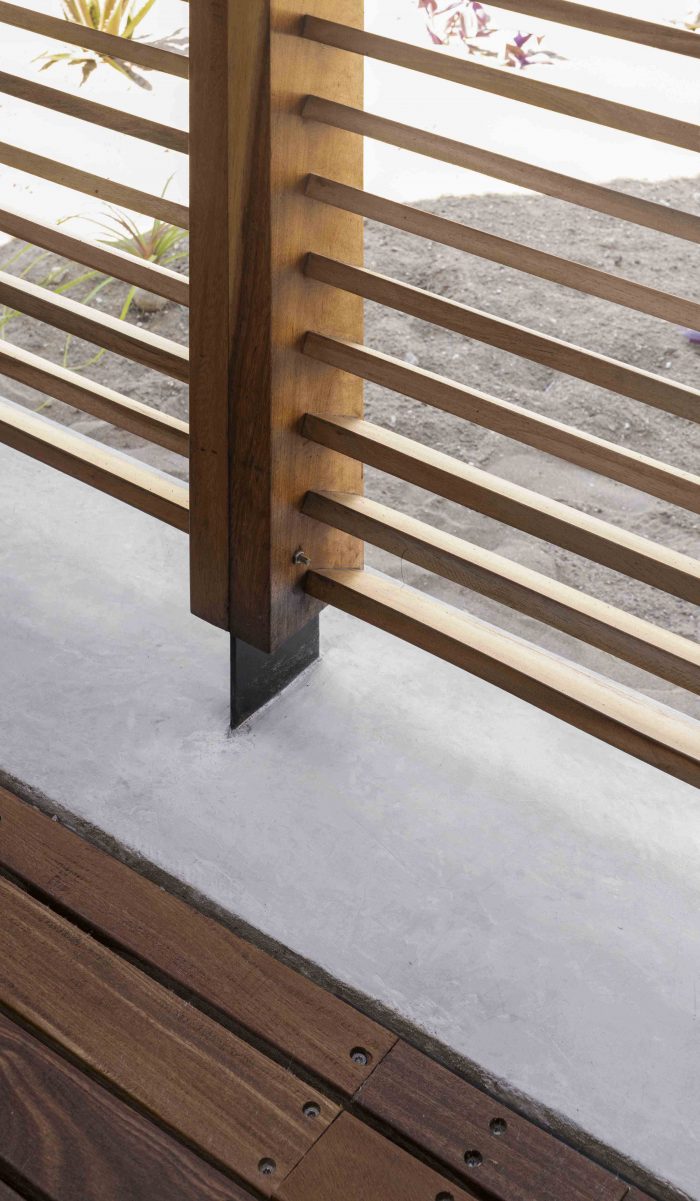
The pavilion's design aimed to create a tectonic manifestation of Oaxaca’s craftsmanship, employing local materials and straightforward constructive systems, displaying significant haptic expressiveness. Masonry "solids" flank habitable spaces, set atop a concrete slab, establishing a horizontal axis throughout the project. The volumes and stone walls visually connect the structure to the site, while the spaces between are covered in the traditional method of constructing wooden and palm-thatched palapas. The pavilions are complemented by private terraces facing the botanical garden, delimited by the use of wooden lattices. The resulting tectonic assembly communicates an anchoring to the ground, ascending with defined wall edges and gently fading into the sky via the palm thatching.
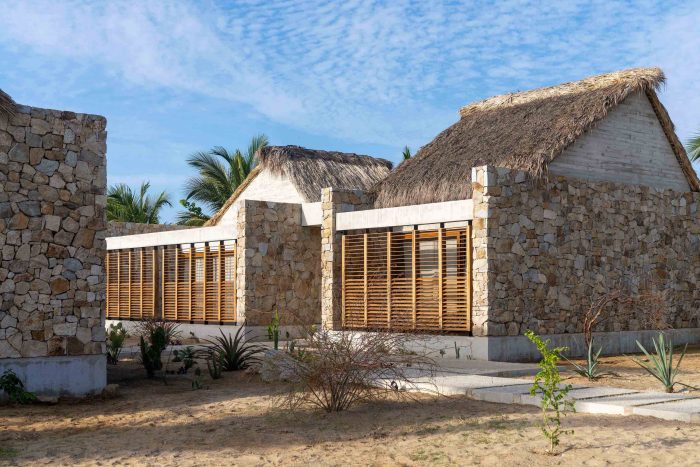
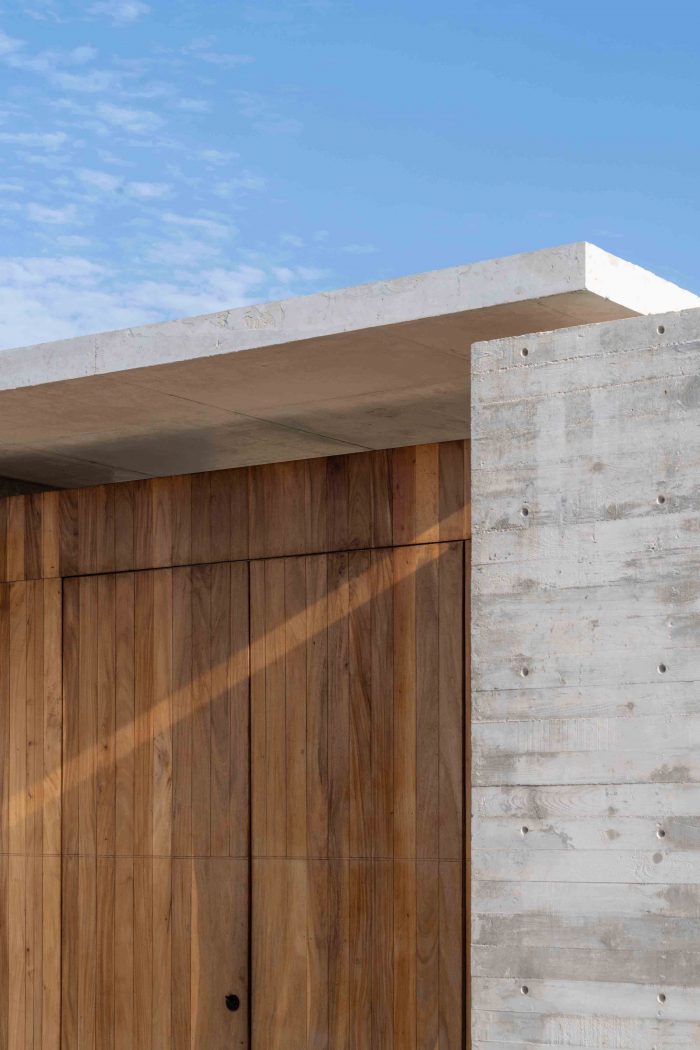
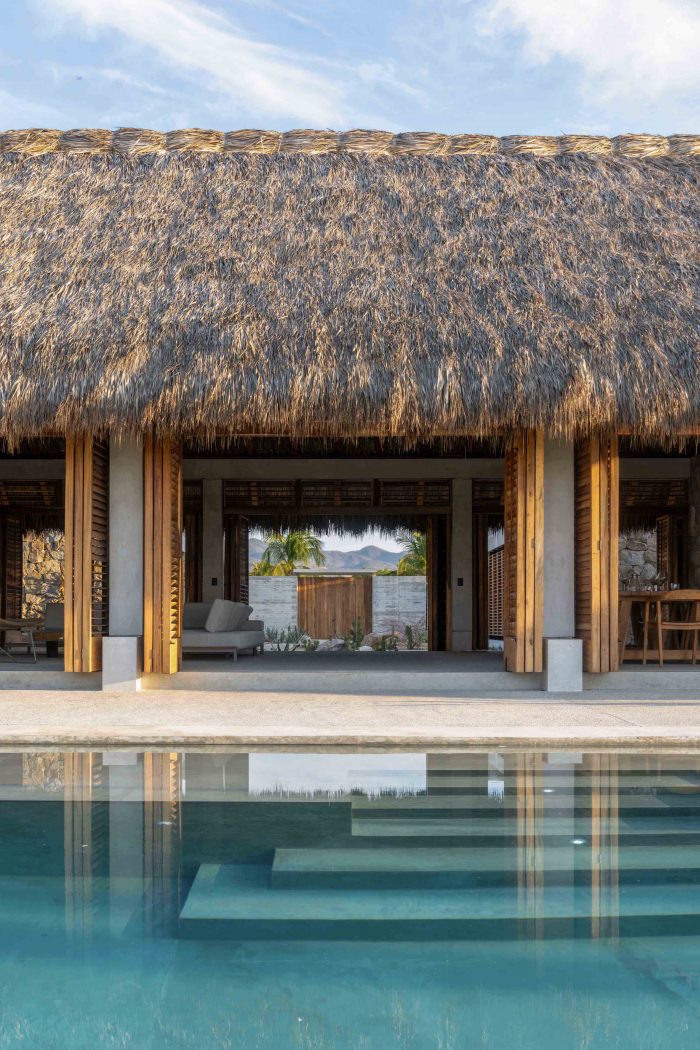
亭子的组合建立了一种重复和节奏的视觉语言,展示了光影的效果和不断变化。混凝土、石材和木材通过它们之间的空隙和接缝的存在而相互衔接,体现了材料之间的关系。
The ensemble of pavilions establishes a visual language of repetition and rhythm, showcasing the effects and constant changes of light and shadow. Concrete, stone, and wood are perpetually articulated by the voids between them and the presence of joints, recognizing the relationship that exists between materials.
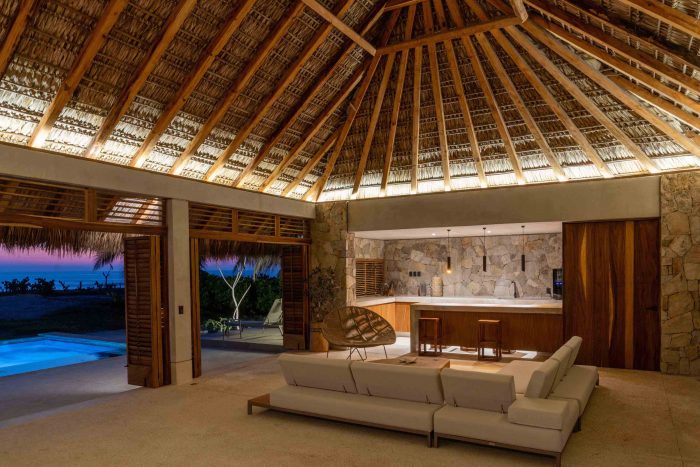
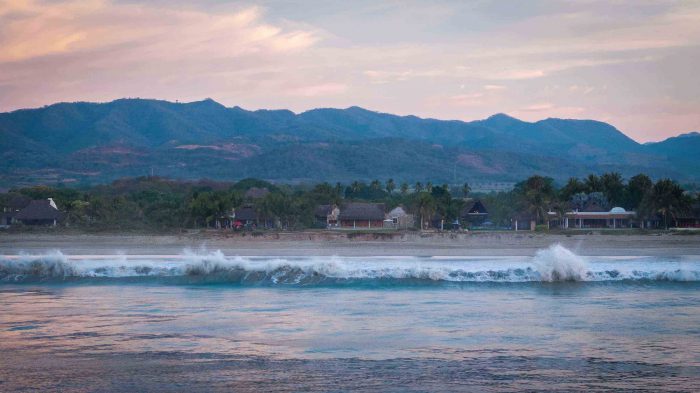
中央凉亭是一个 “永恒的门槛",容纳了公共和社交空间。它是阴影的主要来源,在物理和视觉上与沙丘和植物园的室外空间相关联。此外,它还是一扇大窗户,西面是太平洋的地平线,东面是瓦哈卡山脉的边缘。在这个空间里,该项目与周边和远处的环境融为一体。最后,该项目与间隙空间相辅相成;这些间隙空间提供了通往房间的通道,这些房间吸引人们沉思,并通过混凝土板上的透镜将光线映射到天空中。
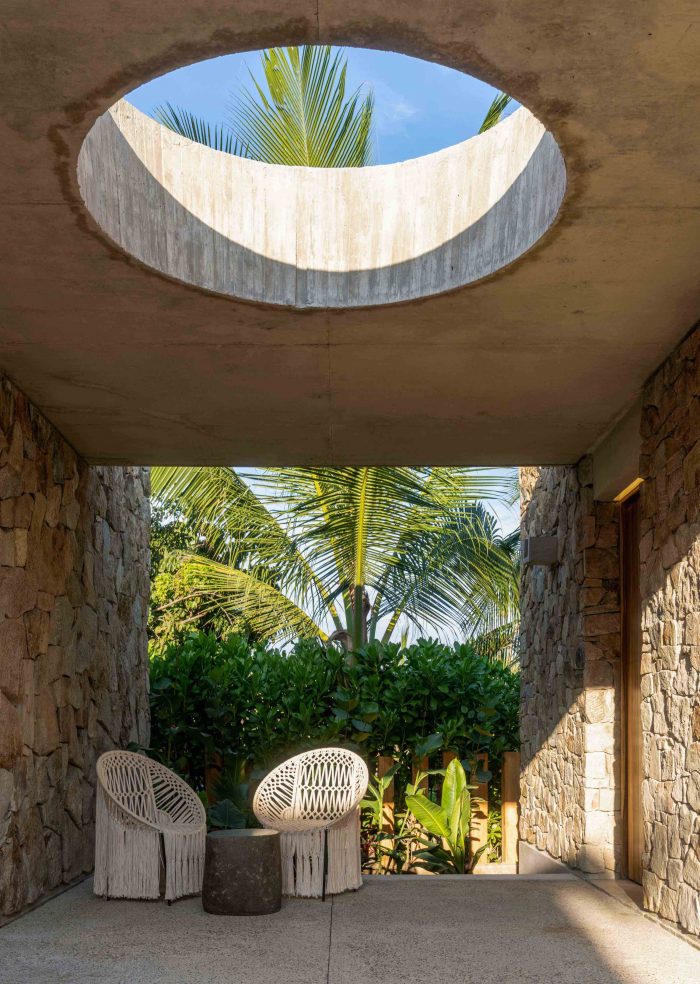
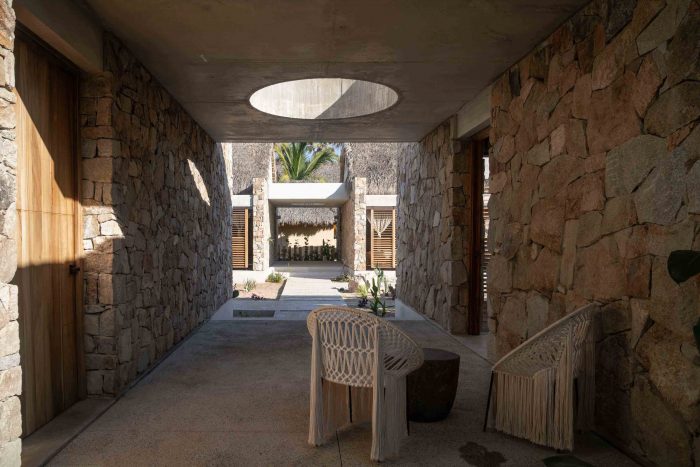
The central pavilion, a “threshold of permanence,” houses the public and social spaces. It serves as the main source of shadow and relates physically and visually to the outdoor spaces of the dune and botanical garden. Additionally, it functions as a large window framing the Pacific Ocean horizon to the west and the edge of the Oaxacan mountains to the east. From this space, the project melds with the entirety of its immediate and distant contexts. Finally, the project is complemented with interstitial spaces; thresholds that provide access to the rooms that invite contemplation and map the light via the oculus to the sky pierced in the concrete slab.
Project :MATERIA + Gustavo Carmona
Lighting :Karla Uribe, Gustavo Xoxotla, Teresa Berumen, Rodrigo Pérez, Jovana Grujevska, Sol Fernández, Isabel Pacheco.
General Contractor :Gustavo Carmona + Juan Carlos Stefanoni
Landscape :Juan Carlos Stefanoni
Photography :Gustavo Carmona + Diáspora (Magaly Martínez, Luis Muñoz)
Furniture :Jaime Navarro
Solar panel system :Exterior Concept, Namuh, and Local Oaxacan Markets
Kikapú
Location :Puerto Escondido, Oaxaca. MEXICO