建筑师和室内设计师清楚地意识到,公寓的布局对于优化可用空间,确保顺畅的流通和反映占用者的要求至关重要,尤其是在面积不足的情况下。因此,当翁先生 委托台湾室内设计工作室2BOOKS空间设计改造位于首都台北的紧凑型公寓时,首要的业务是修改现有的布局,以适应客户的生活方式。同样重要的是,设计师们将这种装饰融入了当代优雅和极简主义的感性,然而却引导了翁先生的童年。
此前,公寓的餐厅和厨房区域已经缩小,以容纳三间卧室和两间浴室。这不仅意味着冰箱站在餐厅,因为它放不下在厨房,它的存在意味着没有空间使用四人餐桌。通过消除其中一间浴室并略微收缩两间卧室,设计师通过充分扩大两个区域以及在起居室创造额外空间来解决这两种不足。
Architects and interior designers are well aware that an apartment’s layout is critical in optimizing the available space, ensuring smooth circulation and reflecting the occupier’s requirements, especially when there is a shortage of square metres. So when Taiwanese interior design studio 2BOOKS space design was commissioned by Mr. Weng to renovate a compact apartment in the country’s capital, Taipei, the first order of business was to modify the existing layout in order to accommodate their client’s lifestyle. As important, the designers have conjured a décor of contemporary elegance and minimalist sensibility that nevertheless channels Mr. Weng’s childhood.
Previously, the apartment’s dining and kitchen areas had been downsized in order to accommodate three bedrooms and two bathrooms. This not only meant that the refrigerator stood in the dining room because it didn’t fit in the kitchen, its presence there meant that there was no space for a four-person dining table. By eliminating one of the bathrooms and slightly shrinking two of the bedrooms, the designers have addressed both grievances by sufficiently enlarging the two areas, as well as creating additional space in the living room.
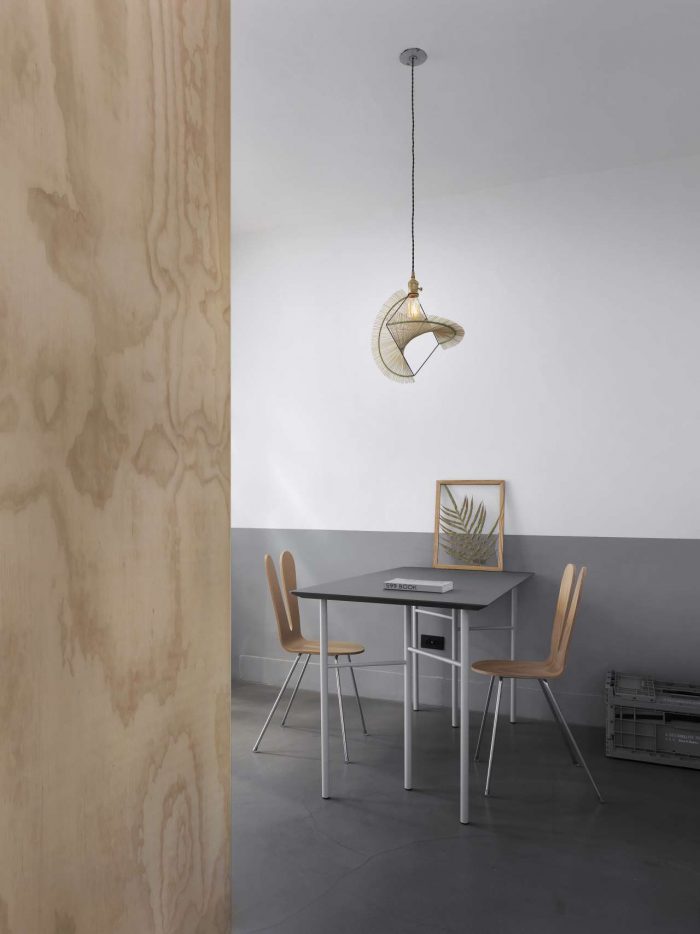
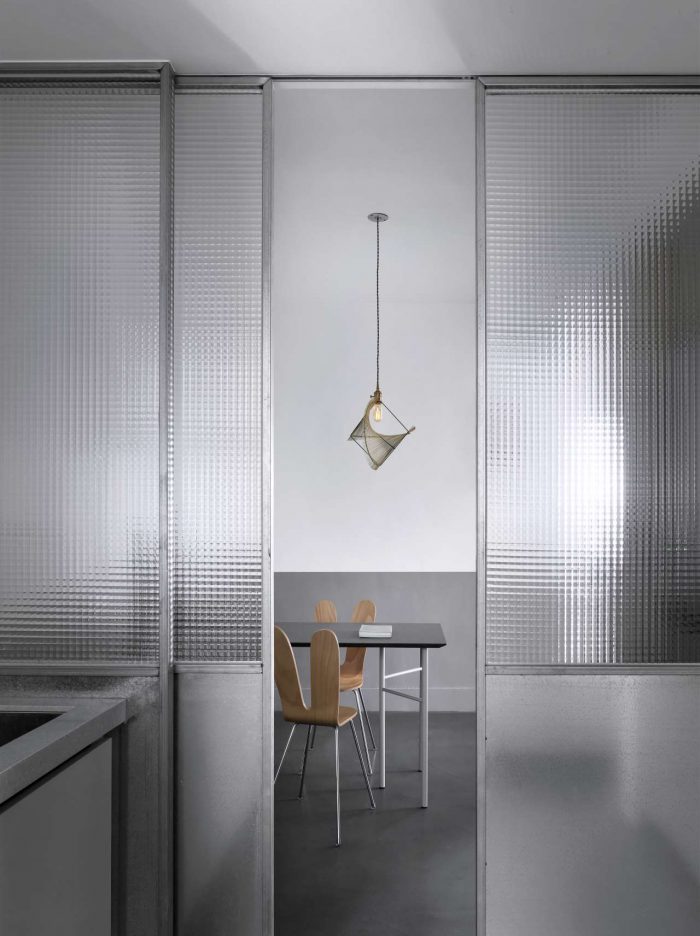
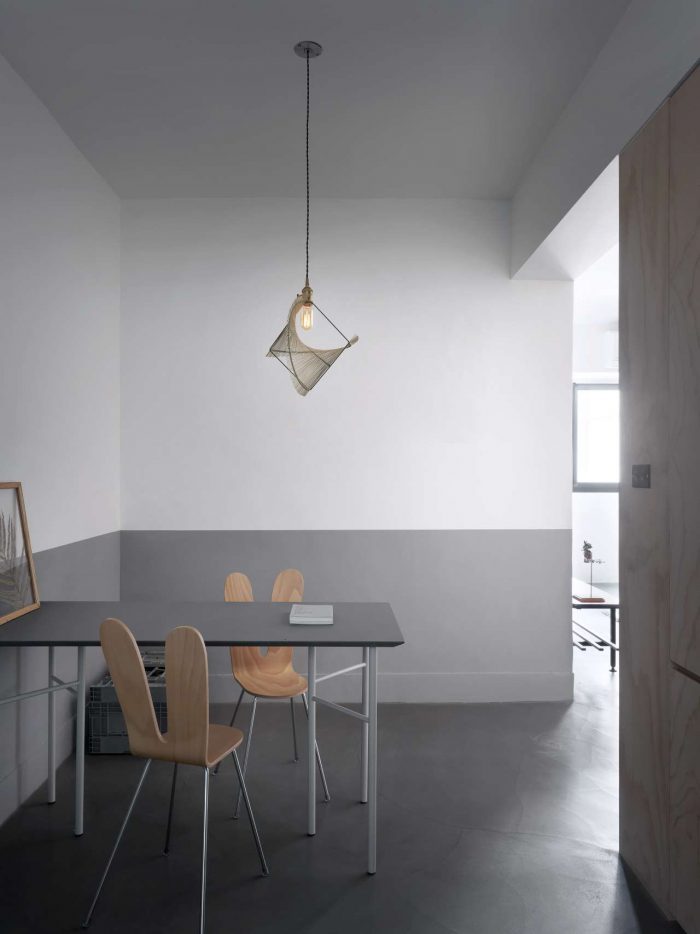
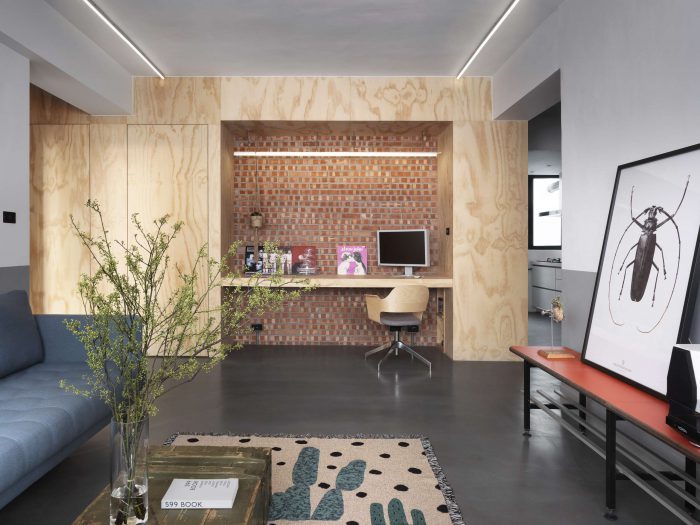
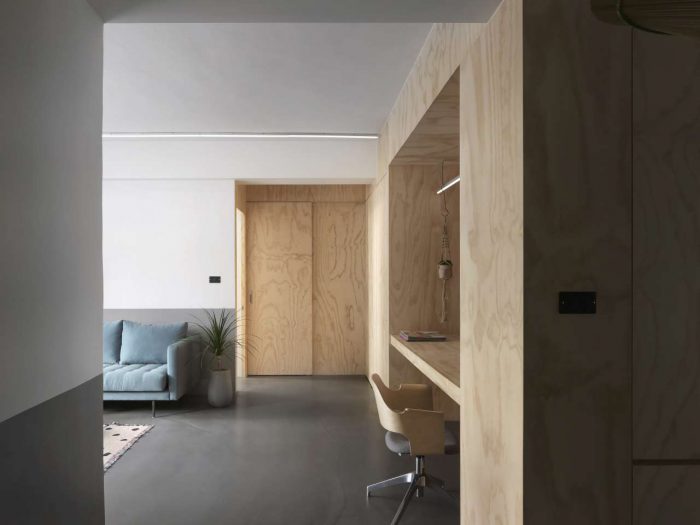
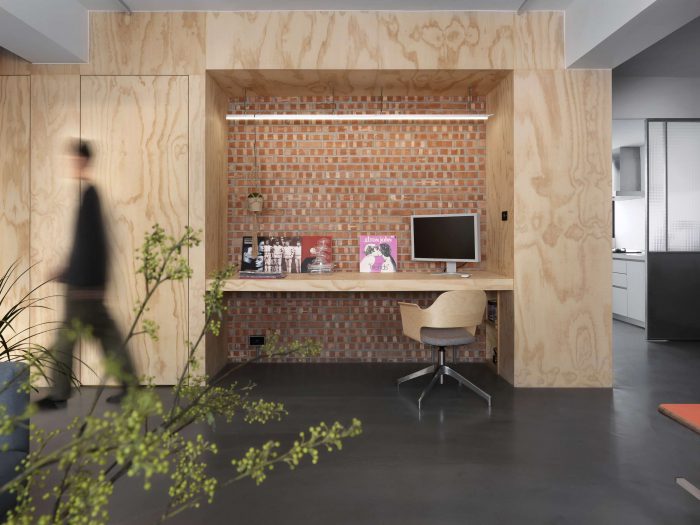
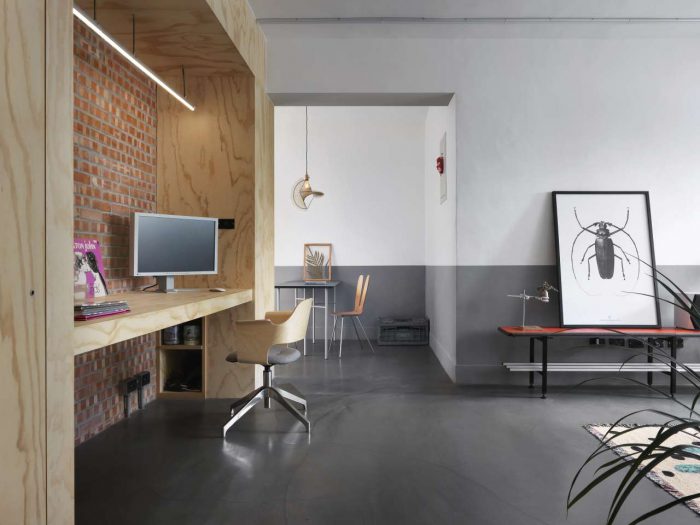
为了增强宽敞感,这是一个小型公寓的基本属性,设计师摒弃了装饰和多余的家具,这有利于简约线条和整洁空间的简约美学。出于同样的原因,移动门将厨房与开放式用餐生活区域分开,这样打开就会给人宽敞视觉。同时,即使在门滑动关闭时,自然光可过半透明玻璃的照亮用餐区。
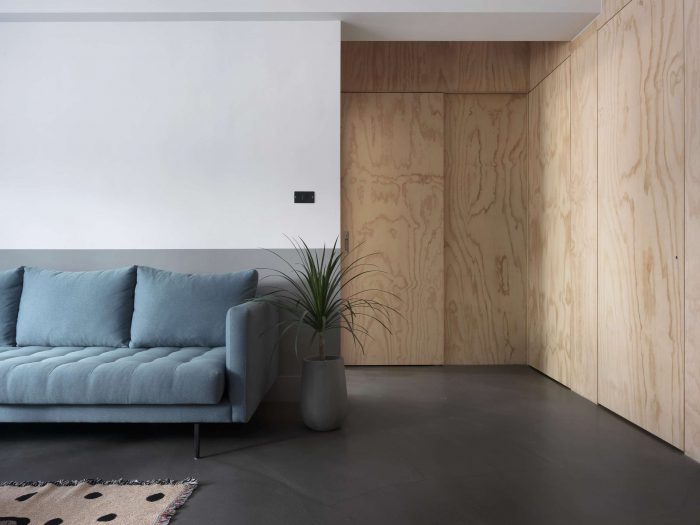
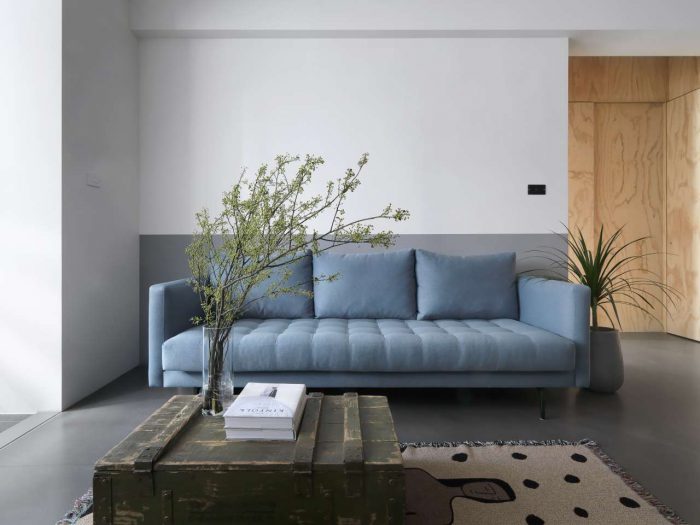
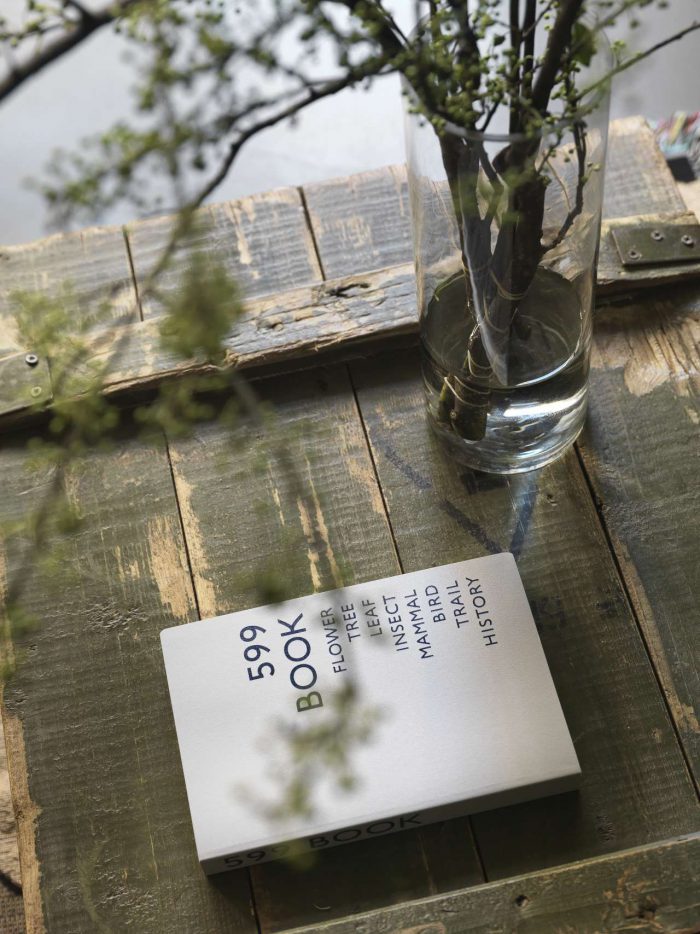
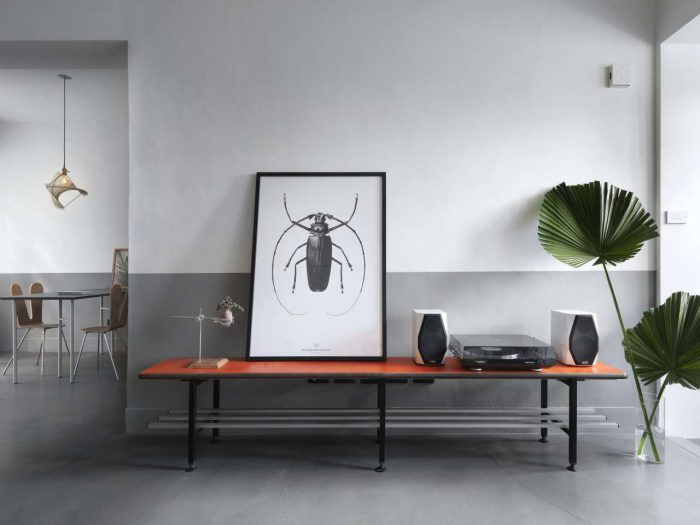
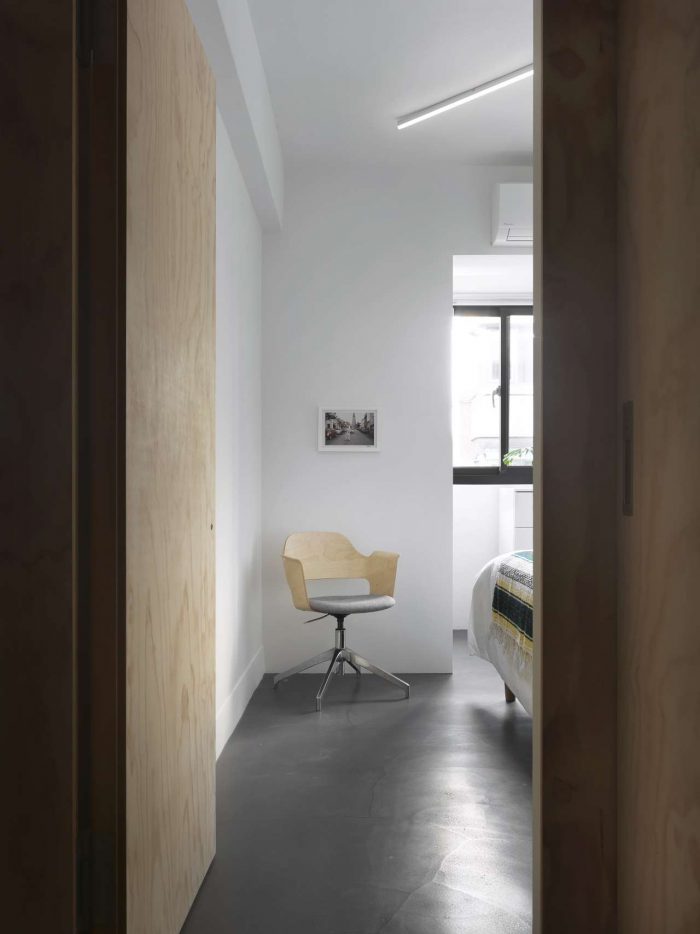
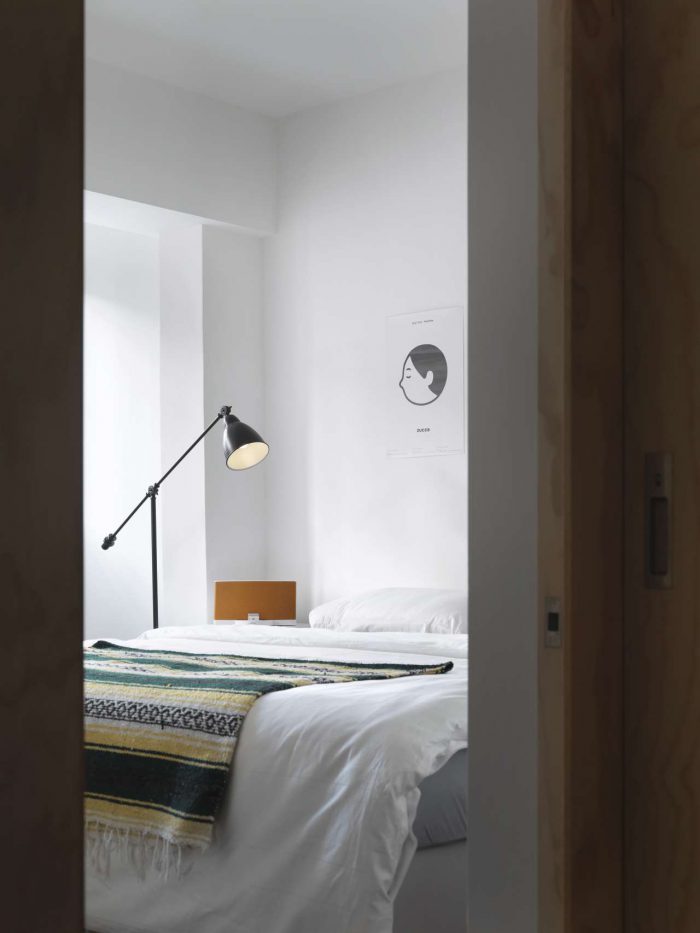
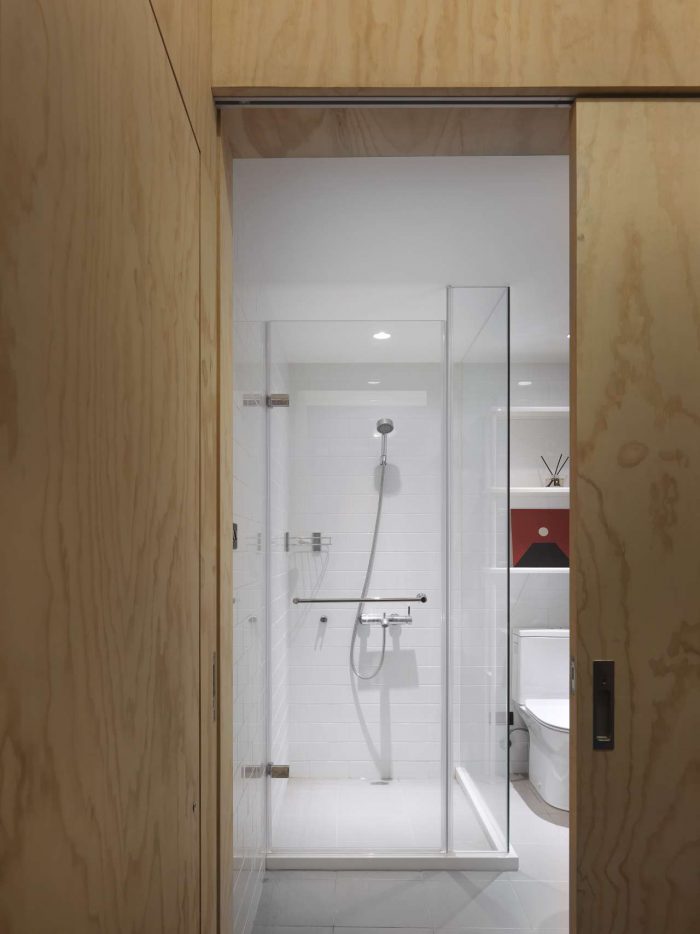
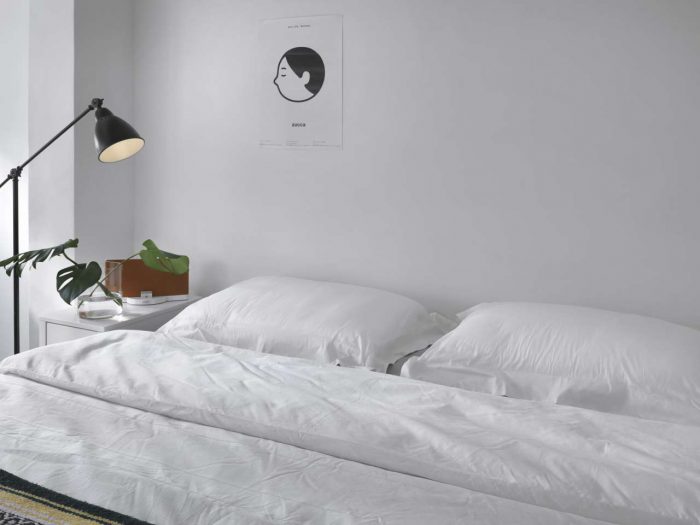
在与新主人协商后,所选材料参考了他长大的环境,从而赋予翻新的公寓一种熟悉感。白色和灰色的双色墙壁和水泥地板凸显了设计的简约,松木胶合板传达了熟悉的住宅氛围,而裸露的砖墙描绘了工作学习区域。选择的小型家具,如浅蓝色沙发,简约的红色控制台和用作咖啡桌的仿旧木箱,进一步突出了公寓的个性,同时又不破坏装饰的柔和氛围,实现了简约和个性且没有矛盾的概念。
In order to enhance the sense of spaciousness, an essential attribute for such a small-sized apartment, the designers have eschewed decorations and superfluous furnishings in favour of a minimalist aesthetic of simple lines and uncluttered spaces. For the same reason, sliding panels separate the kitchen from the open-plan dining living area allowing the two areas to be perceived as one when opened. Meanwhile, the use of translucent glass allows natural light from the kitchen windows to illuminate the dining area even when the doors are slid shut.
In consultation with the new owner the selected materials reference the environment he grew up in thus bestowing upon the renovated flat a sense of familiarity. White and grey two-toned walls and cement flooring brandish the design’s simplicity, pine plywood conveys a familiar residential atmosphere, while exposed brickwork delineates the study area. The small selection of furniture that has been chosen, such as the light blue sofa, the minimalist red console and the distressed wooden crate used as a coffee table, further accentuate the apartment’s personality without undermining the décor’s subdued ambience, proving that simplicity and character are not contradictory concepts in interior design.
Design studio: 2BOOKS SPACE DESIGN
Photography: Mariell Lind Hansen.
Project Name: WENG'S HOUSE
Location: TAIPEI CITY TAIWAN
Area (sqm): 83
Completed: 2018