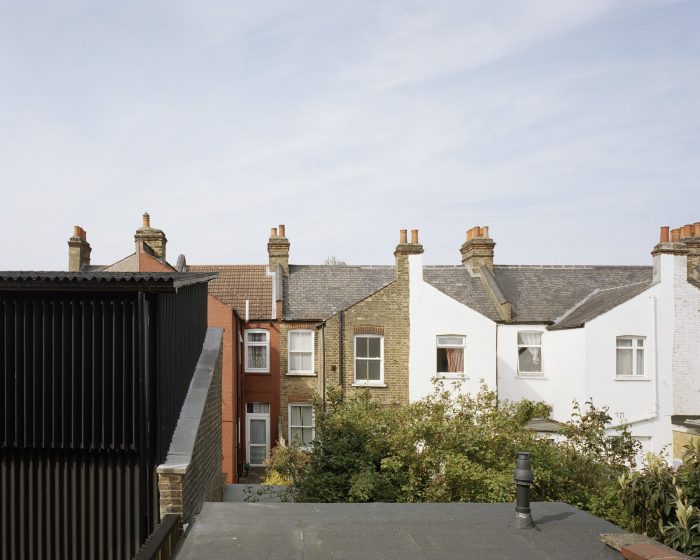
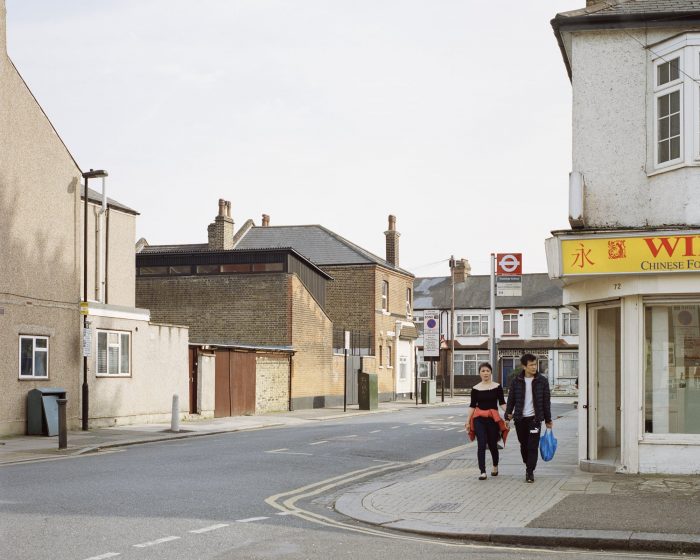
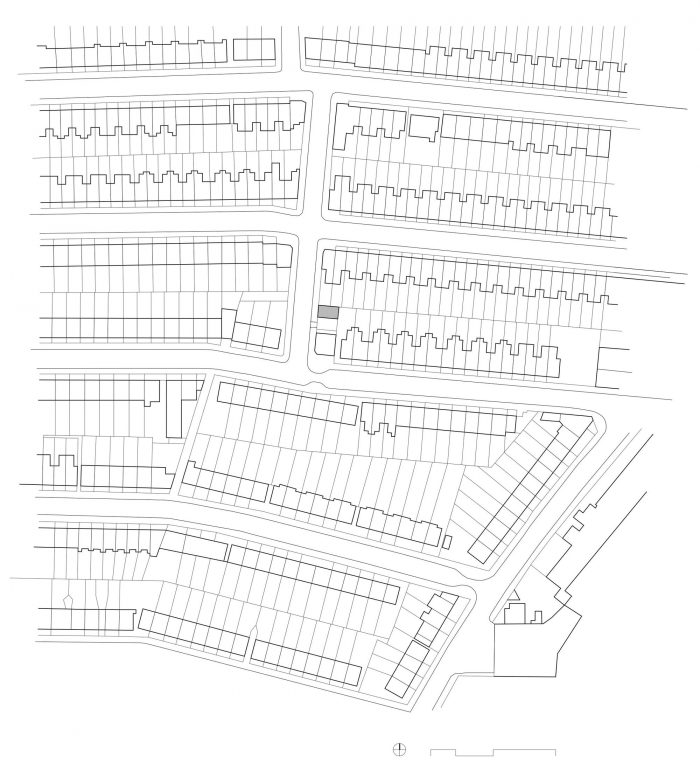
这个新的两居室住宅项目位于伦敦北部托特纳姆的温莎路。该地块位于一个多样化的住宅区内,由长长的梯形街道组成,两边是两层的维多利亚式和爱德华式房屋。
This project for a new two-bedroom house is located on Windsor Road in Tottenham, North London. The site is set within a diverse residential neighbourhood made up of long terraced streets lined with two-storey Victorian and Edwardian houses.
客户是一个小规模的私人开发商,于2017年6月购买了该场地。项目简介要求在不影响邻近房产的情况下,将现有的仓库和院子改造为住宅用途。考虑到当地的房地产价值和较小的占地面积,在有限的预算内最大化建筑围护结构是至关重要的。该项目在2018年取得了规划许可,并在2019年4月完工。
The client, a small-scale private developer purchased the site in June 2017. The brief called for an existing storage building and yard to be converted for residential use without compromising the adjacent property. Given local real estate values and the small footprint, maximising building envelope within a limited budget was critical. The project achieved planning permission in 2018 and was completed in April 2019.
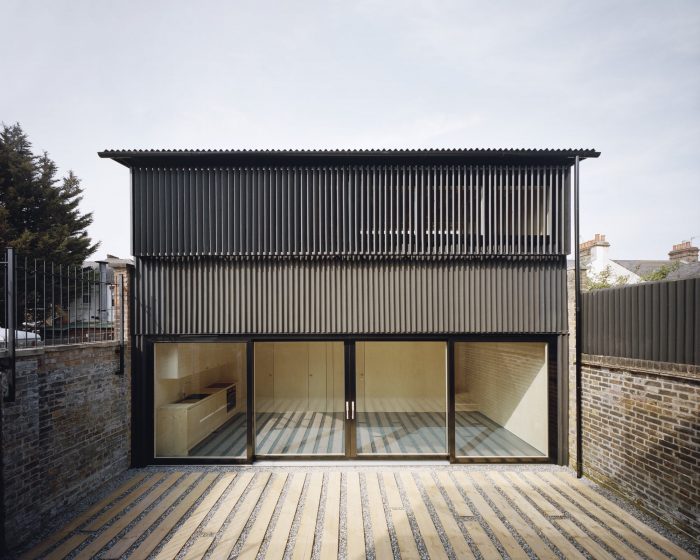
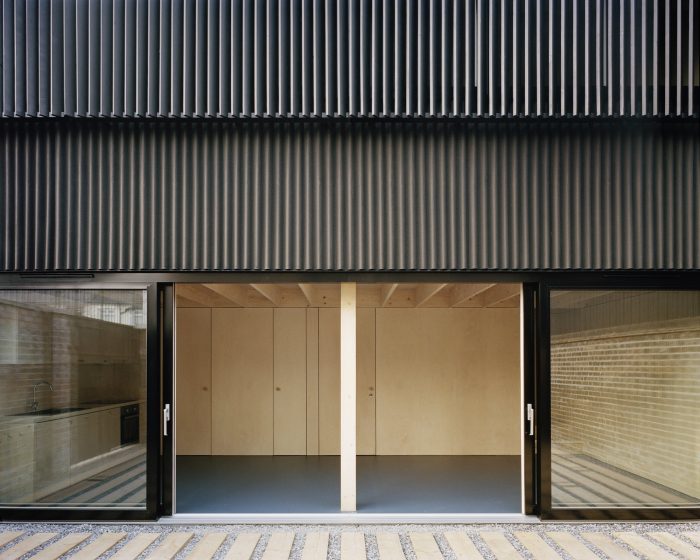
70平方米的场地位于Dowsett和Windsor路拐角处一个前维多利亚时代的啤酒零售商后面。单层的砖砌外墙最初是用来储存啤酒桶的,也作为马厩。后来,它成为独立于邻近的两层角楼的一个车间。
The 70 m2 site is located behind a former Victorian beer retailer on the corner of Dowsett and Windsor Road. The single-storey brick outbuilding was originally used to store beer barrels and also acted as stables. In later years it became a workshop independent of the adjacent two-storey corner building.
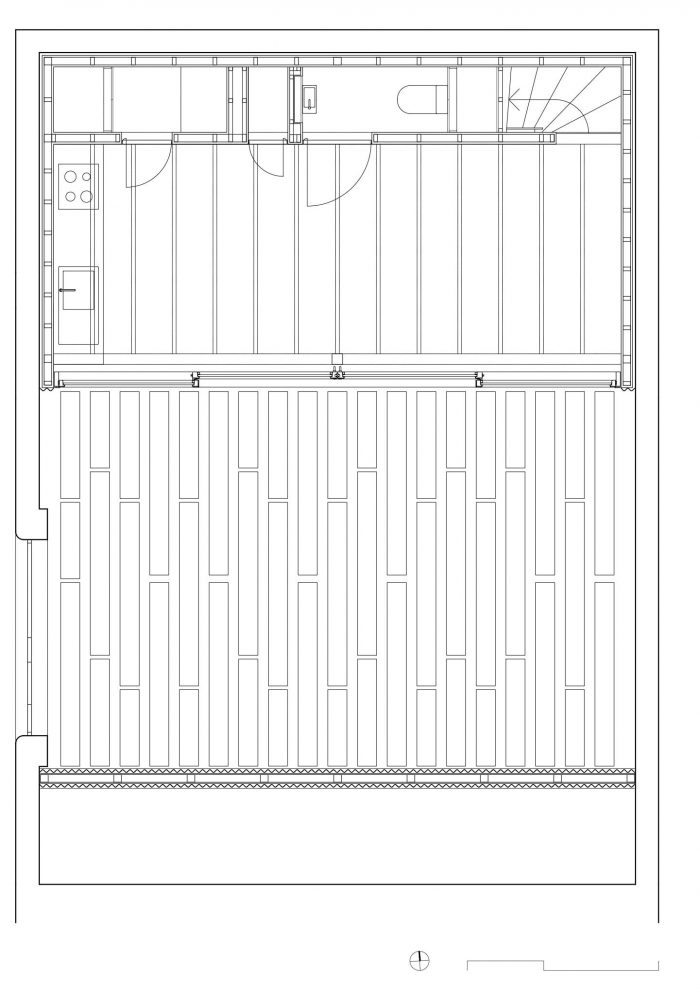
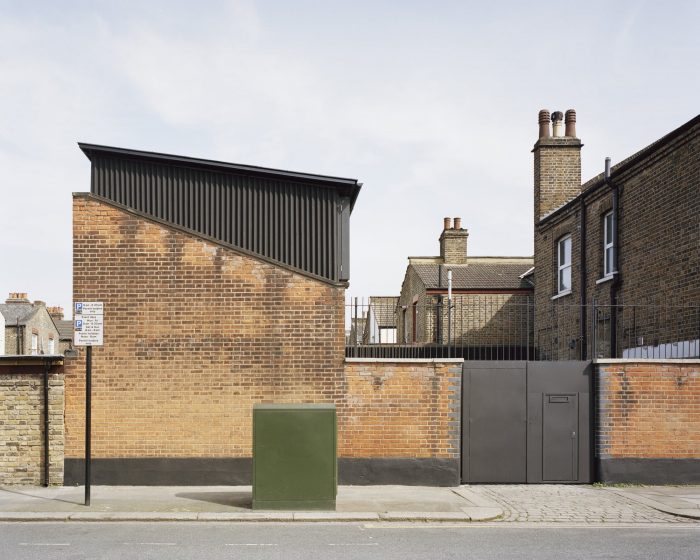
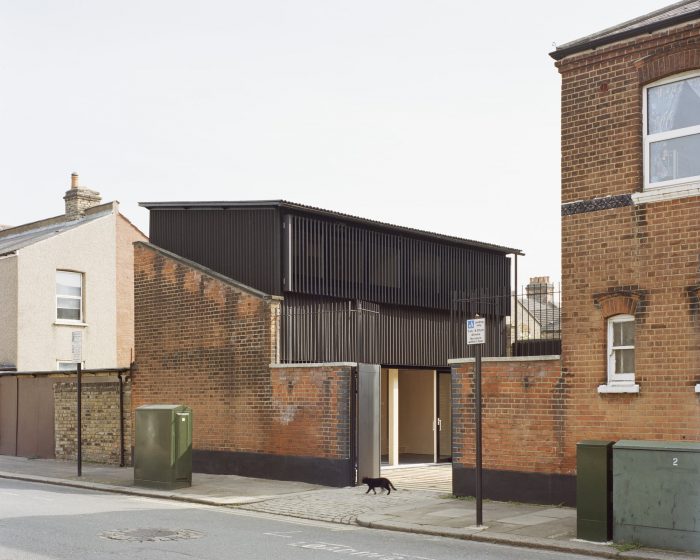
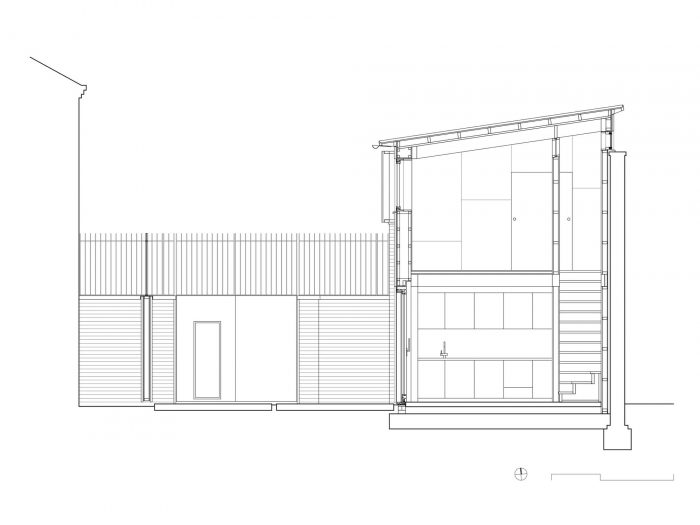
60平方米的房子坐落在外楼的砖墙内。利用现有的地基,新的两层木结构建筑在保留的砖墙之上升起。虽然新的形式松散地沿袭了维多利亚时代的轮廓,但新材料的选择使得现有建筑仍然清晰可辨,但仍然是项目的一个组成部分。
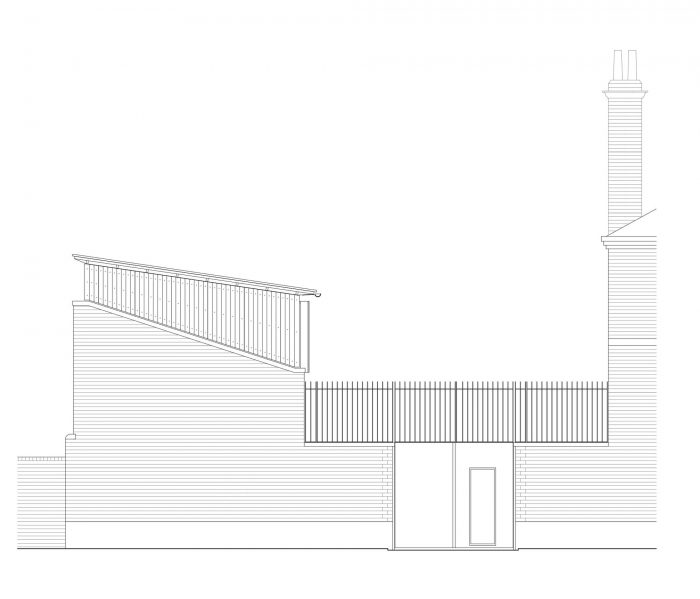
The 60 m2 house sits within the brick walls of the outbuilding. Using the existing foundations, the new two-storey, timber-framed building rises above the retained brick envelope. Whilst the new form loosely follows the profile of the Victorian predecessor, the choice of new materials allows the existing building to remain clearly legible but still an integral part of the project.
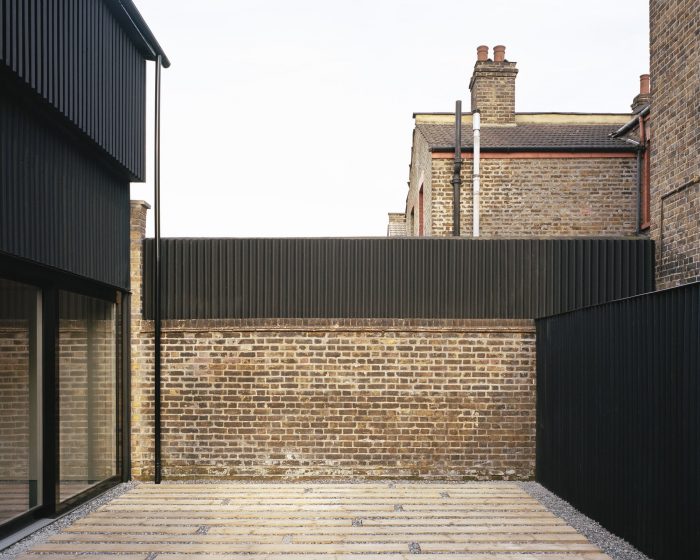
房子从温莎路直接进入,通过一个现有的鹅卵石入口和保留的黑色钢门。院子和建筑之间的关系得到了保持,40平方米的外部空间现在成为新房子的入口和私人庭院。
The house is accessed directly from Windsor Road, via an existing cobbled entrance and retained black steel gates. The relationship between the yard and building has been maintained and the 40 m2 exterior space now forms the entrance and private courtyard for the new house.
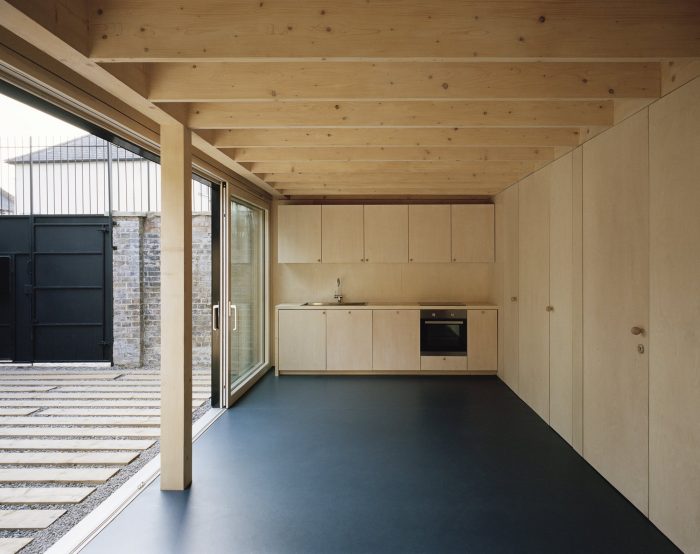
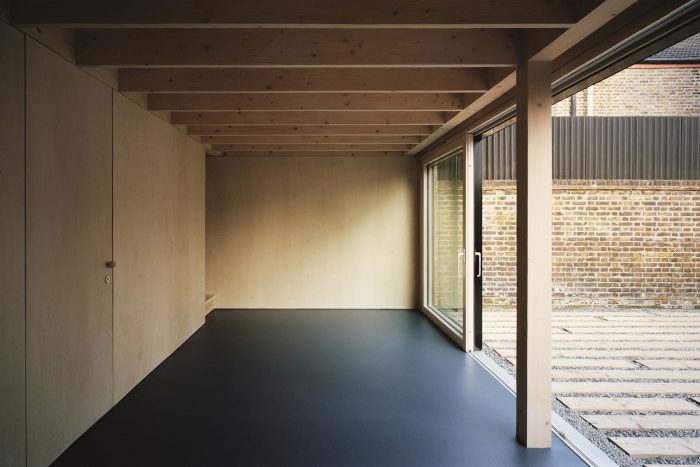
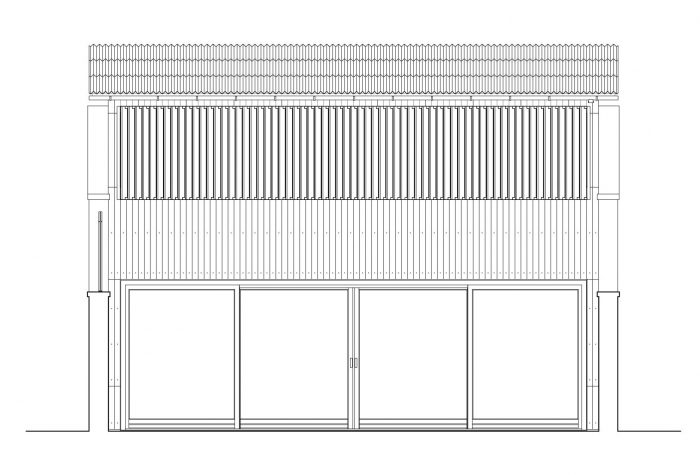
遵循现有建筑的足迹,房子自然地朝向南边的院子。在底层,全宽的玻璃推拉门将开放式的起居室、餐厅和厨房空间连接并延伸到私人庭院。楼梯、厕所、储藏室和洗衣房沿地面后墙布置,以最大限度地扩大朝南的开放生活空间。
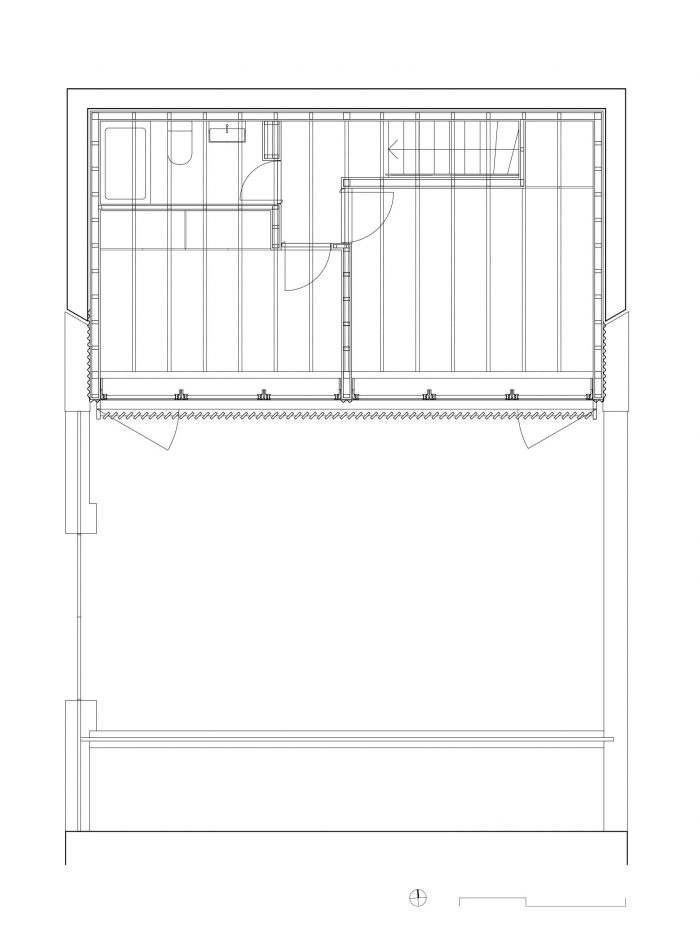
In following the footprint of the existing building, the house naturally orientates itself south towards the yard. At ground floor, full width glazed sliding doors link and extend the open plan living, dining and kitchen space to the private courtyard. The stairs, WC, storage and laundry are organised along the rear ground wall to maximise open living space towards the south aspect.
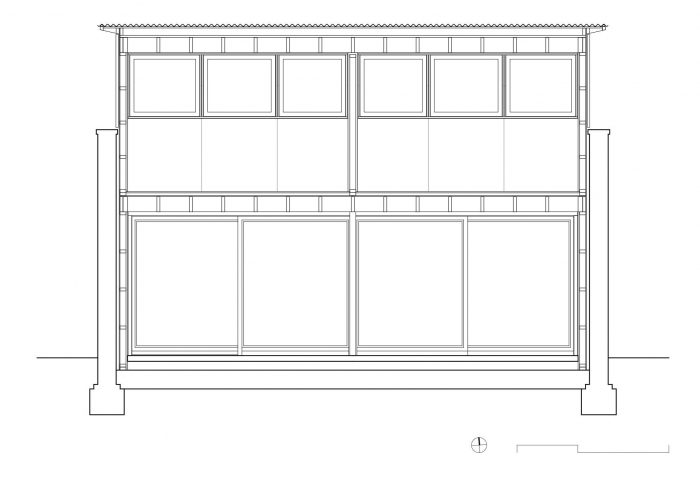
在一楼,两间卧室和一间浴室共享来自北面夹层窗户的自然光。沿着南面连续的可完全打开的窗户为卧室提供了自然光和通风,而有角度的木制百叶窗创造了隐私,并防止从邻近的物业俯瞰。
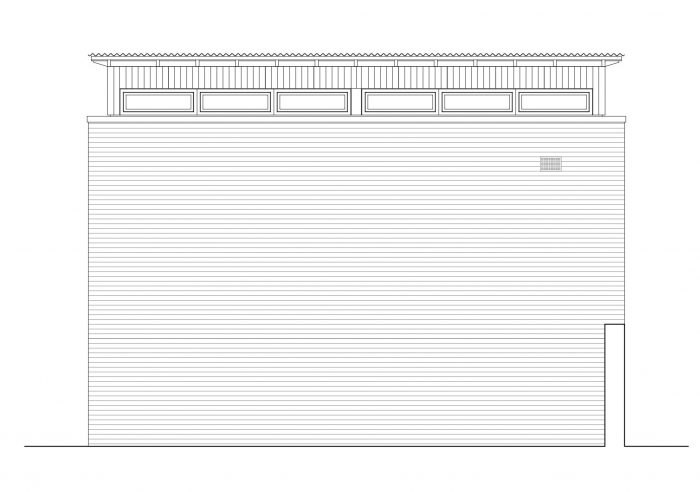
At first floor, two bedrooms and a bathroom share natural light from clerestory windows to the north. A continuous ribbon of fully openable windows along the south provides bedrooms with natural light and ventilation, while angled timber louvres create privacy and prevent overlooking from neighbouring properties.
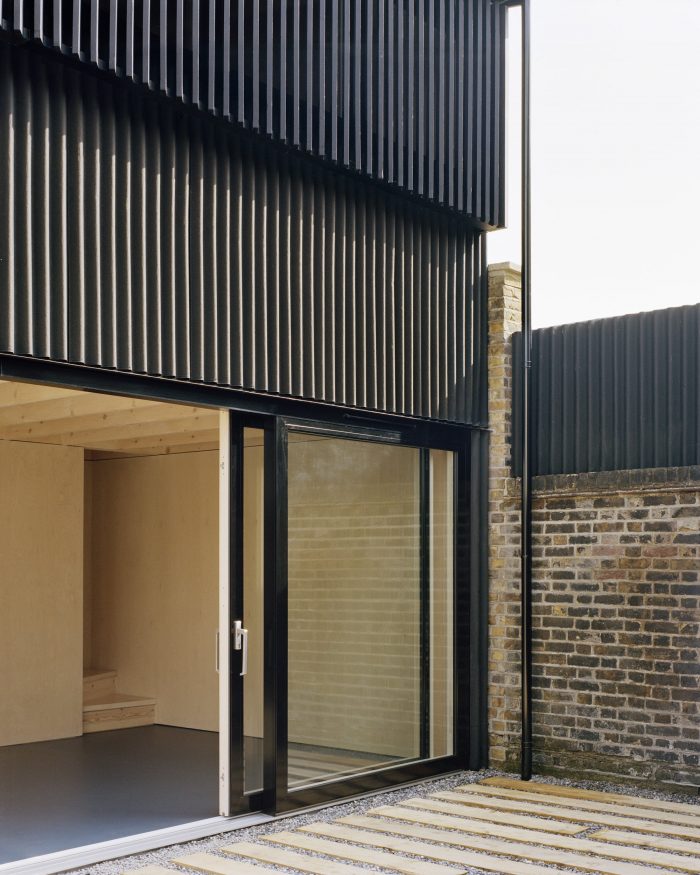
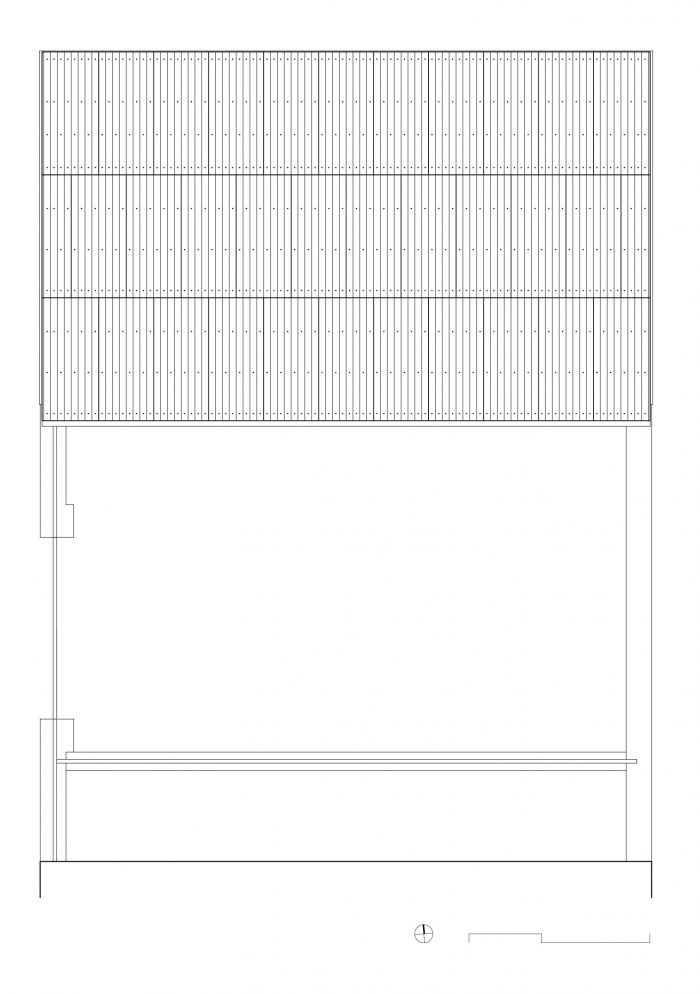
该地块呈现出一种非典型的城市状况,而该设计试图拥抱这种状况。新建筑和现有的砖块结构之间存在着区别,也存在着外部和内部表达的对比。新的外墙和屋顶是由浸在沥青中的波纹纤维素板覆盖的。哑光黑色的外墙色调、波纹板、薄薄的屋顶线和简单的细节都是为了向该地的原始遗产致敬。
The site presents an atypical urban condition that the design seeks to embrace. There is a distinction between the new building and the existing brick structure, and a contrast between the expression of outside and in. The new external walls and roof are clad in corrugated cellulose sheets, dipped in bitumen. The matt black exterior palette, corrugated sheets, thin roofline and simple detail nod to the site’s original heritage.
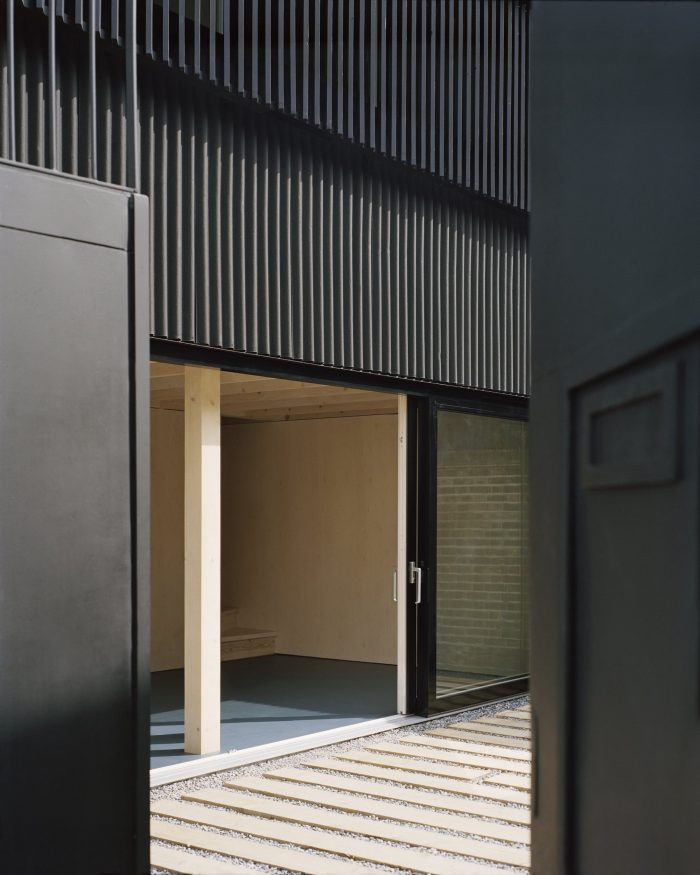
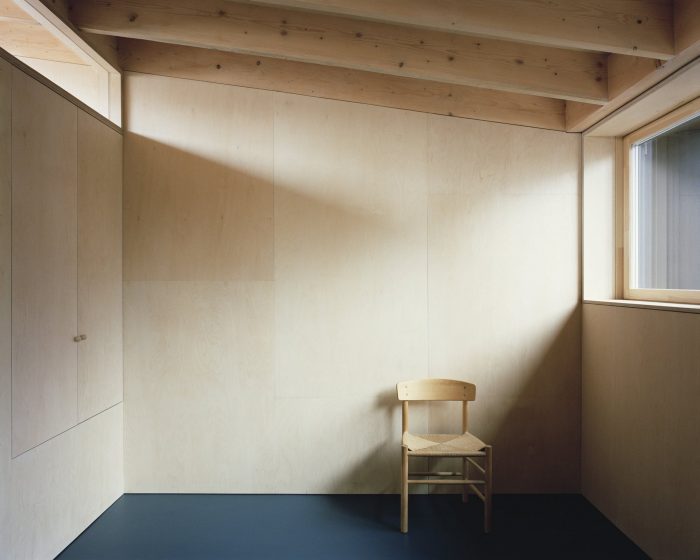
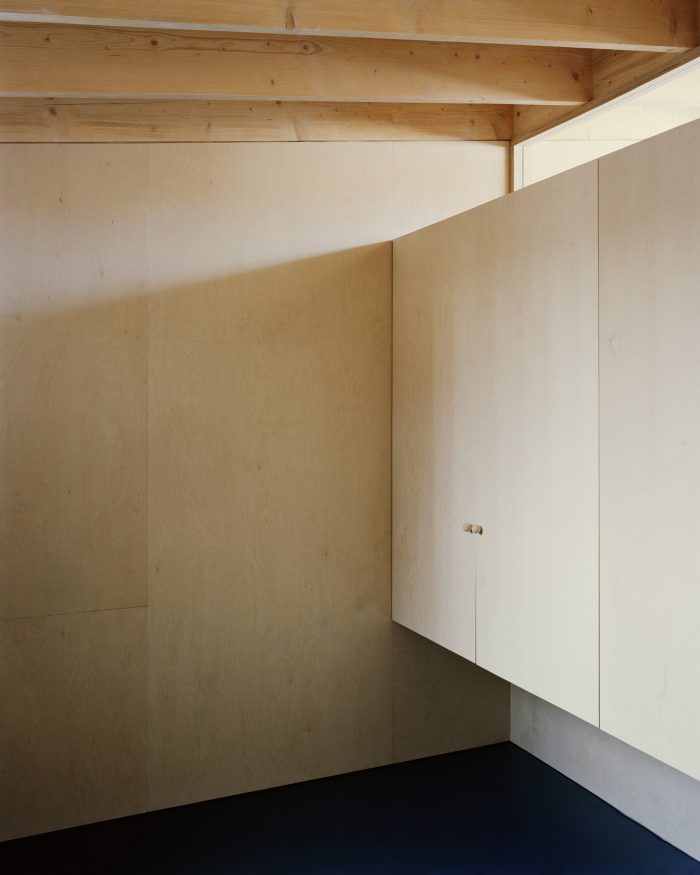
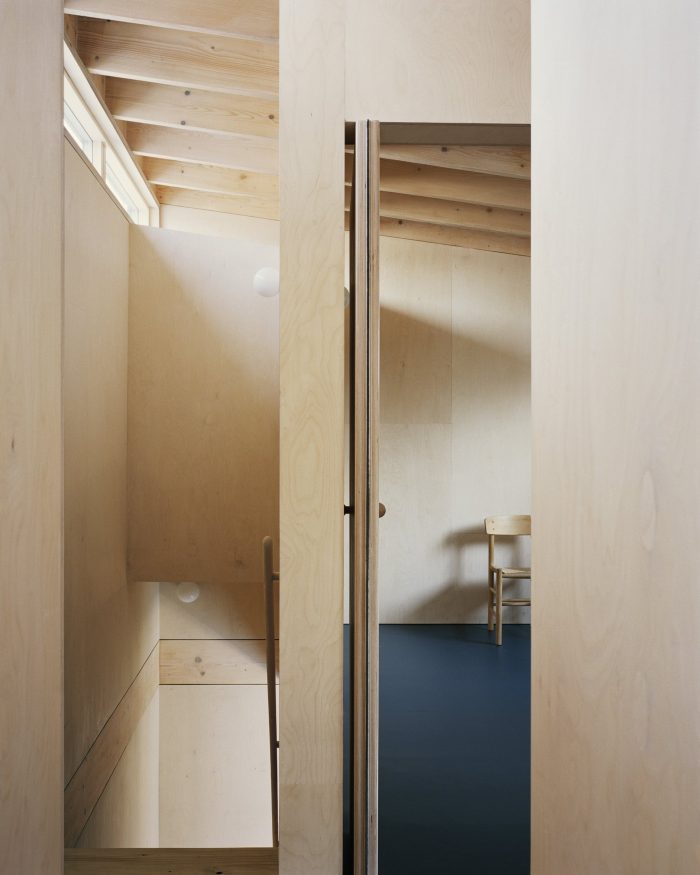
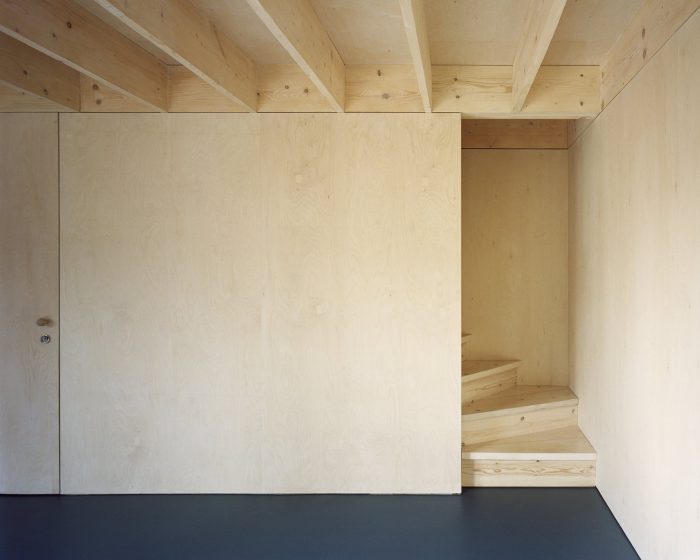
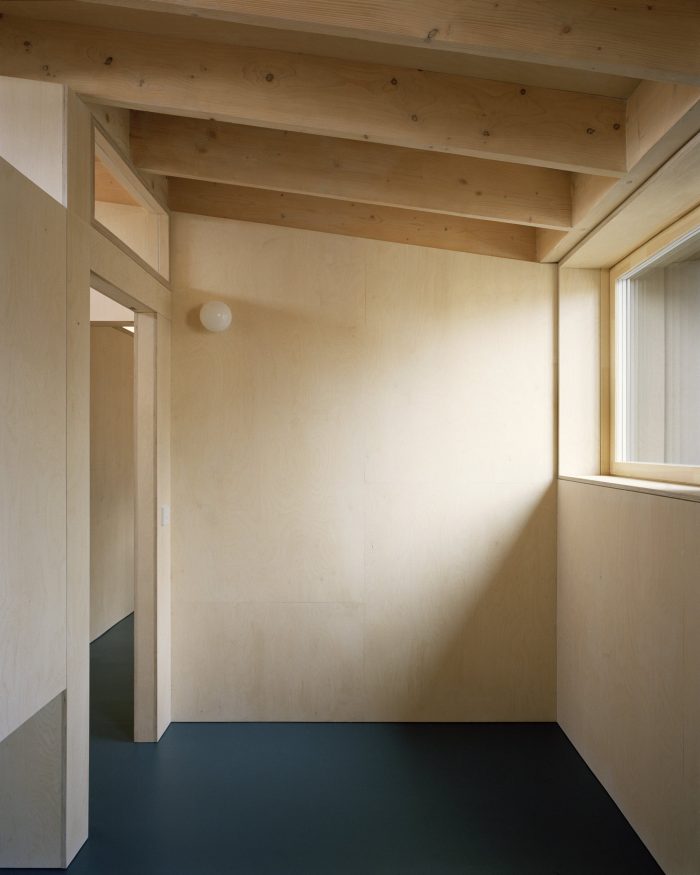
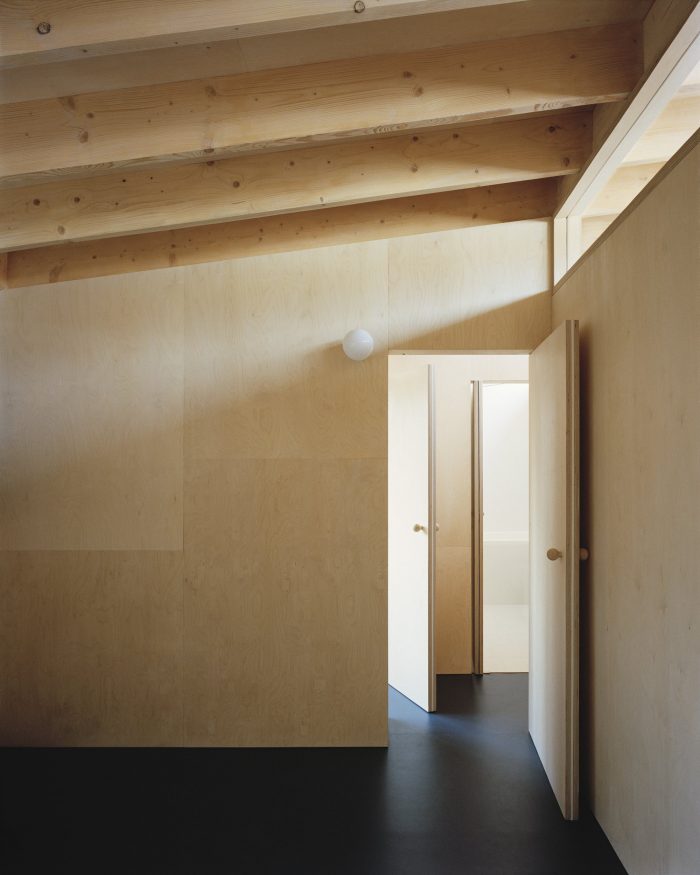
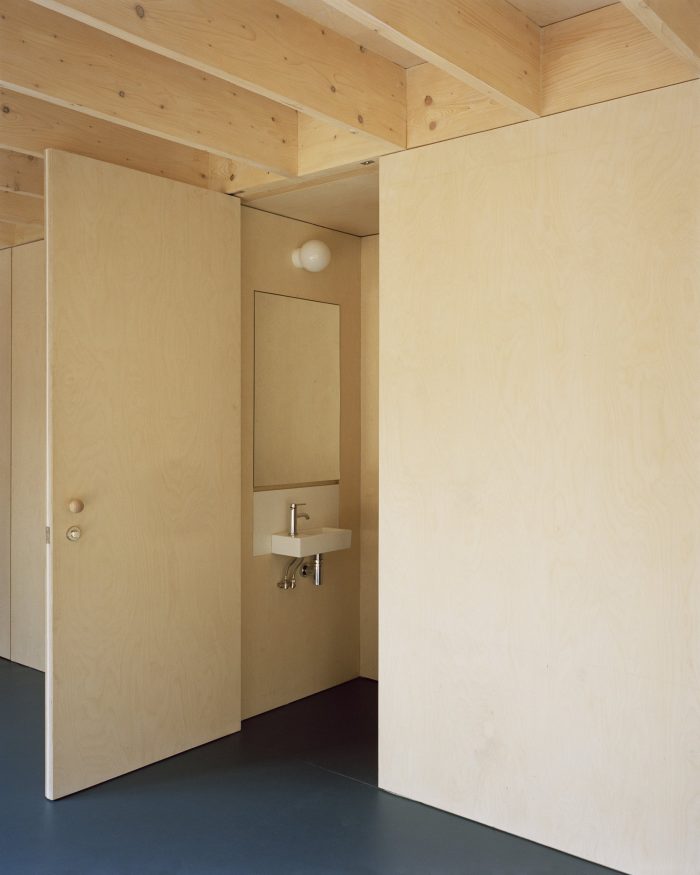
在内部,用于地板和屋顶结构的裸露的结构松木部分由北向南走向庭院。所有的檐口、内墙、橱柜和门都是在现场使用桦木板制作的。手工转动的木制门把手在简单的结构中引入了精致的层次。白色油洗板的表面创造了一种与外部对比的温和的室内氛围。
Internally, exposed structural pine sections used for the floor and roof structure run north-south towards the courtyard. All soffits, internal walls, cabinetry and doors were fabricated on site using sheets of birch ply. Hand turned timber doorknobs introduce a level of delicacy within the straightforward construction. The white oil washed ply surfaces create a gentler interior atmosphere in contrast to the exterior.
该项目被设计为使用现成的、可从当地木材场和建筑商那里获得的现成材料来建造。一个小规模的当地承包商被指定进行所有的工作,这种唯一的责任鼓励了对经济的关心和关注,同时保持了工艺质量的一致性。除了门窗之外,所有的建筑元素都是在现场制作的,使用现有的院子作为车间。
The project was designed to be built using readily available, off-the- shelf materials that could be sourced from local timber yards and builders’ merchants. A small-scale local contractor was appointed to carry out all works and this sole responsibility encouraged a level of care and concern for economy, whilst maintaining consistency in the quality of craftsmanship. With the exception of the fenestration, all building elements were fabricated on site using the existing yard as a workshop.
除了温莎路,Russell Jones目前正在与同一客户合作,在伦敦进行一些类似的后方项目,探索这些场地的潜力,同时努力为伦敦不断增长的住房存量做出积极的建筑和可持续的贡献。
In addition to Windsor Road, Russell Jones is currently working with the same client on a number of similar backland projects in London, exploring the potential for such sites whilst endeavouring to make a positive architectural and sustainable contribution to London’s growing housing stock.
Architects: Russell Jones
Area : 60 m²
Year : 2019
Photographs :Rory Gardiner
Quantity Surveyor : Consultancy 31, Philip Vacher
Main Contractor : TAD Builders, Tomasz Raczynski
Structural Design : Techniker, Mathew Wells
Design Team : Russell Jones, Hannah Guy, Joseph Little
Building Control : Haringey Building Control
Country : United Kingdom